Planting trees in an urban area may look…
Miyawaki Method Forest: Exploring Multi-Layer Forests
What Is a Multi-Layer Forest Structure?
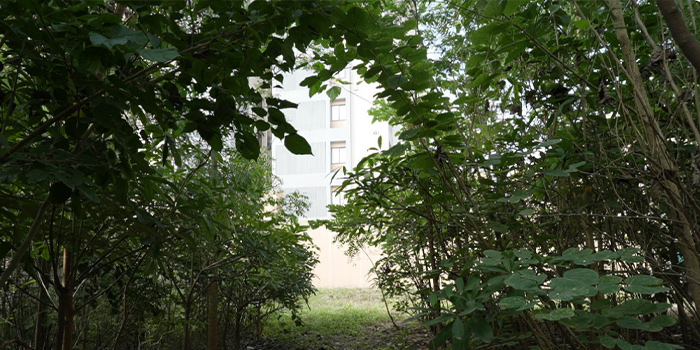
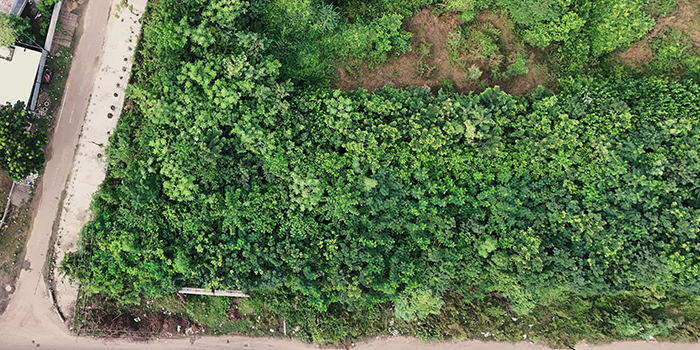
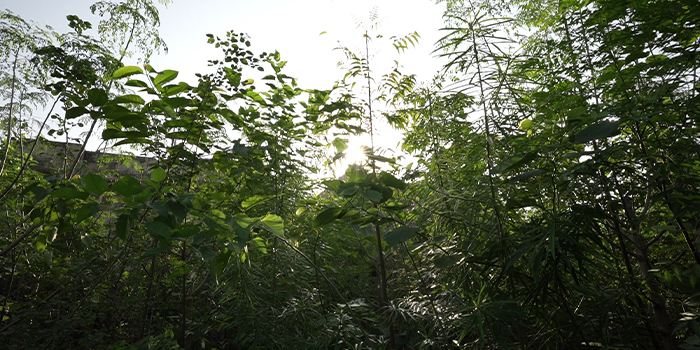
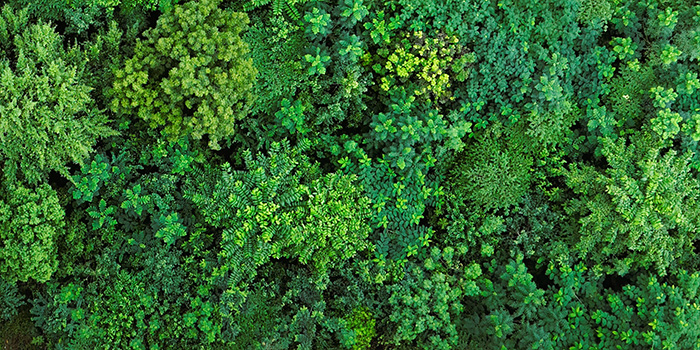
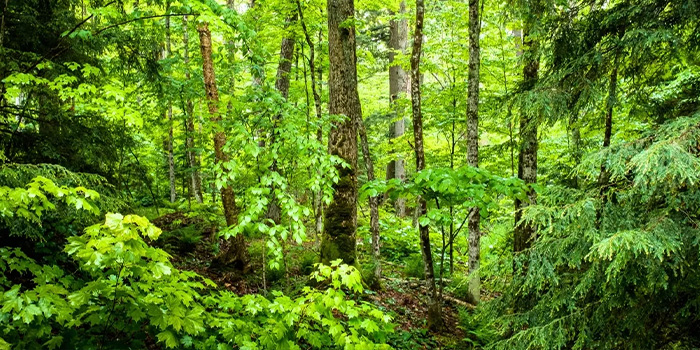
A Miyawaki method forest tries to create a similar layered arrangement within a planned plantation. Instead of looking at a site as an area where trees need to be placed in rows, the planting plan considers how different plants will occupy different heights as they grow. The result can be a compact urban forest with a richer structure and greater variation from the ground to the top of the canopy.
This vertical arrangement is what makes the concept different from a simple plantation. The forest is planned as a collection of connected layers, where every group of plants has a place within the overall structure.
Why Does Forest Layering Matter?
A forest does not use space only from side to side. It also uses the space above the ground. A tall tree may occupy the upper part of the site, while shrubs and smaller plants use the space below it. This allows several types of vegetation to exist within the same area.
For a Miyawaki method forest, this way of thinking is particularly useful. Plants with different heights, forms and growth patterns can be brought together to create a fuller structure. As the plants mature, the appearance of the site changes from a group of young saplings into a more connected green environment.
Layering can also make an urban forest visually richer. Instead of seeing the same height of vegetation throughout a site, people can see different levels of greenery developing together. This makes forest structure an important part of both ecological planning and the appearance of a green space.
The Four Main Layers of a Miyawaki Forest
1. Canopy Layer
The canopy is the highest part of the forest. It is formed by trees that eventually become taller than most other plants on the site.
This layer receives strong sunlight and creates shade below. As the trees grow, their branches can begin to connect and form a continuous upper cover. The canopy also gives the forest its overall height and character.
In designing a miyawaki forest method, species selected for the upper layer should have enough room to grow to the full size that can be expected. This does not mean selecting the tallest species; rather, it means understanding their relationship to the layers beneath them.
2. Understory Layer
The understory sits below the main canopy. It may contain smaller trees that do not reach the same height as the dominant canopy species.
This layer gives the forest more depth. It also creates areas where filtered sunlight reaches plants instead of the strong direct sunlight found above the canopy.
In a dense urban forest, the understory can fill spaces that would otherwise remain visually and ecologically empty. Different leaf shapes, branch patterns and growth habits also add variety to the forest.
3. Shrub Layer
The shrub layer is found in the area which is relatively nearer to the ground. Despite being shorter than the trees, shrubs are capable of providing dense vegetation cover.
The shrubs can also flower, bear fruit, or even seeds during different seasons in a year.
The shrub layer also helps make the transition between taller vegetation and the ground more natural. Without this middle level, a plantation can look more open and less like a developing forest.
4. Ground Layer
The ground layer contains small plants and vegetation that grow close to the soil. It is the lowest visible part of the forest structure, but it should not be treated as unimportant.
This layer can cover exposed soil and add another level of plant diversity. Fallen leaves and natural plant material can also become part of the forest floor as the site matures.
The ground layer completes the vertical structure of the miyawaki method forest, connecting the vegetation above with the soil below.
How Different Layers Grow Together
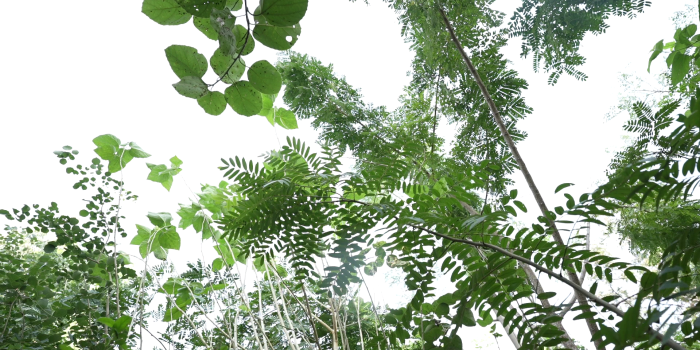
The four layers do not develop separately. They influence one another as the forest grows.
Young trees may initially appear similar in height, but growth differences become clearer over time. Some species move quickly toward the upper layer, others remain shorter, while shrubs and smaller plants occupy the spaces underneath.
This is where fast growing trees can have a role. They may develop early and help establish upper vegetation, while slower-growing species continue developing around them. The final structure should not be judged by how quickly one plant grows, but by how well the different plants eventually fit together.
The forest therefore changes continuously. Its structure in the first year will look very different from its structure several years later.
Tree Density and the Space Between Layers
Tree density is often discussed as the number of plants placed within a particular area, but in a multi-layer forest it also affects how the vertical structure develops.
When the plantings are close together, the crowns, the branches and foliage of those plantings will eventually come to occupy more of that space. In addition, consideration must be given to the dimensions of the different plant species.
This is not a matter of equal crowding of the layers. It involves arranging things such that different plant species occupy different layers. For example, a tall tree, a small tree and a shrub can occupy the same space but in different layers.
This makes tree density a planning decision rather than simply a number. The expected mature structure should be considered from the beginning.
Choosing Plants for Different Forest Levels
A multi-layer plantation needs more than a list of tree names. Each plant should have a reason for being included.
Some species may be suitable for the upper canopy, while others are better suited to the understory or shrub layer. Ground plants can complete the lower level. When these choices are made together, the plantation has a clearer structure from the start.
Native species can be especially useful when they are suitable for the local conditions. Their characteristics, expected height, growth pattern and relationship with the surrounding environment can all be considered while designing the planting mix.
This approach can also strengthen biodiversity because different plant types create different physical conditions within the same forest.
How Soil Conditions Influence Forest Layers
The visible layers of a forest begin with what happens below the surface. If roots cannot establish properly, the upper structure cannot develop as planned.
This is why soil restoration can be considered during site preparation, particularly where land has been heavily disturbed. Improving soil structure and organic content can create better conditions for root development.
Different plants also develop different root systems. Over time, roots occupy various parts of the soil, just as branches and leaves occupy different levels above it.
The result is a relationship between the underground and above-ground structure. A well-developed forest has layers not only in its vegetation but also within the soil.
Multi-Layer Structure and Biodiversity
A forest with only one dominant vegetation level offers fewer structural variations than one containing trees, shrubs and ground plants.
This is one reason biodiversity fits naturally into the multi-layer concept. Different plants can create different spaces for insects, birds and other organisms. A bird may use the upper branches, while insects may depend on flowering shrubs or vegetation closer to the ground.
The greater variety in structure can therefore create more opportunities for life to use the space.
A Miyawaki method forest designed with several suitable plant layers can gradually develop into a more complex ecosystem rather than remaining a uniform plantation.
Bringing Multi-Layer Forests Into Urban Landscapes
A forest does not have to be separated from the surrounding built environment. It can become part of a larger landscape that includes buildings, walkways, open areas and existing vegetation.
The important point is to allow the forest structure to remain the main ecological feature rather than reducing it to decorative planting.
For example, a corporate campus could use one section of land for a dense multi-layer forest while keeping pathways around it. Educational spaces, seating or viewing points can be planned outside sensitive planting areas.
Good landscape planning can therefore help people experience the forest without disturbing the way its layers develop.
Multi-Layer Forests as Corporate Green Assets
The structure of a forest can also make environmental projects more meaningful for organizations. Instead of creating a plantation where every tree looks similar, companies can develop a space with visible changes in height, density and plant form.
Such a project can become part of corporate social responsibility CSR activities while also improving the character of the property.
The changing layers give employees and visitors something they can observe over time. Young plants gradually become taller vegetation, shrubs fill lower areas, and the canopy begins to develop.
This makes the forest a continuing project rather than an activity that ends when planting is completed.
Can Multi-Layer Forests Contribute to Carbon Offset?
A multi-layer forest contains vegetation at several levels, so carbon is stored through the growth of trees and other plants. As biomass increases, the amount of carbon held by the vegetation can also increase.
This makes such projects relevant to carbon offset discussions. However, the existence of a forest does not by itself make it a verified carbon-offset project.
If an organization wants to use a plantation for formal carbon offset purposes, the project needs to meet the requirements of the applicable standard or methodology. Measurement, monitoring and verification are important parts of that process.
Therefore, carbon should be treated as one possible outcome of a well-developed forest, not the sole reason for creating a multi-layer ecosystem.
Key Features of a Multi-Layer Miyawaki Forest
1.Different Plant Heights
Tall trees, smaller trees, shrubs and ground plants occupy different vertical positions, creating a complete forest profile.
2.Layer-Based Plant Selection
Plants are selected according to their expected height, growth habit and role within the forest rather than simply being placed together.
3.Dense but Planned Growth
Suitable tree density helps create connected vegetation while allowing plants to develop according to their characteristics.
4.Changing Forest Appearance
The structure changes as plants grow. The forest seen shortly after planting will look very different as the canopy and lower layers develop.
5.Greater Plant Variety
Different layers can contain different species, supporting biodiversity and creating more varied vegetation.
6.Connection Between Soil and Vegetation
Soil restoration and proper ground preparation provide the base from which the different layers can develop.
7.Integration With Surroundings
The forest can become part of the wider landscape without losing its natural layered structure.
Benefits of Understanding Multi-Layer Forest Structure
1.Makes Better Use of Vertical Space
Instead of using land only at ground level, plants can occupy different heights and create a fuller green structure.
2.Creates a More Natural Forest Form
The combination of canopy, understory, shrubs and ground vegetation gives the plantation a structure closer to a natural forest.
3.Supports Plant Diversity
Different layers allow more types of plants to grow together, which can contribute to stronger biodiversity.
4.Provides Varied Habitat Conditions
Different heights and vegetation forms can create spaces that are useful for birds, insects and other organisms.
5.Improves Urban Green Design
A layered forest can add depth and variation to an urban forest and make it a more interesting part of the surrounding landscape.
6.Helps Plan Long-Term Growth
Understanding how plants will change height and spread over time makes it easier to plan afforestation projects for their mature stage.
7.Adds Value to Corporate Green Projects
A multi-layer forest can become a visible environmental asset within corporate social responsibility CSR programs.
Harmony Urban Forest: Creating Mini Forests for Greener Urban Spaces
At Harmony Urban Forest, we see that any tiny plot of urban land can become a source of developing an urban forest. Our concept of the Miyawaki technique is based on analyzing the location, soil regeneration, choosing the right native species and planting them with proper density. By planting canopy trees, understory, shrubs, and ground vegetation together, we want to create rich green areas with various ecosystems. Moreover, these forests can become a part of corporate CSR activities and urban afforestation projects. Also, such mini-forests can help achieve some other environmental goals, for example, carbon storage. Instead of judging the success of the project by the number of planted trees, Harmony Urban Forest aims at making living forests capable of further growth and development.
Conclusion
A forest is not flat. It develops upward, with different plants occupying different levels from the soil to the canopy. Understanding this simple idea can change the way a Miyawaki method forest is planned.
The canopy, understory, shrub and ground layers each have their own place. Their combination creates a fuller structure where plants can grow together and where biodiversity can develop naturally. Tree density, plant selection, fast growing trees, soil conditions and long-term growth all influence how these layers take shape.
For urban projects, this approach can turn limited land into a structured urban forest rather than a simple plantation. It can also fit into a wider landscape, support afforestation goals and provide organizations with meaningful environmental spaces through corporate social responsibility CSR initiatives.
The value of a multi-layer forest is therefore not only in how many trees are planted. It is in how those plants occupy space, grow together and gradually form a living system above and below the ground.
FAQs
1. What is a multi-layer forest structure in a Miyawaki method forest?
A multi-layer forest structure indicates that plants have various heights and hence constitute several natural layers within the same forest. Trees are found at higher layers while shorter plants, shrubs, herbs, and ground-level plants are located on the lower layers. This is useful in making efficient use of vertical spaces when creating a forest through the Miyawaki approach.
2. What are the main layers found in a Miyawaki method forest?
A typical Miyawaki method forest can include a canopy layer, understory layer, shrub layer, and ground layer. Each level contains plants with different growth habits and heights. Together, these layers create a connected vegetation structure where plants occupy different spaces instead of competing for exactly the same growing area.
3. How does tree density affect multi-layer forest development?
Tree density influences how plants grow and interact within a forest. When species are carefully arranged according to their expected height and growth pattern, the available vertical space can be used more effectively. Proper planning allows different layers to develop together while maintaining diversity and supporting the overall structure of the urban forest.
4. Why are different plant heights important in a forest?
Different plant heights help create a more varied forest environment. Taller trees occupy the upper space, medium-sized plants develop below them, and smaller vegetation covers the lower area. This layered arrangement gives the landscape greater structural variety and can provide different conditions for birds, insects, and other organisms.
5. Do fast growing trees always form the top layer?
Not necessarily. Fast growing trees can establish upper vegetation relatively quickly, but the final structure depends on the complete plant selection and the natural growth characteristics of each species. A well-planned Miyawaki method forest combines plants with different heights, growth rates, and ecological roles rather than relying only on fast growing trees.
6. How does biodiversity support a multi-layer forest?
Biodiversity brings together plant species with different sizes, forms, and growth patterns. This variety helps create several vegetation levels and makes the forest structure more complex. A diverse planting design can also provide different food and shelter opportunities for insects, birds, and other forms of urban wildlife.
7. Can a multi-layer forest be created in a small urban landscape?
Yes. One advantage of multi-layer planning is that it makes better use of limited vertical and horizontal space. Instead of spreading plants uniformly across a large area, the landscape can be designed with different vegetation levels. This makes the Miyawaki method forest suitable for selected urban plots, institutional spaces, industrial premises, and corporate landscapes.
8. What role does soil restoration play in developing forest layers?
Soil restoration provides better conditions for roots to establish and plants to develop according to their natural growth patterns. Healthy soil supports the vegetation from below while the different plant layers develop above the ground. Soil preparation therefore forms an important foundation for establishing a stable and diverse forest structure.
9. Can a multi-layer Miyawaki forest support corporate social responsibility CSR projects?
A multi-layer Miyawaki forest can be incorporated into corporate social responsibility CSR initiatives as a visible green-space project. Companies can use suitable land around campuses, facilities, or other properties to create structured vegetation. Such projects can also connect corporate sustainability activities with biodiversity, landscape improvement, and long-term ecological development.
10. Can a multi-layer Miyawaki forest contribute to carbon offset goals?
A growing forest can capture and store carbon through its vegetation and biomass. However, simply planting a Miyawaki method forest does not automatically create a certified carbon offset. Any carbon offset claim generally depends on the applicable methodology, measurement, monitoring, verification, and other requirements of the relevant carbon program.
Related Posts