Planting trees in an urban area may look…
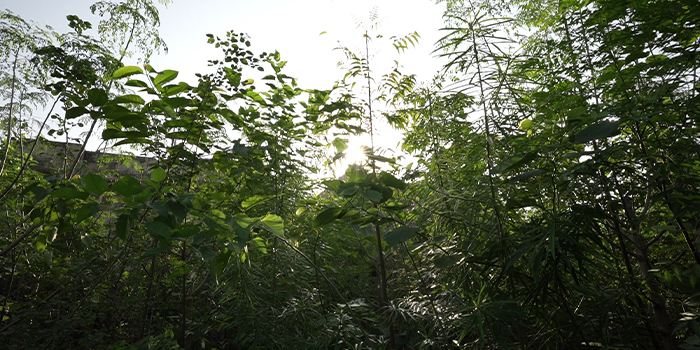
How Afforestation Creates Healthier Urban Forests
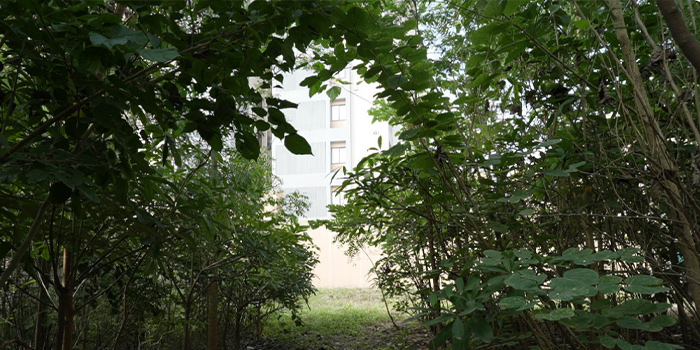
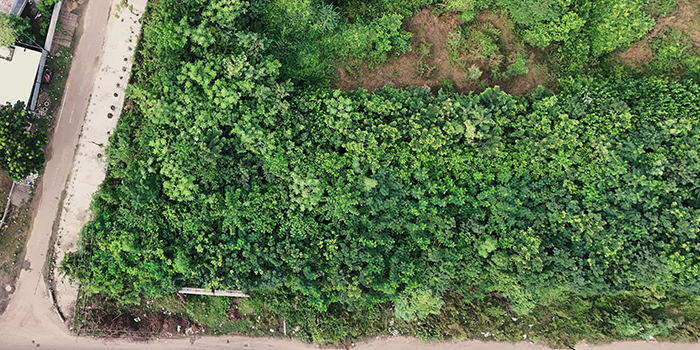
In this advanced era cities are growing very fast and with the growth, natural spaces are often becoming smaller and more fragmented. Roads, buildings, areas for parking, industries and other forms of development can gradually replace vegetation which once supported birds, insects, soil organisms and native life of plants. Afforestation provides a practical way to bring ecological value back into developed environments.
The urban forest is not just a collection of trees planted in an open space. It is a living system in which trees, shrubs, ground plants, soil, microorganisms, insects, birds, and other organisms interact with one another. The main aim is to create a green environment which can become more stable and useful as it grows.
Advanced afforestation can therefore be approached as a long-term ecological project rather than a one-day plantation activity. The choice of native species, arrangement of vegetation, tree density, soil condition, water availability and future maintenance can all influence how successfully a green area develops.
For the organization and communities, this approach can also create a stronger connection between environmental responsibility and everyday surroundings. A well planned plantation can improve the visual character of a property, provide habitat, strengthen local biodiversity, and contribute to wider climate and sustainability objectives.
Why Healthy Urban Forests Need More Than Tree Planting
Planting trees is an important first step, but the number of saplings alone does not determine whether a forest will become healthy. A plantation can contain hundreds or thousands of trees and still have limited ecological value if the species are poorly selected, the soil is damaged, or the vegetation lacks diversity.
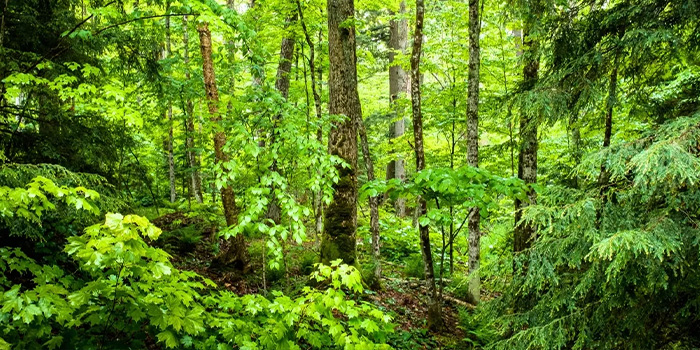
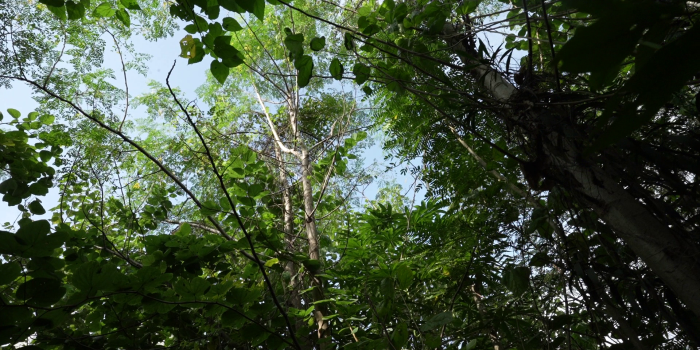
A healthier urban forest develops when different types of plants perform different ecological roles. Tall trees can create a canopy, medium-sized species can fill the middle layer, shrubs can provide lower cover, and ground vegetation can protect exposed soil. Together, these layers create a more complete habitat.
This is where thoughtful landscape planning becomes important. Instead of treating trees as decorative elements around buildings, ecological planting can be connected with pathways, open areas, drainage zones, existing vegetation, and other parts of the surrounding environment.
The objective is to create a green space that works as an ecosystem while still fitting naturally into the location.
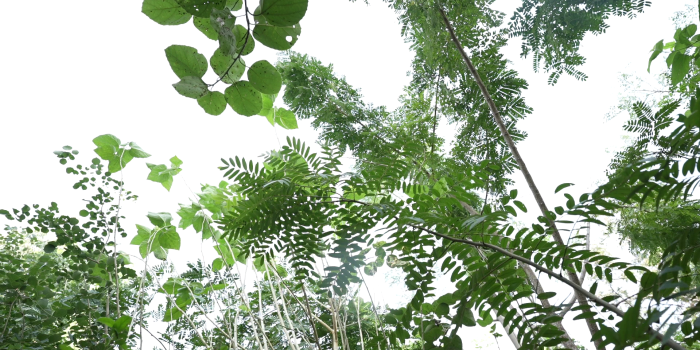
Afforestation as a Long-Term Ecological Strategy
Successful afforestation begins with a long-term view. A plantation should be designed not only for how it looks immediately after planting but also for how it may develop over the coming years.
Species that grow at different rates can create changing layers over time. Some plants may establish quickly and provide early shade, while slower-growing native species gradually become part of the mature structure. This makes species selection an important part of forest planning.
The use of suitable fast growing trees can help create early vegetation cover, but speed should not be the only selection factor. Plants must also be compatible with the local climate, soil, water conditions, and surrounding ecosystem.
A healthy forest should be capable of changing naturally as it develops. Leaves fall, organic matter returns to the ground, roots interact with soil organisms, insects appear, and birds begin using the vegetation for food or shelter. These gradual changes are what turn a plantation into a more functional ecological space.
Building Diversity Into the Forest
One of the strongest characteristics of a healthy forest is variety. A landscape dominated by a single species may provide greenery, but it does not offer the same ecological opportunities as a diverse native plantation.
Greater biodiversity can create different food sources, shelter options, nesting locations, and microhabitats. Flowering plants can support pollinators, fruit-bearing species can provide food for birds, and different vegetation layers can support insects and small organisms.
Species diversity can also make the plantation more resilient. If one species struggles because of a particular pest, disease, weather event, or environmental condition, other species may continue growing.
This is one reason a miyawaki method forest can be considered suitable sites. The approach focuses on dense, multi-layered planting using suitable native vegetation rather than creating a simple row-based plantation. However, the method should be selected according to site conditions rather than treated as a universal solution.
The Role of Tree Density in Forest Development
Tree density is another important part of forest planning. How closely plants are positioned affects access to sunlight, water, nutrients, and growing space.
A conventional plantation and a miyawaki method forest may use very different planting arrangements. A dense model can make better use of limited space and encourage the development of multiple vegetation layers, while other locations may require wider spacing because of available resources or the characteristics of selected species.
The right density is therefore not simply about planting the maximum possible number of trees. It should support healthy growth and allow the forest to develop as intended.
As the vegetation matures, competition naturally changes. Some plants grow taller, some remain in lower layers, and some may decline as stronger plants establish themselves. Good planning considers this changing relationship rather than looking only at the first year after plantation.
Soil Restoration: The Foundation Beneath the Forest
Healthy vegetation needs healthy ground. In many developed areas, soil may have been disturbed by construction, heavy movement, excavation, compaction, or long periods without organic inputs.
This is why soil restoration can be an important part of ecological plantation work. Restoring soil is not simply about adding nutrients. It can involve improving soil structure, increasing organic matter, supporting microorganisms, improving water retention, and creating conditions that allow roots to develop properly.
Once vegetation begins growing, natural processes can continue improving the ground. Leaf litter adds organic material, roots create channels within the soil, and microbial activity contributes to nutrient cycling.
Over time, the relationship between plants and soil becomes increasingly important. Stronger soil conditions can support stronger vegetation, while vegetation itself can contribute to further soil improvement.
For this reason, soil restoration should be viewed as part of forest development rather than as a separate activity that ends when plantation begins.
Choosing Fast Growth Without Losing Ecological Value
The phrase fast growing trees can sound attractive because organizations often want to see visible greenery within a short period. However, rapid growth should be balanced with ecological suitability.
A plant that grows quickly but performs poorly under local conditions may require more water, care, or replacement. In contrast, a suitable native species may develop at a different pace while contributing more effectively to the long-term structure of the forest.
A thoughtful plantation can therefore combine species with different growth characteristics. Early-growing plants can help establish vegetation, while long-lived native trees contribute to the future canopy.
The aim is not to create a forest that only looks mature quickly. The aim is to develop a stable ecosystem that can continue functioning as the plants mature.
Designing a Landscape Which Works With Nature
A green project should fit the character and needs of its surroundings. This is where landscape design and ecological planning both work together.A forested area can be positioned to complement buildings, pedestrian routes, boundary spaces, recreational zones, drainage systems, and other existing features. At the same time, sufficient space should be protected for vegetation to grow without unnecessary disturbance.
A well-planned landscape can also make environmental projects more visible. Employees, visitors, students, residents, and communities can experience the changing green space rather than seeing a plantation as something hidden or disconnected from daily life.The result can be a space which serves several purposes at once: ecological restoration, visual improvement, habitat creation, education, and community connection.
How Urban Forests Support Biodiversity
As vegetation is established, the ecological value of an urban forest can increase.various plant species create various resources, which can attract a wider range of organisms. Birds can use it for nesting and shelter. Butterflies and bees may benefit from flowering plants. Insects and microorganisms can become part of the soil ecosystem. Fallen leaves can provide organic material, while vegetation can offer shade and moisture to smaller organisms.
This creates a more active relationship between plants and wildlife. Rather than viewing biodiversity as an additional benefit, it can be considered one of the indicators of whether a plantation is developing into a more complete ecosystem.The improvement does not happen overnight. It depends on plant survival, habitat development, surrounding land use, seasonal conditions, and continued ecological management.
Connecting Corporate Social Responsibility With Long-Term Nature Projects
Environmental plantation can also become part of a company’s corporate social responsibility CSR strategy. However, the value of such a project becomes stronger when the focus moves beyond a single plantation event.
A long-term forest project can provide opportunities for employee participation, environmental education, community engagement, biodiversity observation, and continued monitoring.
This gives corporate social responsibility CSR programs a more lasting environmental dimension. Instead of measuring success only by the number of trees planted on one day, companies can look at how the site develops over time.
Forest projects can also become visible examples of a company’s environmental commitment. The changing landscape allows employees and visitors to see how an ecological initiative develops from young plants into a more established green space.
Urban Forests and Carbon Offset Goals
Growing vegetation naturally captures carbon as plants develop. This makes an urban forest relevant to broader climate strategies, although its carbon contribution should be measured carefully.
A carbon offset claim should not be based simply on counting planted trees. Carbon benefits depend on factors such as species, growth, survival, biomass development, project duration, and the methodology used for measurement.
For organizations, plantation can therefore complement wider emission-reduction efforts. Reducing direct emissions should remain a priority, while nature-based projects can support broader environmental goals.
When properly planned and monitored, a plantation can contribute to a company’s long-term climate strategy while delivering additional benefits such as habitat creation, improved soil conditions, and greener surroundings.
The Wider Value of Afforestation
The real value of afforestation becomes clearer when its effects are considered together. Trees provide shade and biomass, plants protect soil, vegetation creates habitat, roots interact with microorganisms, and diverse species contribute to ecosystem stability.
These functions can work together to create a healthier environment. A well-designed plantation can improve the appearance of a property while also supporting ecological processes that are less visible but equally important.
For organizations, this can connect environmental action with employee engagement, community participation, corporate social responsibility CSR, and long-term sustainability planning.
It can also support climate-related objectives where an appropriately measured carbon offset strategy is part of a wider emissions plan.
The result is not just a greener site. It is a living environmental asset that can continue developing as the years pass.
Key Elements of a Healthier Urban Forest
1. Native Species Diversity
Using a varied selection of suitable native plants creates different vegetation layers and supports a wider range of organisms. Diversity should be considered from the beginning rather than added later.
2. Balanced Tree Density
The appropriate tree density should match the plantation method, species, soil capacity, water availability, and long-term growth requirements. More trees do not automatically mean a healthier forest.
3. Recovered Soil
Effective soil restoration creates better conditions for root development, water movement, organic matter, and microbial activity. Healthy soil gives young plants a stronger foundation.
4. Suitable Growth Rates
Fast growing trees can help establish early vegetation, but they should be selected according to local ecological conditions and combined with species that contribute to long-term forest structure.
5. Connected Landscape Planning
A forest should fit naturally within its surroundings. Good landscape planning can connect green areas with existing vegetation, pathways, drainage, buildings, and community spaces.
6. Habitat Development
A diverse plantation can gradually support birds, pollinators, insects, microorganisms, and other organisms. This makes biodiversity an important part of long-term forest development.
7. Long-Term Monitoring
Forest development does not finish when planting ends. Monitoring plant survival, growth, soil conditions, water requirements, and ecological changes helps keep the project moving in the right direction.
Benefits of Developing Healthier Urban Forests
Supports Local Biodiversity
A diverse plantation creates opportunities for wildlife by providing food, shelter, nesting locations, and different habitat conditions.
Improves Soil Health
Vegetation and organic matter can help improve soil structure and support natural ecological processes, especially when soil restoration is included from the beginning.
Creates Greener Landscapes
A thoughtfully designed landscape can make corporate campuses, institutions, communities, and urban properties feel more connected to nature.
Strengthens Environmental Responsibility
Long-term plantation projects can give corporate social responsibility CSR programs a visible and continuing environmental purpose.
Supports Climate Action
Growing vegetation stores carbon, making forests relevant to climate strategies and carefully measured carbon offset programs.
Makes Better Use of Limited Space
Where conditions are appropriate, a miyawaki method forest can create dense native vegetation within smaller urban areas.
Creates Long-Term Ecological Value
Unlike temporary landscaping, a developing forest can continue changing, supporting ecological relationships and providing environmental value for many years.
Creating Sustainable Urban Forests with Harmony Urban Forest
At Harmony Urban Forest, afforestation is approached as a long-term ecological process rather than simply a tree plantation activity. The development of an urban forest begins with understanding the site, improving soil conditions through soil restoration, and selecting suitable native species for the local environment. Where appropriate, a miyawaki method forest can be developed by carefully planning tree density, vegetation layers, and a combination of fast growing trees and long-term native species. This approach can help create diverse habitats that support biodiversity while also becoming an integrated part of the surrounding landscape. For organizations, such projects can also support corporate social responsibility (CSR) initiatives and contribute to wider sustainability and carbon offset goals when the environmental benefits are properly planned, monitored, and measured. Harmony Urban Forest works to develop plantation projects into growing ecological spaces that can deliver environmental value over the long term.
Conclusion
Healthy cities need more than scattered greenery. They need living ecosystems that can support plants, wildlife, soil, and people together. Well-planned afforestation provides an opportunity to create these systems by bringing together native vegetation, ecological design, suitable planting density, soil improvement, and long-term care.
A successful urban forest is not measured only by how many trees are planted. Its real value can be seen in the diversity of plants, the condition of the soil, the habitat it provides, and the ecological relationships that develop over time.
For suitable locations, a miyawaki method forest can offer a dense approach to native forest development. Careful tree density, appropriate fast growing trees, diverse species, and effective soil restoration can help establish stronger foundations for long-term growth.
Ultimately, afforestation is about giving nature the space and conditions to recover. When planning looks beyond immediate greenery and focuses on how an ecosystem will function years from now, even a developed urban environment can become a healthier place for people and nature.
Frequently Asked Questions
1. How does afforestation help create healthier urban forests?
Afforestation helps introduce trees and other vegetation into areas where natural forest cover is limited or has been lost. When planned around native species, suitable soil, vegetation diversity, and long-term maintenance, it can create a more complete ecosystem rather than simply adding isolated trees.
2. Is a Miyawaki method forest suitable for every urban location?
No. A miyawaki method forest should be considered according to site conditions, available space, soil quality, water availability, local species, and the intended outcome. The method can work well for suitable compact sites, but ecological planning should come before selecting the plantation model.
3. Why is biodiversity important in an urban forest?
Biodiversity creates a wider range of plants, habitats, food sources, and ecological relationships. Native trees, shrubs, flowering plants, insects, birds, and soil organisms can interact to form a more resilient ecosystem than a plantation dominated by only a few species.
4. How should tree density be decided?
Tree density should be based on the plantation method, species characteristics, soil capacity, water availability, and long-term growth expectations. High density may be appropriate for certain forest models, but simply increasing the number of plants does not automatically create a healthier ecosystem.
5. Are fast growing trees always the best choice for afforestation?
No. Fast growing trees can provide quicker vegetation cover, but growth speed should be balanced with native suitability, long-term survival, water requirements, and ecological value. A mixture of species with different growth rates can create a more stable forest structure.
6. How does soil restoration support forest development?
Soil restoration can improve compacted or degraded ground by supporting better structure, organic matter, moisture retention, and biological activity. Stronger soil conditions give roots a better environment and can support healthier vegetation as the forest develops.
7. Can companies include urban forest projects in CSR programs?
Yes. An urban forest project can become part of suitable corporate social responsibility CSR initiatives. Companies can support plantation, ecological education, employee participation, biodiversity monitoring, and long-term maintenance instead of limiting CSR activity to a single plantation day.
8. Can afforestation contribute to carbon offset goals?
Vegetation captures and stores carbon as it grows, so afforestation can contribute to climate strategies. However, a carbon offset claim should be supported by appropriate measurement, monitoring, methodology, and verification. Tree numbers alone should not be treated as proof of a specific carbon benefit.
9. How can an urban forest become part of a corporate landscape?
An urban forest can be incorporated into the wider landscape by considering buildings, pedestrian routes, drainage, existing vegetation, open spaces, and areas used by employees or visitors. This allows ecological planting to become a functional part of the property rather than a separate feature.
10. How can Harmony Urban Forest help with afforestation projects?
Harmony Urban Forest can support organizations with ecological plantation projects by helping plan forest development around site conditions, native vegetation, soil improvement, plantation design, and long-term forest establishment. The approach can be adapted to the environmental requirements and objectives of each project.
Related Posts