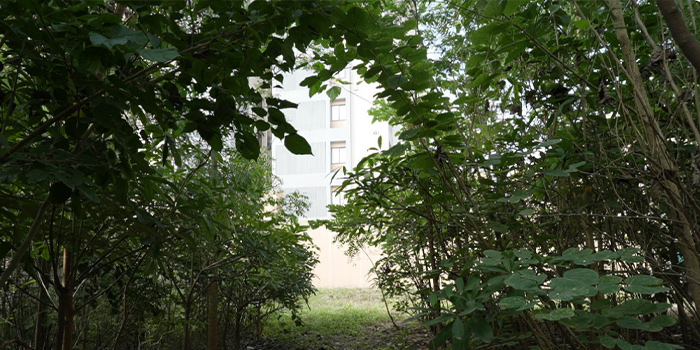
Planting trees in an urban area may look…
Landscape and Biodiversity for Sustainable Green Spaces
A Landscape is not just a pretty set of trees, plants and open areas. It is a living environment. Plants, soil, water, bugs, birds and people all come together. They work in harmony. Each part plays a role. It is not about looks. It is about life. It is about connection. It is, about balance. A landscape is alive. It breathes. It changes. It grows. It supports. It is a home. It is a place where everything fits. It is a system. A landscape is not a view. It is a way of life. As cities and factories keep growing natural homes get smaller and more separated. Making designed areas through planting trees can bring nature back, to these places and make the area better and more attractive.
Modern planting projects mainly aim to create spaces that support both people and nature. Than planting trees only for looks organisations build green areas that give shade improve soil quality create habitats and support local Biodiversity. A well‑thought Landscape can become a part of restoring the environment.
What Is Landscape and Biodiversity?
Landscape means the look and layout of built elements in an area. It can include trees, shrubs, grass, gardens, water features, pathways, open spaces and other elements. When we plan a landscape carefully we can put together the elements so that the area is both useful and attractive. A planned landscape also helps the environment and lets nature thrive.
Biodiversity refers to the number and variety of living organisms in a particular habitat or in the entire world or any water bodies or forests. It includes all species of trees, herbivorous plants, birds, butterflies, and insects, microorganisms, and other living creatures that inhabit the planet. The more life we have, in one area the healthier the environment becomes.
When a Landscape has kinds of plants and good habitats it can support more Biodiversity. That is why modern Afforestation projects should think about value as well as green space and appearance.
Why Is Afforestation Important, for Green Spaces?
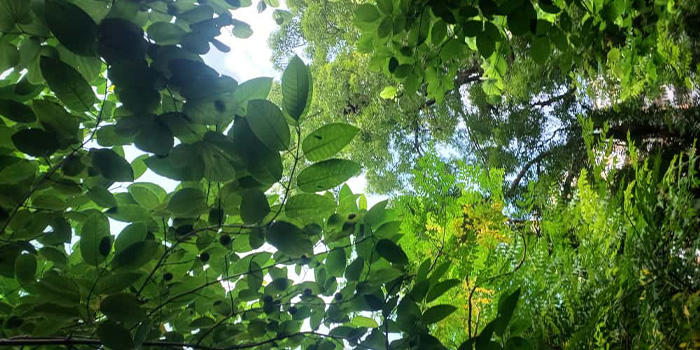
Infrastructure development and land-use activities may destroy vegetation and disrupt ecological systems. Afforestation helps restore vegetation to develop green areas. Planting trees and other vegetation can improve the ecological functions of a site.
Afforestation can also make the built environment more pleasant. Look nicer. Trees give shade soften the look of concrete and make greener spaces for people. When planting involves plants and many layers the Landscape can provide ecological value, than a simple row of decorative trees.
How Does Planting Tree Improve the Environment?
1. Adds Natural Green Cover
Trees and plants can totally change how an empty or heavily built area looks. A well‑planned planting brings colors, textures, shade and plants into the setting.
A greener Landscape is especially useful near offices, schools, homes, factories and public places. It makes the environment nicer. Also helps protect nature.
2. Creates Vegetation Layers
A good plantation does not rely only on tall trees. Ground covers, shrubs, small trees and taller trees can be arranged together to form layers.
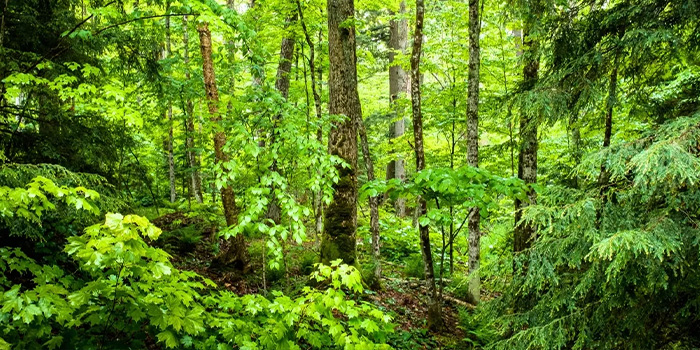
These layers use space better. Give different habitats. Small plants help insects and ground animals while taller trees offer shelter and nesting spots for birds. This layered method ties Landscape design to Biodiversity.
3. Restores Underused Land
damaged or badly kept land can sometimes become useful green space with good Afforestation work. Before planting the site may need soil improvement, removal of plants, drainage fixes or other prep.
When plants become established the area can slowly become an ecosystem. This change can make the property look better. Give extra ecological benefits.
The Value of Biodiversity in Green Spaces
Biodiversity is vital for the health and balance of nature; every plant and living being has a role, trees provide food and shelter, flowers attract bees and butterflies as well as insects and microbes which help the natural ecosystem to function.
A garden with just a few types of plants may look nice but may not provide much habitat for wildlife. By including native plants the space can be made more useful for birds, insects, butterflies and other local creatures.
That is why Biodiversity should be thought of from the start of an Afforestation project. A mix of trees, shrubs, flowers and ground covers creates a green space. In this space trees, shrubs, flowers and ground covers all grow together allowing for many types of life.
Key Elements of Sustainable Afforestation
1. Native plant selection
Native plants are naturally suited to the climate the soil and the weather conditions. They can. Adapt very easily. I have seen how they give food and shelter to birds, insects and other local wildlife. Food and shelter help those birds, insects and other local wildlife thrive.
Using plants in an afforestation project makes green space feel natural and works with the surrounding environment. It also lowers the risk of choosing plants that might have trouble growing in the conditions.
2. Soil
Soil is essential for establishing vegetation. Before planting I assess soil conditions so that problems such, as compaction, poor drainage or low organic matter can be fixed. Improving soil health helps native plants grow roots and supports long‑term growth. Healthy soil also contains organisms that help ecological processes.
3. Water Management
Water availability must be considered while designing spaces. It is advisable to go for plants that require less irrigation depending on the amount of rainfall and site conditions and not go for plants that demand high water content. Water management practices should be efficient so that plantations are sustainable, especially in areas where water is scarce.
4. Appropriate Plant Density
The number and spacing of plants shape how a plantation grows. Trees planted close may fight for resources while wide gaps can lower vegetation coverage. A suitable plant density lets native plants grow while creating an useful landscape. The correct arrangement depends on species, land size, soil, climate and project purpose.
Afforestation and Urban Biodiversity
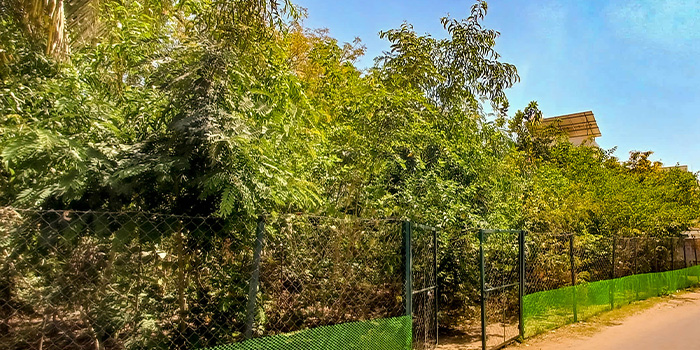
Cities are usually linked to concrete, traffic, buildings and few natural habitats. Still urban areas can hold spaces for plants and wildlife. Parks, institutional campuses, residential developments, industrial properties and roadside areas can all add to greenery.
Well‑designed afforestation can create forest patches in these developed environments. Even small green spaces can give food and nest sites to birds, butterflies, bees and other organisms.
The Role of Miyawaki Forests in Sustainable Landscapes
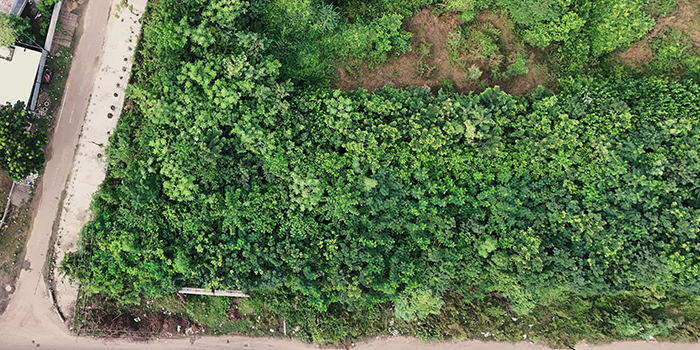
The Miyawaki forest technique generates diverse green zones even on lands that are limited. The method usually uses native plants arranged in several layers. This creates habitats for birds, insects and other organisms while boosting the value of the landscape.
In developed areas Miyawaki forests can turn unused spaces into greener environments. When combined with soil preparation, native plant selection, appropriate plant density and early maintenance they add to biodiversity and long‑term landscape development.
The Process of Creating Sustainable Green Spaces
1. Understanding the Site
First study the land. Soil matters. Sunlight matters. Drainage matters. Rainfall matters. Existing vegetation matters. Nearby buildings matter. Space matters when you decide where to plant.
Understanding all these conditions stops planting choices and creates a better base, for the project.
2. Setting Clear Environmental Goals
Every project can have a purpose. I notice that some people focus on improving a landscape while other people aim to restore land create wildlife habitats or increase urban greenery.
Defining the objective makes it easier to select plants and determine the planting approach.
3. Choosing Suitable Vegetation
Trees, shrubs, grasses, ground‑cover plants and flowering species can be selected according to the sites requirements. Native species should receive consideration because they can contribute to local ecological systems.
Plant diversity should be balanced with resources so that the plantation remains manageable and healthy.
4. Preparing the Land
Soil preparation may be required before planting. Depending on the condition of the site this can involve improving soil structure adding matter managing drainage or reducing compaction.
Good preparation can improve plant establishment. Reduce difficulties during the early stages of growth.
5. Planting and Establishment
Plants are positioned according to the planned design and their expected growth. Different layers can be created to improve space utilization and habitat diversity.
During the establishment period watering, weed management, protection from damage and regular observation may be necessary.
6. Long-Term Monitoring
A sustainable green space needs attention after planting. Trees and other plants continue to grow and environmental conditions can change.
Regular monitoring helps identify plants, irrigation issues, pest problems, soil changes or overcrowding. Long‑term care helps maintain both the appearance of the landscape and the ecological value of the plantation.
Benefits of Sustainable Green Spaces
1.Supports Wildlife
Diverse green spaces give food, shelter, nest sites and breeding chances, to wildlife. This boosts biodiversity. Makes the area more ecologically valuable.
2.Improves Environmental Quality
Trees and plants can help make surroundings cleaner and cooler. Green spaces can also help lower the amount of exposed soil and improve the environmental condition of developed areas.
3.Enhances Property Appearance
A planned landscape can improve the look of homes, businesses, schools and factories. Green surroundings can make spaces that are mostly hard built feel more natural.
4.Helps Restore Degraded Areas
afforestation can bring plants back to land that has lost much of its natural cover. As plants grow their roots and organic matter can help improve soil conditions.
5.Creates Better Community Spaces
Green areas can give people places to walk relax, spend time outdoors or connect with nature. This makes plantation valuable not only for the environment but also for society.
6.Supports Long-Term Sustainability
Green spaces can join environmental programs that focus on restoration, climate action, corporate sustainability and responsible land management.
Creating Biodiversity-Friendly Landscapes
A biodiversity-friendly landscape starts with diversity. Of choosing plants only for how they look or how fast they grow planners can think about their ecological role and how suitable they are for the local environment. Flowering plants can give resources for pollinators. Fruit-bearing species can support birds and animals. Trees with canopy structures can create varied habitats. Fallen leaves and natural plant material can also help soil organisms and nutrient cycles. This approach makes biodiversity an active part of landscape planning. Over time the area can become more than a decorated space; it can act as a small ecosystem.
Conclusion
Sustainable green spaces can play a role in creating healthier and more balanced environments. Through afforestation, unused or degraded areas can be turned into green spaces that look better and support ecological functions. A successful landscape should consider more than appearance. Soil health, water availability, plant diversity, tree density, native species, habitat creation and long‑term maintenance all influence the success of a plantation. When these elements are planned together green spaces can give environmental value. Protecting biodiversity should also remain a goal. A diverse plantation can support birds, insects, microorganisms and other life while helping people reconnect with nature. With planning and care afforestation can become a practical way to build greener cities restore land and create landscapes that remain useful for both people and the environment.
FAQs
1. What is the connection between landscape and biodiversity?
Landscape and biodiversity are closely connected. A green landscape with types of plants can give food, shelter and living spaces for birds, insects, butterflies and other organisms. A well‑planned landscape can support both people and nature.
2. How does afforestation help create green spaces?
Afforestation brings trees and vegetation to areas that have lost their natural green cover. With the plants, healthy soil, proper water management and regular care these areas can slowly become useful and sustainable green spaces. Harmony Urban Forest focuses on nature‑based plantation projects.
3. Why are native plants important for biodiversity?
Native plants are naturally suited to the climate and soil conditions. They can also give food and shelter for birds, insects and other wildlife. Using plants helps create a more natural and biodiversity‑friendly landscape.
4. Can small green spaces support biodiversity?
Yes. Even a small green space can be useful for birds, butterflies, insects and other organisms if it has the mix of plants. When several small green spaces are connected they can give greater ecological value.
5. How can a landscape be made more environmentally friendly?
A landscape can be more environmentally friendly by using plants different layers of vegetation, healthy soil and efficient water management. Choosing plants that fit the environment also makes the space easier to maintain and better for biodiversity.
6. Is tree planting alone enough for afforestation?
No. Planting trees is the beginning. A successful afforestation project needs site assessment, suitable plant selection, soil preparation, watering, maintenance and regular monitoring. These steps help make sure that plants survive and grow properly.
7. How can businesses use afforestation for CSR?
Businesses can use afforestation as part of their Corporate Social Responsibility (CSR) activities by supporting plantation and green‑space development projects. Harmony Urban Forest can help businesses create green spaces while contributing to biodiversity and environmental improvement.
8. How can sustainable landscapes benefit generations?
A sustainable landscape can give us space, shade, homes for animals, cleaner air and places where people can feel close to nature for many years. By building and keeping spaces today we can create healthier surroundings, for future generations.
Related Posts