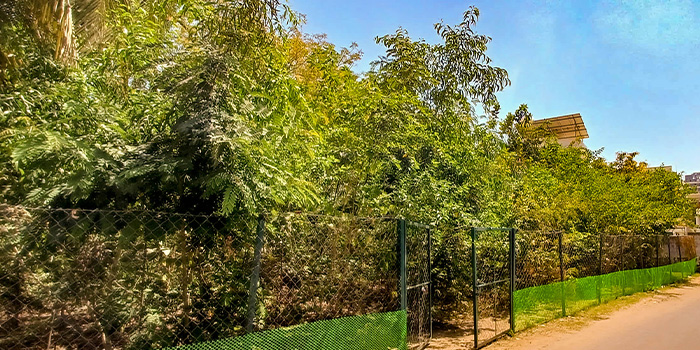
An urban forest is more than a group…
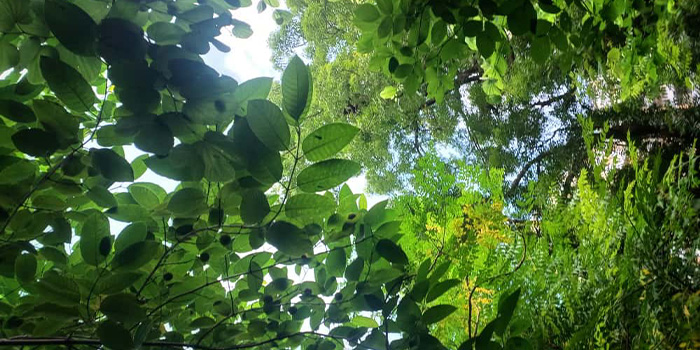
Miyawaki Method Forest for Corporate Urban Forest Projects
As businesses increasingly prioritize environmental responsibility and corporate sustainability India, urban forest projects and miyawaki method forest initiatives are becoming preferred solutions for long-term ecological impact and afforestation. By maintaining suitable tree density and incorporating fast growing trees, these projects can enhance biodiversity while improving the surrounding landscape. Across sectors, companies in India are integrating such green initiatives into their broader corporate social responsibility CSR strategies, while exploring responsible carbon offset opportunities and investing in soil restoration to align with climate goals, ESG frameworks, and stakeholder expectations.
In India, the growing focus on corporate sustainability Miyawaki method forest and environmental accountability has accelerated the demand for scientifically developed urban forests. Unlike conventional plantation drives, executing a Miyawaki forest project creates a dense, self-sustaining ecosystem using native species that grow rapidly and support biodiversity restoration.
For corporate projects, these forests provide measurable environmental outcomes including carbon absorption, biodiversity enhancement, and improved urban ecology. They also contribute significantly toward ESG compliance India and BRSR reporting India, where companies are increasingly required to demonstrate quantifiable sustainability initiatives.
Here is a complete overview of the process involved in developing a Miyawaki forest for corporate projects.
Site Identification and Feasibility Study
When selecting land for an urban forest, organizations should consider how the proposed plantation will fit into the existing landscape and surrounding ecological conditions. The site should have sufficient space to support the required tree density and accommodate a combination of native and fast growing trees without compromising long-term forest development. Proper planning at this stage also allows an afforestation project to create stronger habitat connectivity and improve biodiversity, making the plantation more than just a conventional green-cover initiative.
The first stage of developing a Miyawaki forest is identifying a suitable site. Corporate projects are commonly developed on:
- Industrial premises
- Office campuses
- Institutional land
- Community open spaces
- Buffer zones and marginal land around facilities
The land is assessed based on:
- Site size
- Soil condition
- Water accessibility
- Existing vegetation
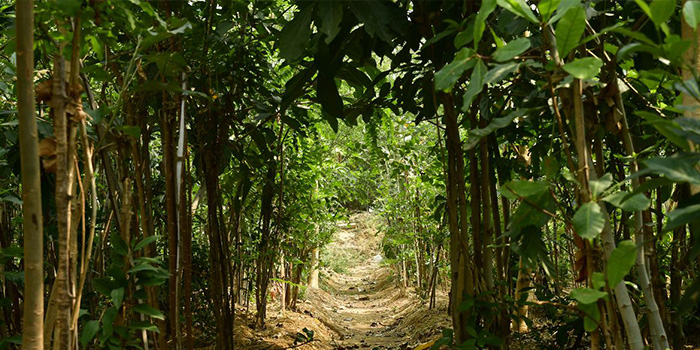
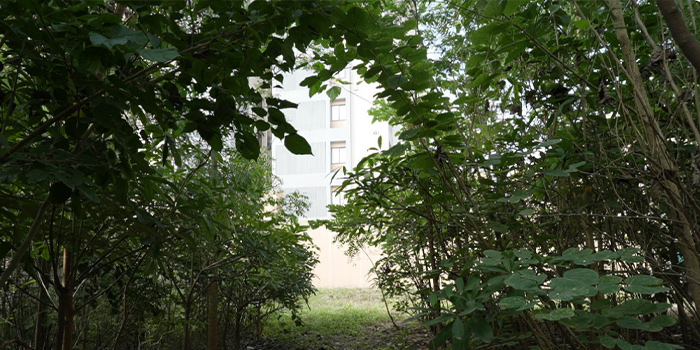
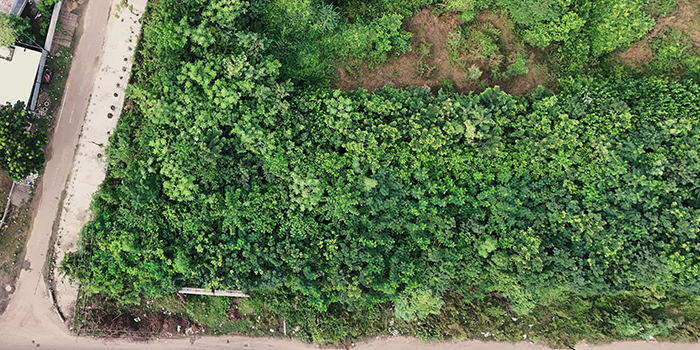
One of the key advantages of the Miyawaki method forest is that even small urban plots can be converted into dense forests. This makes it highly suitable for urban environments where land availability is limited.
A professional afforestation company typically conducts this assessment to determine project feasibility and long-term ecological viability.
Understanding the Local Ecology
Every successful Miyawaki forest begins with understanding the local ecosystem.
The objective is not simply to plant trees, but to recreate a natural forest using indigenous species adapted to regional climate conditionsMiyawaki forest India. This stage includes:
- Studying local flora
- Identifying native tree species
- Evaluating soil moisture and temperature conditions
Using native species improves survival rates and strengthens biodiversity restoration.
This ecological approach is one of the major Miyawaki forest benefits, as it creates resilient ecosystems capable of sustaining themselves over time.
Soil Testing and Preparation
Effective soil restoration is one of the most important foundations of a successful miyawaki method forest, particularly when the selected site has compacted, degraded, or nutrient-deficient soil. Improving soil structure before plantation allows roots to establish properly and helps fast growing trees and native vegetation develop under the planned tree density. For an urban forest, this preparation can significantly improve water retention and microbial activity, creating healthier conditions for long-term biodiversity and sustainable forest growth.
Soil quality directly influences forest growth. Before plantation begins, soil testing is conducted to evaluate:
- Organic matter content
- Water retention capacity
- pH level
Urban and industrial lands often contain compacted or nutrient-deficient soil. To improve soil performance, organic materials are added, such as:
- Organic Compost
- Cocopeat
- Biomass
- Rice husk
The goal is to create loose, nutrient-rich soil that supports rapid root development and healthy microbial activity.
Forest Design and Species Selection
The design of a miyawaki method forest should carefully balance tree density, species diversity, and the natural structure of the surrounding landscape. A suitable combination of native species and fast growing trees can help establish vegetation quickly while creating different ecological layers that support biodiversity. When these principles are incorporated into an afforestation project, the resulting urban forest can provide greater ecological value than a simple plantation of widely spaced trees.
Once soil preparation is complete, the forest structure is designed.
A Miyawaki forest includes multiple vegetation layers Miyawaki Method forest afforestation technique :
- Shrubs
- Medium-height trees
- Tall tree species
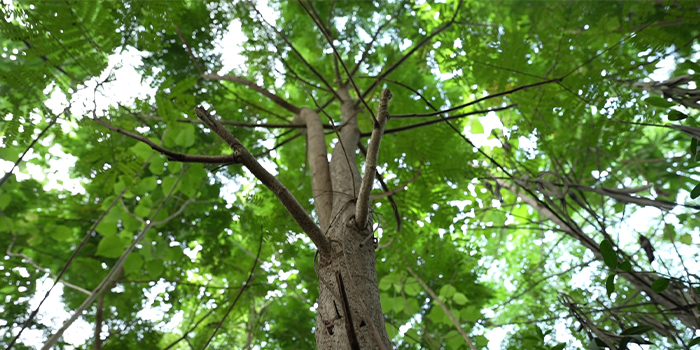
- Canopy trees
This layered arrangement replicates the structure of natural forests and enables rapid ecological development.
Species selection is based entirely on local ecology. A typical forest may contain 30–40 native species depending on site conditions and regional biodiversity.
Planting density is significantly higher compared to conventional plantations, usually 3 saplings per square meter. This dense arrangement accelerates vertical growth and canopy formation.
Site Preparation and Infrastructure
Before plantation begins, the site is physically prepared. This process may include:
- Cleaning debris and waste
- Removing invasive species
- Levelling the site
- Marking plantation grids
Prepared soil is thoroughly mixed with organic amendments to improve aeration and moisture retention afforestation company India.
This stage is critical because proper groundwork directly impacts root establishment and long-term forest health.
Plantation Process
For corporate plantation initiatives, establishing an urban forest can provide long-term value beyond the initial plantation activity. A properly implemented miyawaki method forest uses carefully selected species, appropriate tree density, and organic management practices to encourage healthy forest development. Such projects can become an important component of corporate social responsibility CSR, particularly for companies seeking to demonstrate measurable environmental action through afforestation, biodiversity improvement, and sustainable landscape development.
The plantation phase is carefully executed according to the finalized forest design tree plantation CSR India.
Saplings are planted as per the grouping design, mimicking natural forest growth patterns. This improves biodiversity interaction and creates healthier ecological competition among species.
After plantation, mulching is applied using organic materials such as straw or dry leaves. Mulching helps:
- Retain moisture
- Reduce weed growth
- Regulate soil temperature
Irrigation is then provided to support early-stage root establishment.
Maintenance During the Establishment Phase
The first two to three years are crucial for forest development. During this period, regular maintenance is required, including:
- Watering
- Weed removal
- Monitoring plant health
- Replacing damaged saplings
- Inspecting irrigation systems
Unlike decorative landscaping projects, Miyawaki forests are designed to become self-sustaining over time. Once the canopy develops and root systems mature, maintenance requirements significantly reduce natural carbon sink India.
Monitoring and Reporting
For corporate projects, monitoring is essential because sustainability initiatives are increasingly tied to reporting frameworks and ESG metrics.
Regular monitoring includes:
- Tree survival rates
- Growth measurements
- Biodiversity indicators
These measurable outcomes help companies strengthen ESG compliance India initiatives while contributing meaningful data for BRSR reporting India disclosures.
Many organizations also use drone surveys and GIS mapping to document progress and environmental impact.
Carbon Sequestration and Offset Potential
Miyawaki plantations can also contribute to responsible carbon offset strategies when their environmental benefits are properly measured and documented. By establishing an urban forest with suitable tree density, native species, and fast growing trees, organizations can increase biomass accumulation while creating additional ecological benefits. However, carbon offset initiatives should complement direct emission-reduction measures rather than replace them, while well-planned afforestation projects can simultaneously strengthen biodiversity and improve the surrounding landscape.
One of the strongest advantages of a Miyawaki forest is its role in carbon reduction strategies and carbon credit plantation India.
Due to rapid biomass growth and dense plantation, these forests support carbon sequestration by absorbing and storing atmospheric CO₂ more efficiently than traditional plantations.
For businesses working toward climate goals, Miyawaki forests can support:
- Emission offset programs
- Sustainability targets
- Climate action commitments
This is why carbon offset plantation initiatives are increasingly integrating Miyawaki forests into broader environmental programs.
Additionally, organizations exploring carbon credit plantation opportunities are recognizing the value of dense native forests in long-term carbon management strategies.
Although such forests should not replace direct emission reduction efforts, they act as a powerful complementary climate solution.
Employee and Community Engagement
Corporate Miyawaki forests often become more than environmental projects—they evolve into community engagement platforms.
Companies frequently involve:
- Employees
- Educational institutions
- NGOs
- Local communities
Plantation drives and environmental awareness activities create stronger participation while improving sustainability culture within organizations natural carbon sink India.
These engagement initiatives also enhance corporate image and strengthen long-term CSR impact.
Long-Term Ecological Transformation
One of the most remarkable outcomes of the Miyawaki method is the speed of ecological transformation.
Within a few years, the site evolves into a dense green ecosystem that attracts:
- Birds
- Pollinators
- Butterflies
- Small wildlife
The forest improves air quality, reduces heat, enhances biodiversity, and contributes to healthier urban environments.
These long-term ecological improvements are among the most valuable Miyawaki forest benefits for corporates seeking visible and measurable environmental impact.
For businesses, investing in a miyawaki method forest can create a long-term environmental asset that supports corporate social responsibility CSR objectives while improving the surrounding landscape. Through appropriate soil restoration, carefully planned tree density, and the use of native and fast growing trees, companies can develop an urban forest that supports biodiversity and contributes to climate resilience. Such projects can also complement responsible carbon offset strategies and broader afforestation programs, creating measurable environmental value for both organizations and local communities.
Conclusion
Developing a Miyawaki forest is a structured, science-based process that goes far beyond conventional plantation activities. From ecological assessment and soil preparation to plantation and long-term monitoring, every stage is designed to create a resilient and self-sustaining ecosystem.
As corporate sustainability initiatives continue to evolve, Miyawaki forests are becoming a preferred solution for businesses seeking meaningful environmental impact corporate sustainability India. They contribute to biodiversity restoration, carbon sequestration, employee engagement, and climate resilience while supporting ESG compliance India and BRSR reporting India objectives.
For companies looking to create lasting environmental value, Miyawaki forests represent one of the most effective and future-ready CSR investments available today.
FAQs
1. What makes the Miyawaki method different from traditional plantation methods?
The Miyawaki method creates dense native forests that grow faster, support biodiversity, improve ecological balance, and become self-sustaining compared to conventional plantation approaches used in urban and industrial environments.
2. How long does a Miyawaki forest take to become self-sustaining?
A Miyawaki forest usually becomes self-sustaining within two to three years after plantation once canopy growth, root development, and ecological balance naturally reduce long-term maintenance requirements.
3. Why are native species important in Miyawaki forest development?
Native species adapt better to local climate and soil conditions, improve survival rates, support biodiversity, attract pollinators, and strengthen long-term ecological stability within Miyawaki forest ecosystems.
4. Can small urban spaces be converted into Miyawaki forests?
Yes, even small urban plots, industrial spaces, office campuses, and institutional land can be transformed into dense Miyawaki forests using high-density native plantation techniques effectively.
5. How do Miyawaki forests support ESG compliance and BRSR reporting?
Miyawaki forests provide measurable environmental outcomes including carbon sequestration, biodiversity restoration, and sustainability impact data that help businesses strengthen ESG compliance and BRSR reporting initiatives.
6. What maintenance activities are required after plantation?
Initial maintenance includes watering, mulching, weed removal, plant monitoring, and replacing damaged saplings to support healthy forest establishment during the early growth phase.
7. What environmental benefits do corporate Miyawaki forests provide?
Corporate Miyawaki forests improve air quality, reduce urban heat, enhance biodiversity, support carbon sequestration, and create sustainable green ecosystems that benefit communities and urban environments long-term.
Related Posts