
An urban forest is more than a group…
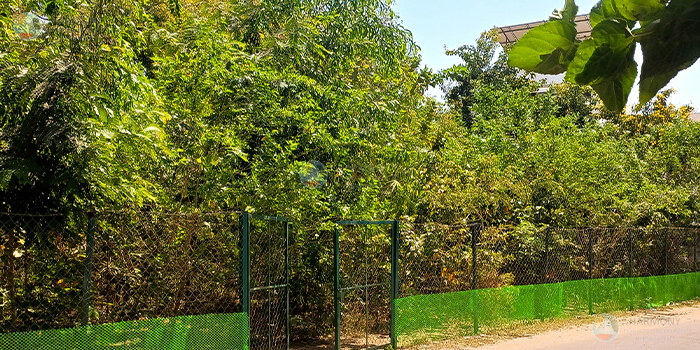
Corporate Social Responsibility CSR: Miyawaki Method Forest
Across industries, companies are re-evaluating how they approach environmental responsibility. What was once limited to symbolic tree-planting drives is now evolving into structured, measurable, and strategy-driven action. As organizations align with broader sustainability goals and disclosure frameworks, Miyawaki method forest is emerging as one of the most effective CSR interventions.
For modern businesses, an urban forest can become a long-term environmental asset rather than simply another plantation activity. A well-planned miyawaki method forest combines native species, suitable tree density, and fast growing trees to create a healthy green ecosystem within limited urban spaces. This approach strengthens biodiversity, improves the surrounding landscape, and gives companies a practical way to connect environmental action with corporate social responsibility CSR objectives.
This rise is driven by a combination of factors—climate urgency, regulatory expectations, stakeholder pressure, and the need for visible impact. Miyawaki forests sit at the intersection of all these demands, offering a solution that is both ecological and business-aligned.
The Science Behind the Dr Akira Miyawaki Method India
The success of any afforestation initiative depends on understanding the ecological conditions of the selected site before plantation begins. In a miyawaki method forest, proper soil restoration helps improve soil structure, moisture retention, and nutrient availability, allowing native plants to establish stronger root systems. When soil preparation is combined with appropriate tree density and species selection, the resulting urban forest can develop into a resilient ecosystem that supports long-term ecological recovery.
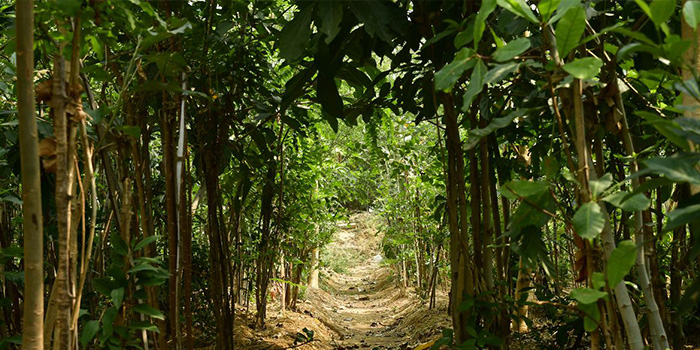
The foundation of Miyawaki forests lies in the Dr Akira Miyawaki method India, a scientifically proven approach to ecological restoration. This method focuses on rebuilding natural forests using indigenous plant species that are native to the local environment. Instead of planting trees in a scattered manner, this technique emphasizes dense, multi-layered plantation that replicate natural forest ecosystems. This structure allows trees, shrubs, and ground vegetation to grow together, creating a self-regulating ecosystem.
When guided by an experienced urban forest plantation company, the process begins with detailed soil analysis and species selection based on regional biodiversity. The high-density plantation ensures faster competition among plants, which accelerates vertical growth and canopy formation. Within a few years, the planted area transforms into a fully functioning micro-forest. This scientific approach is what differentiates Miyawaki forests from conventional plantations, making them a highly effective tool for urban ecological restoration and CSR implementation.
Miyawaki Forest Consultant India and Corporate CSR Planning
For companies, corporate social responsibility CSR initiatives are increasingly expected to create measurable and lasting environmental outcomes. Developing an urban forest through scientifically planned afforestation can provide visible green cover while contributing to biodiversity restoration and improved ecological conditions around corporate facilities. Such projects can also be structured alongside responsible carbon offset strategies, allowing businesses to connect their CSR investments with broader climate and sustainability objectives.
The success of a Miyawaki forest project depends heavily on expert planning and execution. A professional Miyawaki forest consultant India plays a critical role in ensuring that every stage of development follows ecological principles. From selecting the right indigenous species to designing plantation layouts, consultants ensure that the forest is scientifically sound and sustainable in the long term.
Corporates increasingly rely on such consultants because CSR projects are now expected to deliver measurable outcomes. These experts also help align plantation initiatives with environmental compliance requirements and sustainability reporting frameworks. By integrating ecological science with corporate strategy, they ensure that the forest not only grows successfully but also contributes meaningfully to biodiversity restoration and carbon reduction goals. This structured guidance is essential for turning CSR budgets into long-term environmental assets rather than one-time plantation activities.
Urban Forest Plantation Company Driving Scalable Green Transformation
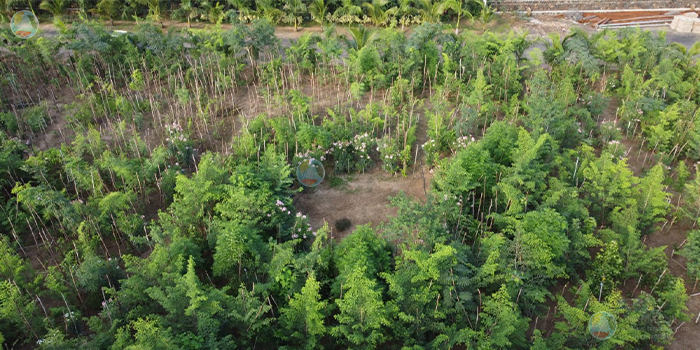
A professionally developed miyawaki method forest can be integrated into a wide range of urban locations, including corporate campuses, industrial premises, institutional spaces, and community areas. The use of fast growing trees alongside native shrubs and canopy species allows the plantation to develop multiple vegetation layers while maintaining the required tree density. From an urban planning perspective, these forests can enhance the surrounding landscape and create valuable green habitats where conventional landscaping may provide limited ecological benefits.
An urban forest plantation company plays a central role in transforming unused urban and industrial spaces into dense green ecosystems. These companies specialize in designing and executing Miyawaki-based forests at scale, making it possible for corporations to implement CSR projects even in limited land areas.
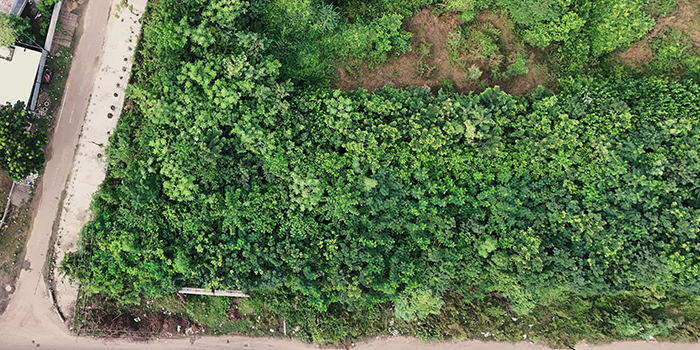
Their process includes site evaluation, soil preparation, plantation execution, and early-stage maintenance to ensure optimal forest development. What makes their role important is the ability to convert small degraded patches into highly productive ecological zones. Even compact urban areas can be transformed into dense forests that support biodiversity and improve environmental quality. This scalability makes Miyawaki forests an attractive CSR solution for companies operating in cities where land availability is limited but sustainability expectations are high.
Net Zero Carbon Consultancy India and Climate Strategy Integration
Nature-based solutions can complement corporate climate strategies when they are planned with realistic environmental objectives and proper monitoring. An urban forest can contribute to carbon storage while simultaneously improving biodiversity, supporting local habitats, and strengthening the ecological quality of developed areas. When companies include carbon offset initiatives within broader emission-reduction plans, afforestation projects such as Miyawaki forests can provide additional environmental value without replacing direct efforts to reduce operational emissions.
As organizations move toward carbon neutrality, the role of net zero carbon consultancy India has become increasingly important. These consultancies help companies design structured climate action plans that include emission reduction, energy efficiency, and nature-based solutions like Miyawaki forests.
Miyawaki forests contribute to net zero strategies by acting as natural carbon sinks. They absorb carbon dioxide from the atmosphere while improving local environmental conditions such as air quality and temperature regulation. Although they are not a substitute for reducing emissions at the source, they play a valuable supporting role in achieving long-term climate targets. When integrated into broader sustainability frameworks, they enhance ESG performance and strengthen corporate environmental responsibility narratives.
Carbon Credit Plantation Company and Measurable Environmental Value
The environmental performance of a plantation project also depends on how effectively the underlying ecosystem is established and maintained. Before developing a miyawaki method forest, appropriate soil restoration can create better growing conditions for native vegetation and fast growing trees, particularly on degraded or compacted urban land. Over time, this combination of healthy soil, suitable tree density, and diverse native planting can improve carbon storage while creating a more stable ecological system.
The growing importance of carbon markets has increased the relevance of a carbon credit plantation company in CSR and sustainability planning. Miyawaki forests are particularly suitable for carbon credit systems due to their high-density plantation and rapid growth cycles.
These forests capture significant amounts of carbon dioxide, which can be measured and potentially converted into carbon credits depending on certification frameworks. This allows companies to quantify their environmental contributions in financial and reporting terms. However, the real strength of this model lies in combining carbon offset initiatives with direct emission reduction strategies. When both approaches are integrated, corporations achieve a balanced and credible climate action plan that supports long-term sustainability goals.
Biodiversity Restoration Company and Ecological Recovery
A successful biodiversity restoration project should focus not only on increasing the number of trees but also on creating a functioning ecological system. A dense urban forest can provide food, shelter, nesting areas, and movement corridors for birds, insects, and other native species when the plantation is designed according to local ecological conditions. This makes afforestation more meaningful because the project contributes to habitat creation while also improving the visual and environmental quality of the surrounding landscape.
A biodiversity restoration company focuses on rebuilding damaged ecosystems by reintroducing native species and restoring ecological balance. Miyawaki forests are one of the most effective tools used in this process because they recreate natural forest structures within urban environments.
These forests support the return of native flora and fauna, including birds, insects, and small wildlife species. Over time, they help rebuild ecological networks that are often lost due to urbanization. This restoration improves soil health, enhances water retention, and supports natural climate regulation. For corporations, this translates into a meaningful contribution to environmental regeneration, making biodiversity restoration a key pillar of modern CSR strategies.
Urban Forest Consultant India and Long-Term Sustainability Growth
Long-term success also depends on maintaining the ecological conditions established during the initial plantation phase. Regular monitoring of soil restoration, plant growth, moisture levels, and tree density helps ensure that the miyawaki method forest continues developing according to its original design. The use of native and fast growing trees can support early vegetation development, while continued ecological management helps maintain biodiversity and improve the overall resilience of the urban forest.
The role of an urban forest consultant India extends beyond plantation. These experts ensure that the forest continues to develop as a stable and self-sustaining ecosystem over time. They monitor ecological progress, track biodiversity development, and guide maintenance strategies during early growth phases.
Their involvement ensures that the forest does not remain just a green space but evolves into a functioning ecological system. This long-term monitoring is essential for CSR reporting, ESG compliance, and environmental accountability. It also ensures that corporations receive sustained environmental value from their investment, rather than short-term plantation results.
Conclusion
For future-focused businesses, integrating corporate social responsibility CSR with environmental restoration can create benefits that extend beyond traditional plantation drives. A well-designed urban forest can become a permanent part of the corporate landscape, while a scientifically managed miyawaki method forest can support biodiversity, climate resilience, and ecological improvement. By combining soil restoration, afforestation, and responsible carbon offset planning, companies can create CSR projects that deliver meaningful environmental value over the long term.
Miyawaki urban forests are redefining the way CSR is implemented in India. With the combined expertise of a Miyawaki forest consultant India, urban forest plantation company, carbon credit plantation company, and net zero carbon consultancy India, these projects deliver structured, measurable, and long-term environmental impact.
By applying the Dr Akira Miyawaki method forest , corporations can transform small urban spaces into dense, self-sustaining ecosystems that support biodiversity restoration, carbon reduction, and climate resilience. As sustainability expectations continue to rise, Miyawaki forests are no longer just a CSR option—they are becoming a strategic environmental necessity for future-ready organizations.
Related Posts