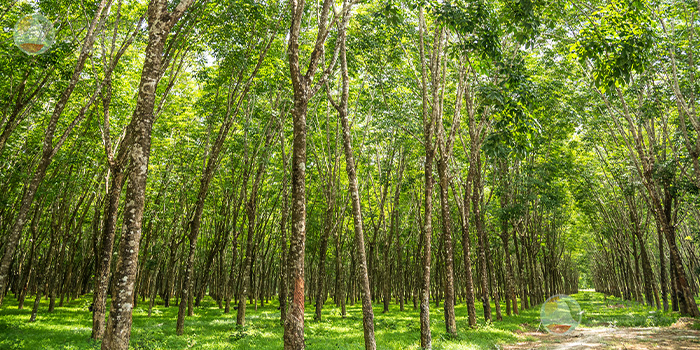
An urban forest is more than a group…
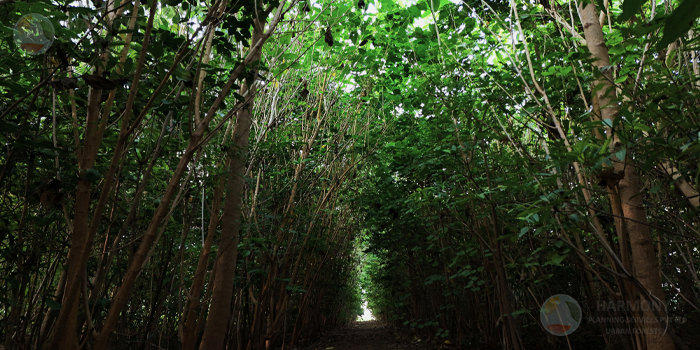
Urban Forest India: Miyawaki Method Forest & Afforestation
As cities in India continue to grow rapidly, developing urban forest has become essential for creating healthier and more sustainable urban environments. With this growth, we are also facing many environmental problems like air pollution, heat, and loss of greenery. Green spaces are no longer a luxury; they are a basic need for healthy living.
At Harmony Planning Services Pvt Ltd. – we proudly work as a leading Urban Forest Plantation Company in India. Our aim is to bring nature back into cities by creating dense, natural, and self-sustaining forests. We also specialize in making Urban Forest by using Japanese Miyawaki technique, helping organizations and communities build green ecosystems using modern and scientific methods.
Understanding Urban Forest in India
Urban forest is the process of growing natural forests within cities and urban areas. These forests are different from parks or gardens. They are dense, diverse, and designed to grow like natural forests.
As an experienced Urban Forest Consultant, we focus on creating forests that improve the environment and support long-term sustainability. Our work includes planning and developing forests in residential areas, corporate campuses, schools, industrial zones, and public spaces.
Being a trusted Afforestation Company, we understand that every land is unique. That is why we design each project based on local soil, climate, and plant species.
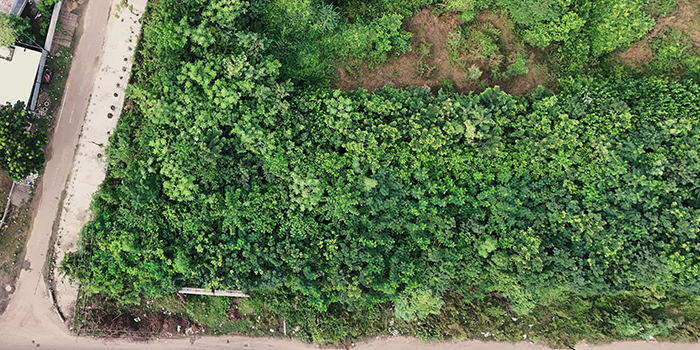
A professionally planned urban forest can make unused or underutilized urban land more productive while improving the surrounding landscape. Through scientific afforestation practices, these spaces can be developed into healthy green ecosystems that provide long-term environmental value.
Our goal is to create forests that grow naturally and require very little maintenance after a few years.
What is Miyawaki Forest and Why It Matters
The concept of Miyawaki Method Forest is becoming popular because it offers a fast and effective solution to increase green cover. This method is based on the Miyawaki Afforestation Technique, which was developed to grow forests quickly in small spaces.
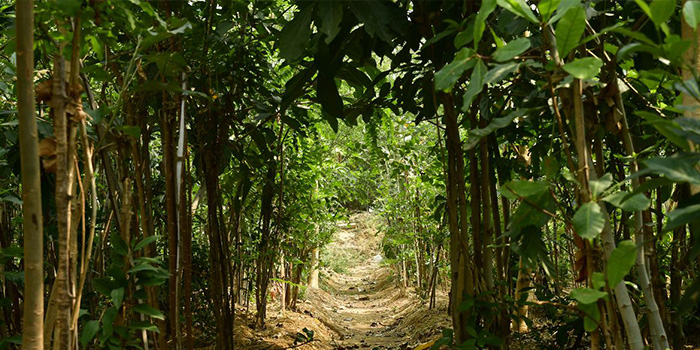
The Miyawaki Method Forest is an innovative afforestation approach that creates dense, native forests in a short span of time,making it highly suitable for urban environments. Developed by Japanese Botanist Dr. Akira Miyawaki, the method involves planting a diverse mix of indigenous species close together, allowing them to grow rapidly and form a multi-layered, self-sustaining ecosystem. Unlike conventional plantations, Miyawaki forests grow 8–10 times faster and require minimal maintenance after the initial few years.
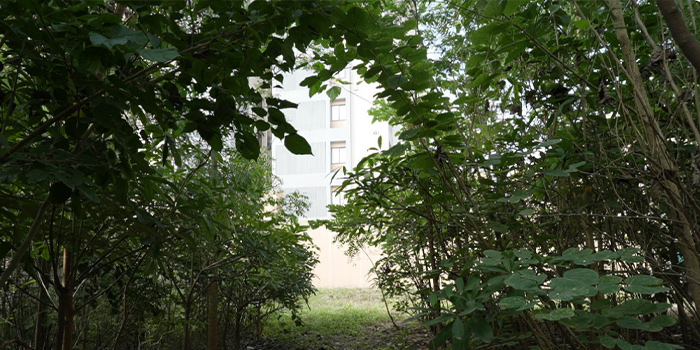
A Miyawaki method forest is particularly suitable for cities where limited land requires maximum greenery within a small area. Carefully planned tree density allows different layers of vegetation to develop together and creates conditions that support a naturally functioning forest ecosystem.
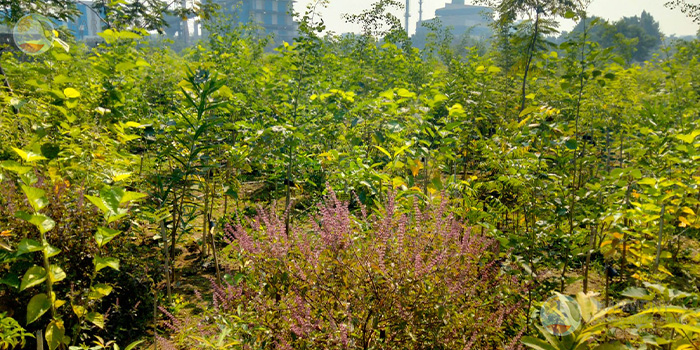
The selection of suitable native and fast growing trees can further support early forest establishment when combined with appropriate species diversity. Over time, a Miyawaki method forest can contribute to improved biodiversity by providing shelter and food sources for birds, insects, and other small organisms.
These forests matter because they address several critical urban challenges. They help improve air quality by absorbing carbon dioxide and pollutants, reduce the urban heat island effect by creating cooler microclimates, and significantly enhance biodiversity by providing habitat for birds, insects, and small wildlife.
Additionally, their dense structure helps reduce noise pollution and improve overall environmental quality. With the ability to thrive in small land parcels, Miyawaki forests offer a practical and scalable solution for creating greener, healthier, and more resilient cities.
Carbon Credits and Its Importance
Climate change is a critical global challenge driven largely by rising greenhouse gas emissions, particularly carbon dioxide (CO₂). While tree plantation plays an important ecological role, it is important to distinguish between general afforestation efforts and formal carbon credit mechanisms.
Carbon credits are part of regulated or voluntary carbon markets, where one credit typically represents the reduction or removal of one metric ton of CO₂ (or equivalent greenhouse gases). To generate verified carbon credits from plantation projects, activities must follow recognized standards. These standards require rigorous processes including baseline assessment, additionality demonstration, long-term monitoring, and third-party verification.
Growing an urban forest can contribute to carbon sequestration by absorbing CO₂ over time. However, not all plantations automatically qualify for carbon credits. Only projects that meet strict methodological and verification criteria can issue tradable carbon credits.
Urban plantation can therefore form one component of a broader carbon offset strategy when the project is developed according to applicable carbon standards and verification requirements. However, organizations should evaluate carbon claims carefully and ensure that any carbon offset benefits are supported by transparent measurement and credible documentation.
Organizations may invest in such verified projects as part of their broader sustainability or net-zero strategies, but carbon offsetting should complement—rather than replace—direct emission reduction efforts.
Beyond carbon benefits, a well-designed afforestation initiative can deliver co-benefits such as biodiversity enhancement, soil improvement, and community engagement. When implemented responsibly, these projects can strengthen an organization’s environmental profile, but claims regarding carbon credits must be backed by certified and measurable outcomes.
Corporate Sustainability and Green Responsibility
Today, companies are becoming more responsible toward the environment. Corporate Sustainability in India is now an important part of business strategy. Organizations are looking for ways to reduce their impact on nature and contribute to a better future.
By creating green spaces, companies can improve their surroundings, support environmental balance, and build a positive image. Sustainability is not just about policies; it is about real action, and plantation is a strong step in that direction.
Plantation initiatives can also become a meaningful part of corporate social responsibility CSR programs by creating visible environmental benefits within communities. A company-sponsored urban forest can provide employees with opportunities to participate in environmental activities while contributing to greener surroundings.
Net Zero for Future Growth
Many companies are now working toward carbon neutrality, where net zero carbon consultancy plays a critical role. It helps organizations measure their greenhouse gas emissions, implement reduction strategies, and responsibly offset residual emissions in line with global frameworks.
Urban forest and scientifically planned plantation projects can support these goals by sequestering carbon while enhancing biodiversity and urban resilience. However, they must be integrated with measurable reduction efforts. A practical, data-driven approach ensures long-term environmental and business value.
Companies can consider verified plantation projects as part of their wider carbon offset planning while continuing to prioritize direct emission reductions. When supported by appropriate monitoring, an urban forest can contribute to carbon sequestration as well as broader climate resilience.
Miyawaki Method Forest in Indian Urban Areas and its Benefits
The Miyawaki Method Forest offers a highly effective solution for enhancing green cover in densely built Indian urban areas. The success of Miyawaki Forest India projects can be seen in many cities.
For instance, in Tiruchirappalli and Lalgudi, degraded land parcels were transformed into dense native forests within a few years, showcasing rapid growth and ecological restoration. In Udaipur, the Miyawaki forest developed at Mohta Park converted a small urban space into a biodiverse green zone with over 9,500 trees across 37 species, improving both usability and environmental quality. The Miyawaki Method forest has also shown promising results in Vadodara, where several urban plantation initiatives have been undertaken to improve green cover and environmental quality
The effectiveness of this approach depends on appropriate species selection, soil preparation, plantation design, and tree density. Using locally suitable fast growing trees alongside other native species can help establish vegetation layers while maintaining ecological diversity.
A well-developed Miyawaki method forest can also strengthen biodiversity within densely developed areas by creating habitats for birds, butterflies, insects, and other organisms. This makes the method useful not only for increasing green cover but also for supporting ecological restoration in the urban landscape.
Miyawaki forests also help mitigate the urban heat island effect by lowering surrounding temperatures and creating cooler microclimates, which improves thermal comfort in cities. In addition, they support rich biodiversity by attracting birds, butterflies, insects, and small fauna, thereby restoring ecological balance in otherwise degraded environments.
Due to their dense structure, these forests can also act as natural sound barriers, reducing noise pollution from traffic and urban activity. Their ability to thrive in small plots makes them ideal for schools, industries, residential areas, and public spaces, contributing to healthier and more sustainable urban living.
Carbon Offset for Businesses
Carbon offsetting enables businesses to compensate for unavoidable carbon emissions by investing in environmental projects. These may include afforestation, renewable energy, or energy efficiency initiatives that reduce or remove carbon dioxide from the atmosphere. While offsets support sustainability goals, they should complement direct emission reduction efforts as part of a comprehensive net-zero strategy.
A responsible carbon offset program should focus on projects with clearly defined environmental outcomes, transparent monitoring, and appropriate verification. Businesses can combine plantation activities with emission-reduction measures to make their overall carbon offset strategy more credible and environmentally meaningful.
This not only helps the environment but also improves the company’s brand image. Customers and stakeholders appreciate businesses that take responsibility for nature.
Corporate Sustainability in India Through Urban Forest
Urban forests are a powerful tool for achieving Corporate Sustainability goals. They provide visible and measurable environmental benefits.
Companies can use these forests as part of their green initiatives. They can also involve employees and communities in plantation activities, which creates awareness and engagement.
Such initiatives can also strengthen corporate social responsibility CSR efforts by connecting business sustainability goals with measurable environmental activities. A thoughtfully designed landscape with native vegetation can provide employees and communities with a visible example of responsible environmental management.
Why Choose Harmony Planning Services Pvt Ltd.
Choosing the right Urban Forest Plantation Company is very important for the success of any project. At Harmony Planning Services Pvt Ltd., we bring experience, knowledge, and commitment to every project.
We are experts in Miyawaki Forest India and follow proven methods to ensure fast and healthy growth. Our team works closely with clients to understand their needs and provide customized solutions.
As a trusted Miyawaki Forest Consultant India, we focus on quality and long-term sustainability. We also provide support in Carbon Credit Plantation India, Carbon Offset Plantation India, and Net Zero Carbon Consultancy India.
Our goal is to create forests that not only look green but also function as natural ecosystems.
Our approach considers the complete plantation environment, including species selection, soil restoration, water requirements, and long-term maintenance. By combining scientific afforestation practices with ecological planning, we aim to create sustainable green spaces that remain valuable for years to come.
Our Expertise as Miyawaki Forest Consultant
At Harmony Planning Services Pvt Ltd., we are known for our expertise as a Miyawaki Forest Consultant following a practical approach to ensure that every forest project is successful.
We begin by understanding the land and its natural conditions.
Where required, soil restoration is considered before plantation to improve the growing environment and support healthy root development. We also evaluate the existing landscape so that the plantation integrates naturally with surrounding buildings, open spaces, and other green areas.
The right balance of native species and fast growing trees can help establish a strong vegetation structure during the early stages of development. Maintaining suitable tree density also helps create the layered appearance and ecological conditions associated with dense urban forest.
After that, we select native plant species that are suitable for the area. Then we design the forest layout and carry out plantings with proper care. Our team supports the initial growth phase to ensure strong development.
As an Urban Forest Consultant, we make sure that every forest grows into a healthy and natural ecosystem. Our focus is always on quality, sustainability, and long-term impact.
Creating a greener future is a shared responsibility.
Urban afforestation can play an important role in restoring ecological functions within rapidly expanding cities. Along with increasing green cover, responsible plantation can support soil restoration, improve habitat conditions, and contribute to healthier urban environments.
For businesses, these projects can also be connected with corporate social responsibility CSR initiatives and broader environmental commitments. When appropriately planned and documented, plantation activities may contribute to sustainability reporting and support wider environmental goals.
As a leading Urban Forest Plantation Company, Harmony Planning Services Pvt Ltd. is dedicated to bringing nature back into urban spaces.
Our work in Making Urban Forests with Miyawaki method forest, and Net Zero Consultancy helps businesses and communities move toward a better and cleaner future.
Urban forests are not just about planting trees. They are about creating life, balance, and hope for the next generation. Let us work together to build a greener and healthier India.
Frequently Asked Questions (FAQs)
1. What is the Miyawaki Afforestation Technique?
The Miyawaki Method Forest is a Japanese Afforestation Technique is a method of planting native trees very close together, helping forests grow faster, denser, and become self-sustaining within a few years in urban areas.The method focuses on creating a dense Miyawaki method forest by selecting suitable native species and planting them closely to encourage rapid development of multiple vegetation layers.
2. Why is Miyawaki Forest important for Indian cities?
Miyawaki Forests help cities reduce pollution, control temperature, and increase green cover quickly. When land scarcity is a crucial issue in Indian urban areas, these forests support biodiversity and create micro ecosystems even in a small parcel of land.A well-planned Miyawaki method forest can also improve urban biodiversity by providing habitat for birds, butterflies, insects, and other small species.
3. What are Carbon Credits?
Carbon credits are tradable certificates representing the reduction or removal of one metric ton of CO₂ or equivalent greenhouse gases. Issued under standards like Verified Carbon Standard, they help organizations offset emissions alongside direct reduction efforts.
4. How does Urban Forest help businesses?
Urban forest help businesses by balancing their carbon emission, which is often called a carbon offset. It improves environmental impact, supports sustainability goals, and enhances brand image among customers and stakeholders.Urban plantation can also support corporate social responsibility CSR initiatives by giving businesses an opportunity to participate in visible and measurable environmental projects.
5. What is the role of a Miyawaki Forest Consultant?
A Miyawaki Forest Consultant plans, designs, and executes forest projects using scientific techniques. They ensure proper species selection, design of the plantation, and growth for creating healthy and long-lasting urban forest.
6. How does Corporate Sustainability connect with urban forest?
Corporate Sustainability focuses on reducing environmental impact. Urban forest help companies achieve sustainability goals by improving green cover, reducing carbon footprint, and supporting eco-friendly business practices.Companies can integrate afforestation projects into their sustainability programs while also supporting biodiversity, improving local green cover, and strengthening their environmental commitments.
7. What is Net Zero Carbon Consultancy?
Net Zero Carbon Consultancy India helps organizations measure, reduce, and offset carbon emissions. It guides businesses toward achieving carbon neutrality through strategies like plantation and sustainable environmental practices.Where appropriate and subject to applicable standards, verified plantation projects may also form part of a company’s carbon offset strategy while direct emission reductions remain the primary focus.
Related Posts