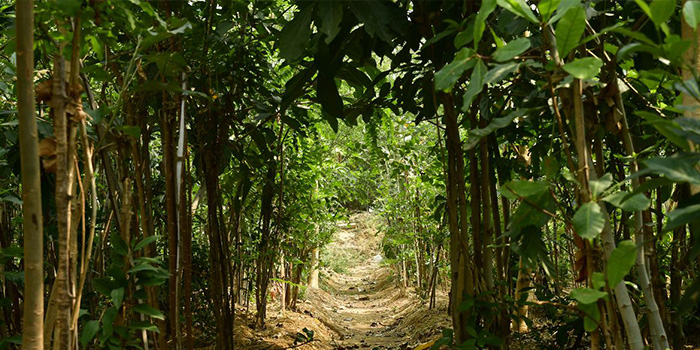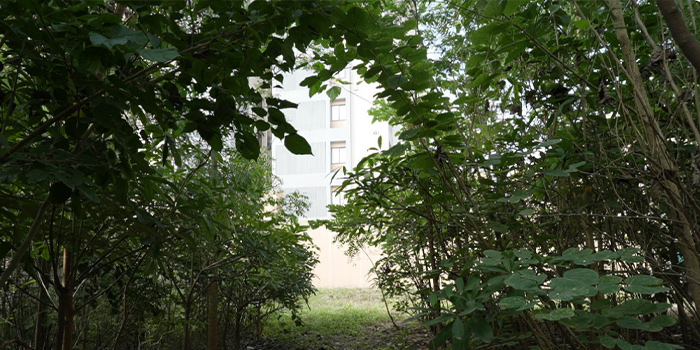
An urban forest is more than a group…

Biodiversity & Fast Growing Trees: CSR for Green Development
Corporate social responsibility CSR plays an important role in helping the chemical industry address its environmental responsibilities while supporting sustainable development. The chemical industry, a backbone of modern development, undeniably contributes to the growth of economies worldwide. From fertilizers and plastics to pharmaceuticals and cleaning agents, chemicals play a vital role in our daily lives. However, this growth comes with a significant environmental cost. Chemical plants are often associated with air, water, and soil pollution due to industrial emissions, effluents, and waste products. The adverse effects of these pollutants are not limited to the environment—they also impact human health, biodiversity, and even the long-term sustainability of industries themselves.
A professionally developed urban forest can give chemical companies a practical way to convert suitable land into a long-term environmental asset. Such projects can combine afforestation with pollution mitigation, habitat creation, and improved surroundings for nearby communities.
For sites with limited land availability, a miyawaki method forest can provide a compact approach to establishing dense native vegetation while supporting broader sustainability goals.
In today’s world, companies are being held accountable not only for their financial performance but also for their environmental and social impact. Governments, stakeholders, and the general public increasingly expect industries to adopt measures that reduce pollution and contribute positively to society. This is where Corporate Social Responsibility (CSR) comes into play. CSR is no longer just a regulatory requirement; it is a strategic approach for companies to demonstrate environmental stewardship, community care, and sustainable development.
One of the most impactful CSR strategies that industries can adopt today is tree plantation. Planting trees is a simple yet powerful initiative that benefits both the environment and the corporate image. By investing in tree plantation projects, chemical industries can offset their carbon emissions, improve local air quality, and support biodiversity. Moreover, these green initiatives align with global efforts to combat climate change, giving companies a chance to contribute meaningfully toward a sustainable future.
Harmony Architects specializes in providing tree plantation and urban forest services tailored for industrial clients. Our services enable chemical companies to utilize their CSR funds effectively by planting trees in urban and semi-urban areas. This not only helps reduce the environmental footprint of industrial operations but also creates tangible benefits for surrounding communities.
The Link Between Chemical Industry Pollution and CSR
In areas affected by industrial activity, soil restoration can be incorporated into plantation planning to improve soil structure, organic matter, moisture retention, and conditions for healthy vegetation. This creates a stronger foundation for long-term ecological recovery.
Planting a diverse range of native species can also strengthen local biodiversity by providing habitat and food sources for birds, insects, pollinators, and microorganisms.
The chemical sector is one of the major contributors to environmental pollution. Industrial processes often release harmful gases, particulate matter, and chemical residues into the environment. This pollution can affect the air we breathe, the water we drink, and the soil that supports agriculture. Without corrective action, these impacts can lead to regulatory penalties, community opposition, and reputational damage for companies.
Implementing CSR activities focused on environmental remediation, like tree plantation, can mitigate these risks. Trees absorb carbon dioxide, release oxygen, and act as natural filters for airborne pollutants. By participating in green CSR initiatives, chemical companies can demonstrate that they are taking responsibility for the consequences of their operations. Additionally, these projects often qualify companies for carbon credits, a financial incentive that can be leveraged in sustainability reporting and international carbon trading mechanisms.
Benefits of Tree Plantation as a CSR Initiative
The use of suitable fast growing trees can help establish green cover efficiently while maintaining compatibility with local environmental conditions. Properly planned tree density ensures that plants have sufficient space and resources to develop into a healthy plantation.
A thoughtfully designed plantation can also improve the surrounding landscape, providing shade, visual greenery, and ecological value around industrial facilities.
Tree plantation as a part of CSR offers multiple benefits for chemical industries:
- Environmental Impact Reduction: Trees absorb carbon dioxide, helping offset the emissions generated by industrial activities. They also prevent soil erosion, maintain groundwater levels, and enhance biodiversity.
- Community Engagement: CSR-driven tree plantation projects can involve local communities, schools, and employees. This engagement fosters goodwill, strengthens community relations, and builds a positive corporate image.
- Regulatory Compliance: Many countries have environmental regulations that encourage industries to undertake green initiatives. Tree plantation under CSR helps companies stay compliant while actively contributing to environmental restoration.
- Carbon Credits: By planting trees, companies can earn carbon credits, which can be used to offset their carbon footprint. These credits can also be an additional source of revenue or an accounting tool to demonstrate environmental accountability.
- Corporate Reputation: Adopting green CSR initiatives positions a company as a responsible and forward-thinking organization. This can enhance stakeholder trust, attract eco-conscious investors, and improve brand value.
- Employee Morale: CSR activities like tree plantation create opportunities for employees to participate in meaningful projects. This increases engagement, satisfaction, and pride in the company.
How Harmony Architects Supports CSR Tree Plantation Projects
Where suitable, a miyawaki method forest can be incorporated into industrial plantation plans to create a dense, multi-layered green ecosystem within a relatively small area. Its native-species approach can support ecological restoration while making efficient use of available land.
Our planning process can also include soil restoration measures before plantation where existing site conditions require improvement. This helps create healthier growing conditions and supports stronger long-term plant establishment.
At Harmony Architects, we specialize in designing and implementing tree plantation and urban forest services for industries, ensuring that CSR funds are utilized effectively. Our approach is systematic and sustainable:
- Assessment and Planning: We begin by assessing the available space, local ecology, and community requirements. Based on this, we design a plantation plan that maximizes environmental benefits.
- Selection of Native Species: To ensure sustainability and ecological balance, we select native tree species that thrive in the local climate and require minimal maintenance.
- Plantation and Maintenance: We oversee the plantation process from start to finish, including sapling planting, soil preparation, and long-term care. Our team ensures high survival rates and sustainable growth of trees.
- Monitoring and Reporting: We provide detailed reports and monitoring data, helping companies track the progress of their green initiatives. This information is valuable for CSR reporting and obtaining carbon credits.
- Community Involvement: We encourage industries to involve local communities, schools, and employees in plantation drives, turning CSR initiatives into impactful social programs.
Maximizing CSR Fund Utilization for Sustainable Development
Companies can integrate corporate social responsibility CSR investments with long-term environmental restoration by developing green projects that provide measurable ecological and community benefits. An urban forest can become a visible sustainability asset that employees and surrounding communities can engage with.
Where a plantation project meets applicable methodologies and verification requirements, carbon sequestration may contribute to a carbon offset strategy. Such initiatives should complement direct emission-reduction measures rather than replace them.
One of the challenges for companies is ensuring that their CSR funds are effectively used. Many organizations struggle to identify projects that are both impactful and aligned with their corporate objectives. By investing in tree plantation through services like Harmony Architects, companies can achieve multiple goals simultaneously:
- Fulfill statutory CSR requirements
- Mitigate environmental impact of industrial operations
- Enhance corporate reputation
- Generate carbon credits
- Contribute to a sustainable future
Investing CSR funds in tree plantation is not just a regulatory checkbox; it is a strategic decision that yields long-term benefits for both the company and the environment.
Green CSR Initiatives: A Step Towards a Sustainable Future
Strategic afforestation can help chemical companies increase native green cover while supporting ecological restoration around suitable industrial and community spaces. When planned with locally appropriate species, these projects can also strengthen biodiversity.
A miyawaki method forest can be particularly useful where companies want to establish a dense native plantation on a compact plot without requiring extensive land.
The concept of green CSR initiatives goes beyond tree plantation. It encompasses any corporate effort that promotes environmental protection, resource conservation, and sustainability. For chemical industries, this could include:
- Reducing emissions through cleaner production processes
- Treating industrial effluents before discharge
- Promoting energy efficiency and renewable energy
- Conducting environmental awareness programs in local communities
Among all these initiatives, tree plantation remains one of the most visible and impactful actions. It creates immediate environmental benefits while also leaving a long-term legacy for future generations.
Why Every Chemical Industry Should Plant Trees
Combining suitable fast growing trees with other native species can help create different vegetation layers and establish green cover efficiently. Maintaining appropriate tree density also supports healthier plant development and contributes to the long-term resilience of the plantation.
Beyond environmental benefits, improving the surrounding landscape can create greener industrial campuses and more pleasant spaces for employees and nearby communities.
The chemical industry has a unique responsibility. While it fuels economic growth and innovation, it also contributes to environmental degradation. By adopting tree plantation as a core CSR activity, companies can:
- Offset their carbon footprint and earn carbon credits
- Improve local air and soil quality, benefiting nearby communities
- Strengthen their public image and gain stakeholder trust
- Comply with environmental regulations while demonstrating proactive responsibility
Tree plantation is a tangible way to convert CSR funds into a positive, lasting impact. Companies that plant trees not only fulfill regulatory requirements but also contribute to the global fight against climate change.
Case Studies: Successful CSR Tree Plantation Programs
Several chemical companies have successfully integrated tree plantation into their CSR programs. For example, industries that partnered with urban forest service providers like Harmony Architects have:
- Planted thousands of native trees in urban and semi-urban areas
- Involved employees and local communities in plantation drives
- Earned carbon credits to offset their industrial emissions
- Achieved recognition for green CSR initiatives, enhancing corporate reputation
These success stories demonstrate that tree plantation is not just an environmental act but a strategic corporate decision that delivers multiple benefits.
Conclusion
Chemical companies can strengthen their corporate social responsibility CSR efforts by investing in plantation projects that combine environmental restoration with employee and community participation. These projects can create lasting green assets while supporting broader sustainability objectives.
Scientifically planned afforestation can also contribute to carbon offset strategies when carbon sequestration is properly measured, monitored, and verified. At the same time, these projects can improve biodiversity and support the ecological recovery of degraded sites.
The chemical industry stands at a crossroads. On one hand, it drives innovation, economic growth, and industrial development. On the other, it contributes significantly to environmental pollution. The path to a sustainable future lies in balancing industrial growth with environmental responsibility.
Adopting tree plantation as a CSR activity is a step in the right direction. By leveraging CSR funds for tree plantation and urban forest services, chemical companies can:
- Mitigate pollution
- Earn carbon credits
- Enhance corporate reputation
- Engage communities
- Promote a healthier, greener planet
Harmony Architects provides specialized services to help industries translate their CSR objectives into meaningful environmental impact. By partnering with us, chemical companies can ensure that their CSR activities are not only compliant but also transformative, contributing to a sustainable, greener future.
In today’s competitive and environmentally-conscious world, proactive CSR initiatives like tree plantation are no longer optional—they are a necessity. Companies that act now will not only protect the environment but also secure a lasting legacy of social responsibility, stakeholder trust, and sustainable growth
Plant trees today, and invest in a sustainable future tomorrow.
FAQs
1. What is Corporate Social Responsibility (CSR) in the chemical industry?
CSR is a company’s ethical commitment to reduce environmental impact, support communities, and promote sustainable development through activities like tree plantation and green initiatives.
2. How can tree plantation help chemical companies achieve their CSR goals?
Tree plantation offsets industrial emissions, improves air quality, supports biodiversity, engages communities, and strengthens a company’s CSR profile and reputation.
3. What are carbon credits, and how do they relate to tree plantation?
Carbon credits are earned by reducing carbon emissions; trees absorb CO₂, helping companies offset their industrial footprint and contribute to sustainability goals.
4. Why should chemical industries invest their CSR fund in tree plantation?
Investing CSR funds in tree plantation reduces pollution, earns carbon credits, engages communities, and builds a sustainable future while enhancing corporate reputation.
5. How do green CSR initiatives benefit both the environment and the company?
Green CSR initiatives reduce pollution, conserve resources, and improve biodiversity while enhancing reputation, attracting investors, and boosting employee morale.
6. What role does Harmony Architects play in CSR-driven tree plantation?
Harmony Architects plans, implements, and monitors industrial tree plantations, ensuring CSR funds are used effectively while generating carbon credits and environmental benefits.
7. Can tree plantation improve the reputation of chemical companies?
Yes. Tree plantation demonstrates environmental responsibility, engages communities, and positions the company as a leader in sustainability and ethical practices.
8. How does tree plantation contribute to a sustainable future?
Trees absorb carbon, produce oxygen, and protect ecosystems, helping industries combat climate change and promote long-term environmental sustainability.
9. Are there regulatory benefits for chemical companies adopting tree plantation in CSR?
Yes. Tree plantation under CSR ensures compliance with environmental regulations and supports earning carbon credits for sustainability reporting.
10. How can companies ensure the success of their tree plantation projects?
Success requires proper planning, native species selection, regular maintenance, monitoring, and community engagement to ensure survival and environmental impact.
Related Posts