Planting trees in an urban area may look…
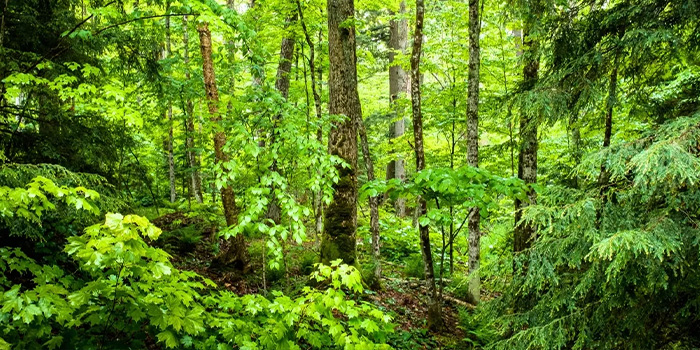
Tree Density: A Guide to Creating a Healthy Urban Forest
Introduction
Tree density is the main factor in creating healthy, sustainable and well-planned green spaces. As cities continue to grow, open green spaces are becoming increasingly limited, with buildings, roads, industries and infrastructure replaced with natural vegetation. This has increased the need for planned afforestation, better green spaces and sustainable plantation practices. However, planting trees is not simply about putting as many plants as possible into that area which they have. The number of trees, their pacing, species, condition of the soil, and future growth all need to be included to ensure long-term plant health and ecosystem development.
It refers to the number of trees which grow within a particular area of the land. It also has a direct influence on plant growth,availability of sunlight, requirements of water, root development, canopy formation, and the overall health of a plantation. Whether the goal is to create an urban forest, restore degraded land, improve a landscape, or create miyawaki method forest, also understanding tree density helps to create a plantation that can remain healthy for years.
What Is Tree Density?
Tree density is the total number of trees which are planted in the defined area of land. Which is commonly used to understand how closely trees are planted or grow naturally in a specific forest or plantation.This plantation with fewer trees spread across a large area has a lower tree density, while an area including many trees within a smaller space has a higher tree density.
However, high tree density does not always mean a better plantation. If trees are planted too closely without considering their species, mature size, root systems, soil, and water availability, they may compete heavily for essential resources. On the other hand, very low tree density can leave large gaps in vegetation and may not provide enough shade or habitat. The objective is to establish a suitable tree density that matches the purpose and environmental conditions of the site.
This becomes particularly important when developing an urban forest. Urban areas often have limited land, so every planting space needs to be used carefully. A suitable tree density can help create stronger green coverage without causing unnecessary competition between plants. In a miyawaki method forest, planting is generally denser than conventional plantation models, but the species selection and arrangement are still important for healthy long-term development.
Why Is Tree Density Necessary?
Tree density is necessary because trees are living organisms which need space and natural resources in their growth. Every tree requires sunlight, water , nutrients, air circulation and sufficient root space. When too many plants are placed together without proper planning, competition can increase and weaker plants may struggle to survive. It also offers better balance between vegetation coverage and plant requirements.
In afforestation projects, tree density also affects how quickly an area develops into a functioning green ecosystem. A suitable planting arrangement can help vegetation establish across the site while reducing unnecessary empty spaces. It can also contribute to better soil restoration, as tree roots help hold soil together and fallen leaves gradually add organic matter to the ground.
Another important reason is biodiversity. A plantation should not be designed around a single type of tree wherever possible. Different layers and species can create more varied habitats for birds, insects, microorganisms, and other organisms. The right tree density, combined with diverse plant selection, can therefore help develop a healthier ecosystem rather than simply creating a large number of trees in one location.
Key Features of Tree Density Planning
1. Proper Plant Spacing
Plant spacing is one of the most important elements of tree density. Trees should have enough room for their roots and branches to develop according to their expected mature size. Proper spacing can reduce unnecessary competition for sunlight, moisture, and nutrients.The required spacing may vary depending on the species, climate, soil, plantation method, and purpose of the project. A small urban plantation may require a different approach from a large-scale afforestation project.
2. Selection of Suitable Tree Species
Species selection has a major impact on tree density. Some trees develop wide canopies, while others grow vertically. Some require more water and nutrients, whereas others can adapt to challenging conditions.Including suitable fast growing trees can help establish green cover relatively quickly, but they should be selected according to local environmental conditions. Native species can also play an important role because they are generally better adapted to the regional climate and can contribute to local biodiversity.
3. Multi-Layered Plantation
A healthy plantation may contain different vegetation layers, including ground cover, shrubs, small trees, and taller trees. Such an arrangement can make better use of available space and create a more natural-looking landscape.The miyawaki method forest approach is known for using multiple layers of vegetation within a compact area. Instead of relying on one type of tree, the plantation can include a mixture of species with different growth characteristics.
4. Soil and Water Consideration
Tree density should always be planned after understanding the condition of the soil and availability of water. Poor soil may require improvement before plantation, while areas with limited water resources may not support extremely dense vegetation.Effective soil restoration can improve the growing environment by addressing soil compaction, nutrient deficiencies, organic matter, and other site-specific concerns. This creates better conditions for trees to establish and maintain healthy growth.
5. Long-Term Growth Planning
Trees that appear small at the time of planting may become much larger after several years. Therefore, tree density should not be decided only according to the appearance of a newly planted site.Long-term growth should be considered from the beginning. This helps prevent overcrowding and allows the plantation to develop naturally as trees mature. Regular monitoring can also show whether changes are required as the vegetation develops.
The Process of Managing Tree Density
1. Site Assessment
The first step is to understand the site. Soil type, drainage, sunlight, rainfall, temperature, existing vegetation, available water, and land size should be assessed before plantation planning begins.For an urban forest, the assessment may also include nearby buildings, roads, utility lines, walking areas, and other infrastructure. These factors can influence where trees can safely be planted and how much space they can occupy.
2. Defining the Plantation Objective
The purpose of the project should be established before deciding the required tree density. A plantation designed for biodiversity may have different requirements from one developed primarily for landscape improvement or environmental restoration.For example, a miyawaki method forest focuses on creating a dense, layered plantation within a relatively small area. A larger afforestation project may use a different planting pattern based on the available land and environmental objectives.
3. Selecting the Right Plants
The next step is choosing suitable species. Native trees, shrubs, ground-cover plants, and appropriate fast growing trees can be selected based on the site and project objective.Plant diversity should also be considered. Using different species can improve ecological value and create better opportunities for biodiversity. The mature size and growth behaviour of every plant should be considered before finalizing its position.
4. Preparing the Soil
Before planting, the soil should be checked and improved where necessary. Compacted or nutrient-poor soil may need suitable treatment to support root development.This stage is closely connected with soil restoration. Improving the soil can help plants establish stronger roots and make the plantation more resilient. Good soil preparation can also reduce difficulties during the early stages of plant growth.
5. Planting According to the Planned Density
Once the site and plants are ready, trees are placed according to the selected planting pattern. The distance between plants depends on species characteristics and the plantation method.In a miyawaki method forest, plants may be placed close together to encourage dense growth and competition that supports upward development. In other plantations, wider spacing may be more appropriate. The key is to establish a tree density that suits the project rather than following one fixed number for every site.
6. Monitoring and Maintenance
Tree density management does not end after planting. Plants should be monitored regularly to check survival, growth, water requirements, soil condition, pests, disease, and competition.As trees become mature, some plants may grow faster than others. Monitoring helps identify areas where vegetation is becoming overcrowded or where additional planting may be needed. This makes tree density a continuing management consideration rather than a one-time calculation.
Benefits of Maintaining Proper Tree Density
1. Supports Healthy Tree Growth
The right tree density gives plants sufficient access to sunlight, water, nutrients, and growing space. Healthy trees are more capable of developing strong roots and canopies.When plantation density is poorly planned, plants may compete excessively for resources. Maintaining an appropriate level creates better conditions for steady development.
2. Strengthens Urban Forest
Well-planned urban forest can offer shade, greenery, habitat, and environmental value within built-up areas. Tree density helps make better use of limited urban land. Trees can also improve the appearance of residential areas, institutional campuses, industrial sites, and public spaces. With thoughtful planning, an urban plantation can become a long- term part of the city’s green infrastructures.
3. Improves Biodiversity
Plant diversity combined with suitable tree density can create habitats for different forms of life. Birds may use trees for shelter, insects can benefit from flowering plants, and soil organisms can contribute to natural ecological processes.This makes biodiversity an important consideration when planning a plantation. A diverse green area can provide greater ecological value than a plantation dominated by only one or two species.
4. Supports Soil Restoration
Trees contribute to healthier soil through their roots, fallen leaves, and organic material. Vegetation can also help reduce soil erosion by providing ground cover and improving soil stability.When plantation activities are combined with planned soil restoration, degraded land can gradually become more suitable for plant growth. Healthy soil, in turn, supports stronger vegetation and helps maintain the desired tree density.
5. Creates an Attractive Landscape
Trees and other vegetation can transform unused or poorly maintained spaces into attractive green areas. Proper tree density can make a landscape appear balanced and naturally developed.This can be particularly useful for corporate campuses, residential developments, educational institutions, industrial locations, and public spaces where greenery can improve the visual environment.
6. Helps Establish Green Cover
Including suitable fast growing trees can help some plantation areas develop visible green cover sooner. However, fast growth should not be the only selection factor.The long-term health of the plantation should remain the priority. Combining fast-growing species with suitable native plants can create a more balanced afforestation project.
7. Supports Corporate Social Responsibility CSR
Companies are increasingly including environmental projects within their corporate social responsibility CSR programs. Tree plantation, ecological restoration, and urban greenery projects can provide companies with opportunities to support environmental improvement.A professionally planned plantation can create visible results while also providing community and ecological benefits. Maintaining suitable tree density makes such projects more meaningful because the focus moves beyond simply counting the number of trees planted.
8. Contributes to Carbon Offset Goals
Trees absorb carbon dioxide as they grow, which makes forest and plantation projects relevant to carbon offset strategies. However, the carbon benefit depends on several factors, including tree survival, growth rate, species, project duration, and reliable carbon measurement.For this reason, organizations should view carbon offset as a long-term environmental objective rather than assuming that every planted tree represents the same amount of carbon removal. Healthy tree growth and proper plantation management are essential for creating meaningful carbon benefits.
Tree Density in Miyawaki Forests
The miyawaki method forest approach has attracted attention because it allows dense forests to be developed in relatively small spaces. The method generally uses a variety of native plants arranged in multiple layers. The close planting pattern encourages plants to compete for sunlight and grow upward, helping the site develop dense vegetation.
However, density alone does not make a successful Miyawaki plantation. Soil preparation, species selection, local climate, water availability, and maintenance are equally important. A plantation with high tree density but unsuitable plants or poor soil conditions may not perform as expected.
When properly planned, a miyawaki method forest can become an important component of an urban forest strategy. It can introduce greenery into compact spaces, provide habitat for organisms, and contribute to local biodiversity. The dense vegetation can also improve the visual quality of the surrounding landscape.
Conclusion
Tree density is one of the most important factors in developing healthy, sustainable, and long-lasting plantations. It determines how trees share available space and resources and directly influences their growth, survival, canopy development, and ecological contribution. A carefully planned tree density can help transform unused land into a productive green space while supporting wider environmental objectives.
Whether the goal is to establish an urban forest, develop a miyawaki method forest, undertake afforestation, or restore degraded land, density should be planned according to local conditions. The use of suitable fast growing trees, native plants, proper soil restoration, and diverse vegetation can create a stronger foundation for long-term success.
A well-designed plantation can provide much more than greenery. It can support biodiversity, improve the landscape, contribute to environmental restoration, and help organizations strengthen their corporate social responsibility CSR initiatives. With proper management, it can also support long-term carbon offset goals.
FAQs
1. What is tree density and why is it important for an urban forest?
Tree density simply means the number of trees growing in a particular area. It plays an important role in the health of an urban forest because trees need enough space for their roots, branches, sunlight, water, and nutrients. If trees are planted too closely or too far apart, their growth can be affected. Harmony Urban Forest considers these factors while planning forest plantation projects so that trees can grow well and the area can develop into a healthy green space.
2. How is the right tree density determined for an urban forest?
The appropriate tree density depends on factors such as species selection, soil condition, climate, available water, land size, and the intended plantation method. In a Miyawaki forest, density is generally higher than in conventional plantations because the objective is to establish a dense, multilayered ecosystem. Harmony Urban Forest follows site-specific planning when developing such forest projects.
3. Does Harmony Urban Forest provide Miyawaki method forest services?
Harmony Urban Forest provides miyawaki method forest development as part of its forest plantation work. The approach uses a mix of native trees, shrubs, and other plants to create a dense, multi-layered forest in a comparatively small space. From preparing the land to selecting plants and establishing the plantation, each stage is planned to help the forest develop naturally.
4. Can businesses use Harmony Urban Forest services for corporate social responsibility CSR projects?
Yes. Businesses can work with Harmony Urban Forest for plantation projects connected with corporate social responsibility CSR initiatives. Instead of limiting a CSR activity to a one-day tree-planting event, companies can develop a more meaningful green project with proper plantation planning and maintenance. Such projects can also support local biodiversity, improve unused land, and create a greener environment.
5. What does Harmony Urban Forest offer apart from tree planting?
Harmony Urban Forest focuses on the overall development of a forest rather than only planting trees. Its work can include site assessment, plantation planning, selection of suitable native plants, soil preparation, forest development, and maintenance. Depending on the project, these activities can support afforestation, biodiversity, soil restoration, and sustainable green-space development.
6. Can Harmony Urban Forest help improve soil and biodiversity?
Yes. Healthy soil is an important starting point for a successful plantation. Harmony Urban Forest considers soil conditions while planning forest projects and can use suitable soil restoration practices to create better growing conditions. Once a diverse range of plants becomes established, the plantation can provide food and shelter for birds, insects, and other organisms, helping improve local biodiversity.
7. Can a Harmony Urban Forest project support carbon offset goals?
A well-established forest can absorb and store carbon as trees grow, so plantation projects can be part of broader carbon offset and sustainability efforts. Harmony Urban Forest works on nature-based plantation projects that can support these environmental goals. However, the actual carbon benefit depends on factors such as tree survival, growth, forest management, and how carbon is measured over time.
8. Why choose Harmony Urban Forest for an afforestation project?
Choosing the right partner is important because an afforestation project needs more than simply planting a large number of trees. Harmony Urban Forest takes factors such as tree density, native species, soil, site conditions, and long-term forest growth into consideration. Where suitable, fast growing trees can also be included along with other species. This approach can help create a healthier landscape while supporting biodiversity, CSR, and long-term environmental goals.
Related Posts