An urban forest is more than a group…

Afforestation: Sustainable Plantation Practices
Afforestation plays an important role in restoring ecological balance by converting unused or degraded land into green forest areas. These companies work with a clear mission to increase forest cover, improve air quality, and support long-term environmental stability. Their work is not only about planting trees but also about creating structured ecosystems that can survive and grow naturally over time.
In today’s changing climate conditions, such organizations are becoming essential for balancing industrial growth and environmental protection. They actively support initiatives like carbon credit plantation India and carbon offset plantation India, where tree plantations help reduce overall carbon emissions. Many projects are also linked with long-term sustainability goals, including corporate sustainability India, where businesses invest in green development for environmental responsibility. These efforts also align with advanced planning strategies such as net zero carbon consultancy India, which focuses on achieving zero carbon impact in the future.
What is an Afforestation company in India ?
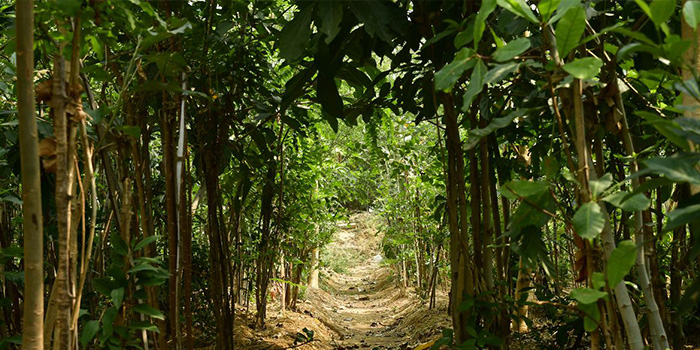
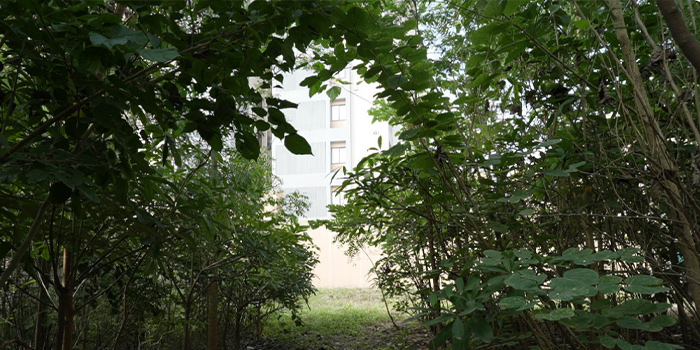
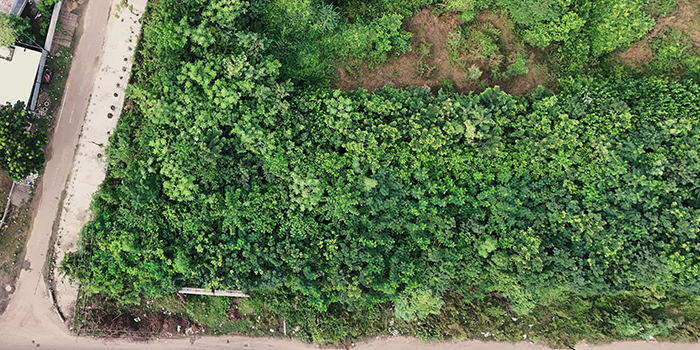
A professionally developed urban forest can transform underutilized land into a healthy ecological asset while improving the surrounding landscape. Strategic afforestation also supports soil restoration by rebuilding organic matter, improving water retention, and creating better conditions for long-term plant growth.
Afforestation focuses on developing new forest areas on unused and degraded land through planned ecological systems. It works to restore greenery, improve biodiversity, and rebuild natural balance using scientific plantation methods. These organizations carefully select native species and design long-term growth strategies to ensure healthy forest development. A carbon credit plantation India approach is often integrated to measure environmental impact and support emission reduction goals through verified green projects.
Such companies also contribute to large-scale environmental restoration by supporting carbon offset plantation India initiatives that balance industrial carbon output. Many projects are linked with miyawaki method forest development, which helps create dense and fast-growing green zones. Their operations strengthen corporate social responsibility CSR by aligning industrial growth with environmental responsibility. In addition, they support net zero carbon consultancy India and ensure compliance with ESG compliance India and BRSR reporting India frameworks for transparent sustainability tracking.
Importance of Afforestation in Modern India
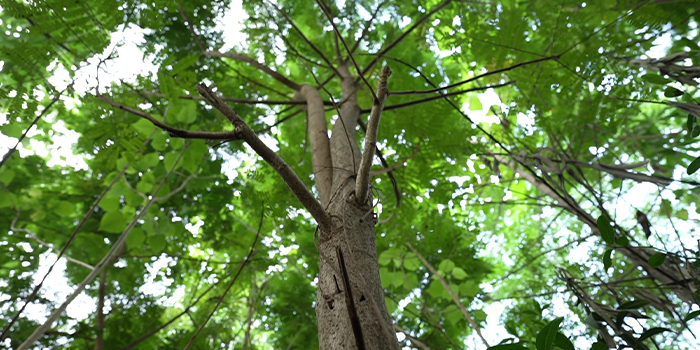
Well-planned afforestation can increase tree density in areas where natural green cover has declined. The use of suitable native and fast growing trees can accelerate canopy development while supporting local biodiversity and creating healthier ecosystems.
Soil restoration goes hand in hand with afforestation because healthy soil is essential for long-term forest growth. Restoring soil structure, organic matter, and moisture retention can create better conditions for plants and beneficial microorganisms. Over time, established vegetation can further support soil stability by reducing erosion and adding organic material through leaf litter and natural decomposition.
1. Climate Change Mitigation and Environmental Balance
The role of afforestation is crucial in reducing the impact of climate change by increasing green cover and restoring ecological stability. Large-scale plantation efforts help absorb carbon dioxide, regulate temperature, and improve overall environmental balance in rapidly urbanizing regions. These initiatives also support long-term sustainability planning across industries and communities.
2. Pollution Control and Air Quality Improvement
With rising industrialization, air pollution has become a major concern. Projects like carbon credit plantation India help reduce harmful emissions by creating measurable green impact zones. Dense plantation models such as Miyawaki forest India further improve oxygen levels and reduce airborne pollutants in both urban and semi-urban areas.
3. Soil Health and Biodiversity Restoration
Effective soil restoration creates a stronger foundation for native vegetation, microorganisms, and wildlife to thrive. As the ecosystem develops, improved biodiversity makes the forest more resilient and contributes to a healthier natural landscape.
4. Corporate Responsibility and Sustainability Integration
Businesses can include plantation projects within their corporate social responsibility CSR initiatives to create measurable environmental and community benefits. Developing an urban forest can become a visible sustainability initiative while supporting long-term carbon offset objectives.
5. Net Zero and Long-Term Green Strategy
Advanced planning under net zero carbon consultancy India guides companies toward carbon neutrality. These strategies integrate plantation projects into long-term climate action plans, ensuring measurable environmental impact and sustainable growth.

How an Afforestation Works
A professional green development firm begins its process with detailed land evaluation and ecological planning before starting any plantation activity. The first step involves studying soil quality, water availability, and climate conditions to ensure the land is suitable for long-term forest growth. Based on this assessment, experts design a structured plantation model that supports sustainable ecosystem development. Many projects are linked with carbon credit plantation company frameworks, where environmental impact is measured and converted into verified carbon benefits for industries and organizations. And help in fast growing trees.
After planning, the execution phase includes selecting native species, preparing the land, and implementing systematic plantation techniques. Modern projects often integrate Miyawaki afforestation techniques to create dense and fast-growing forest zones in limited space. Continuous monitoring, irrigation planning, and survival tracking ensure long-term success. These operations also support carbon offset plantation India goals, helping organizations balance emissions while improving ecological restoration outcomes effectively.
Role in Carbon Credit and Carbon Offset Projects
A scientifically managed plantation can function as a long-term carbon offset initiative by capturing atmospheric carbon as trees mature. Maintaining appropriate tree density and species diversity is important for developing stable plantations with measurable ecological value.
Modern environmental service providers play a key role in transforming plantation activities into measurable climate benefits through structured carbon systems. A major part of this work is handled by a carbon credit plantation company, where tree growth is scientifically tracked and converted into verified carbon units. These credits can be traded or used by industries to balance their emissions, making plantation efforts both environmentally and economically valuable. Such systems encourage large-scale participation in green development projects across multiple sectors.
Along with this, initiatives like carbon credit plantation India are widely adopted to support national and global emission reduction targets. These projects measure how much carbon dioxide is absorbed by plantations over time and translate it into actionable environmental data. At the same time, carbon offset plantation India programs help industries neutralize their carbon footprint by investing in verified afforestation activities. This dual approach strengthens climate responsibility while promoting sustainable land use practices.
Afforestation vs Reforestation: Key Differences
1. Land Condition and Project Starting Point
Afforestation is the process of developing forest cover on land that has remained non-forested or barren for a long time, focusing on creating entirely new ecosystems. In contrast, reforestation works on restoring areas that were previously forested but have been degraded due to deforestation or natural damage. Projects linked with Miyawaki forest India are often classified under afforestation because they convert unused land into dense green zones using planned ecological methods. Both approaches contribute to environmental recovery but differ mainly in land history and starting conditions.
2. Environmental Goals and Practical Application
Afforestation aims to expand overall green cover by introducing forests in new regions, while reforestation focuses on recovering lost forest density and ecological function. In many carbon credit plantation India programs, afforestation is used to generate new carbon sinks, whereas reforestation strengthens existing ecosystems. Similarly, carbon offset plantation India initiatives apply both methods depending on environmental targets. Together, they support climate balance, but afforestation plays a stronger role in land transformation and long-term ecosystem creation.
Contribution to Corporate Sustainability (CSR)
An urban forest project can be incorporated into a company’s corporate social responsibility CSR strategy to support greener communities and environmental improvement. Such projects can combine afforestation, employee engagement, and ecological restoration to create meaningful sustainability outcomes beyond conventional plantation drives.
Modern industries are increasingly adopting structured environmental initiatives through corporate social responsibility CSR , where green responsibility becomes part of long-term business strategy. Plantation programs supported by afforestation help organizations reduce environmental impact while improving brand value and ecological accountability. These activities are often integrated into CSR frameworks, where companies invest in large-scale tree plantation drives that support climate balance, biodiversity growth, and cleaner urban environments. Such efforts also strengthen community engagement by promoting greener surroundings.
At the same time, companies align their sustainability goals with ESG compliance India and BRSR reporting India, ensuring transparent environmental performance tracking. Many organizations also collaborate with a carbon credit plantation company to convert plantation outcomes into measurable carbon benefits. These initiatives are further supported by net zero carbon consultancy India, helping businesses plan long-term emission reduction strategies. Overall, CSR-based afforestation projects create a strong link between business growth and environmental responsibility.
Use of miyawaki method forest in Afforestation Projects
A Miyawaki method forest uses closely planted native species to develop a multi-layered forest ecosystem within a relatively small area. Its high tree density encourages natural competition among plants and can help establish a dense green zone more rapidly than many conventional plantation models.
A carefully planned Miyawaki method forest may include suitable fast growing trees alongside other native species to create multiple vegetation layers. This approach supports biodiversity by providing varied habitats and contributes to the ecological improvement of the surrounding area.
1. Dense Native Forest Development Approach
The Miyawaki forest India approach focuses on creating dense and multi-layered forest ecosystems using native plant species. This method is designed to replicate natural forests in a shorter time span by planting a high number of trees in a limited area. It is widely used by afforestation to transform degraded land into self-sustaining green zones that support biodiversity and long-term ecological balance.
2. Fast Growth and Rapid Green Cover
One of the major strengths of the Miyawaki afforestation technique is its rapid growth rate compared to traditional plantation methods. Trees planted using this approach grow faster due to soil enrichment, close spacing, and natural competition. This helps in quickly achieving green cover, especially in urban and industrial regions where environmental restoration is urgently required.
3. Climate and Carbon Reduction Benefits
Projects using carbon credit plantation India frameworks often integrate the miyawaki method forest to maximize carbon absorption in a short period. The dense vegetation structure helps in capturing more carbon dioxide, making it effective for carbon offset plantation India goals. This method also improves air quality and reduces urban heat effects significantly.
4. Urban Sustainability and Environmental Balance
The Miyawaki approach supports corporate sustainability India initiatives by creating green spaces within cities and industrial zones. It aligns with ESG compliance India requirements and supports net zero carbon consultancy India strategies. These forests improve soil health, enhance biodiversity, and contribute to long-term environmental stability in rapidly growing urban areas.
Benefits of Hiring a Professional Afforestation Company
Professional planning ensures that fast growing trees are selected according to local soil, rainfall, climate, and ecological requirements rather than growth speed alone. Experts can also incorporate soil restoration measures before plantation to improve survival rates and support healthier long-term forest development.
Hiring an expert team for large-scale plantation projects ensures accurate planning, scientific execution, and long-term environmental success. A carbon credit plantation company follows structured processes such as land assessment, soil analysis, and native species selection to develop stable green ecosystems. This reduces project failure risk and improves plantation efficiency. Professional execution also ensures that every green zone develops into a self-sustaining environment that supports biodiversity and ecological balance over time.
Another major advantage is improved plant survival and consistent growth through advanced methods like the Miyawaki afforestation technique. Skilled teams ensure proper soil preparation, irrigation management, and continuous monitoring, which leads to faster forest development even in challenging landscapes. These services also support carbon credit plantation India projects by maintaining long-term plantation health for verified carbon benefits. Additionally, they help organizations achieve corporate sustainability India goals while ensuring compliance with ESG compliance India and BRSR reporting India frameworks, supporting overall net zero carbon consultancy India strategies.
Urban Forest Development and Green Infrastructure
A well-designed landscape can integrate dense plantation areas with existing urban infrastructure to improve environmental quality without compromising functional land use. A professionally developed urban forest can provide shade, support wildlife, reduce local heat, and create a more balanced relationship between built and natural environments.
Urban forest development is becoming a key strategy for improving environmental quality in rapidly expanding cities. A professional afforestation company designs green spaces within urban zones to reduce pollution levels and enhance ecological balance. These forests are planned using high-density plantation models that improve oxygen levels, reduce heat intensity, and create natural cooling zones. Projects like Miyawaki Method forest are widely used in cities because they transform small land parcels into dense green ecosystems that grow quickly and support biodiversity.
Green infrastructure development also plays a major role in strengthening sustainable urban living. These initiatives support carbon credit plantation India programs by increasing carbon absorption capacity within city environments. They also contribute to carbon offset plantation India efforts by balancing emissions from industries and transportation systems. Such projects align with corporate sustainability India goals, helping organizations invest in greener surroundings. Additionally, they support net zero carbon consultancy India strategies by integrating environmental planning into urban development frameworks.
Challenges Faced in Large-Scale Afforestation
1. Land Availability and Legal Constraints
Large-scale plantation projects often face difficulties in acquiring suitable land due to urban expansion and competing land-use demands. An afforestation must deal with regulatory approvals, ownership issues, and land suitability assessments before starting any project. These challenges can slow down implementation, especially in densely populated or industrial regions where available land is limited and highly expensive.
2. Climate, Soil, and Environmental Limitations
Environmental conditions play a major role in plantation success. Unpredictable rainfall, poor soil quality, and extreme temperatures can affect plant survival rates. Even advanced systems like Miyawaki forest India require proper soil preparation and maintenance to ensure success. Without suitable ecological conditions, achieving long-term green cover and sustainable growth becomes more complex and resource-intensive.
3. Maintenance and Long-Term Sustainability Issues
Sustaining plantations over time is another major challenge, as newly developed forests require continuous care, monitoring, and protection. Many projects linked with carbon credit plantation India depend on long-term survival of trees for verified environmental benefits. Lack of maintenance can reduce project efficiency and impact outcomes related to carbon offset plantation India, making ongoing management a critical factor for success.
Technologies Used in Modern Afforestation Projects
Modern green development projects are increasingly supported by advanced technologies that improve accuracy, planning, and long-term monitoring. Afforestation organizations now use digital tools to analyze land conditions, map plantation zones, and plan ecosystem layouts more efficiently. These technologies help reduce errors in plantation design and ensure that every project is scientifically structured for maximum environmental impact. Data-driven planning also improves survival rates and overall forest sustainability in challenging environments.
One of the most important innovations is drone-based monitoring, which allows real-time tracking of plantation growth and health. This is widely used in carbon credit plantation India projects to verify plantation progress and ensure transparency in carbon reporting. Satellite imaging and GIS mapping also help in assessing land suitability and vegetation density. These tools support large-scale environmental planning and improve decision-making for long-term sustainability outcomes.
Soil testing tools and smart irrigation systems further enhance plantation success by maintaining proper nutrient balance and water management. Such technologies are essential for carbon offset plantation India initiatives and also strengthen net zero carbon consultancy India strategies by ensuring measurable and sustainable ecological performance.
Future of Afforestation Companies in India
As businesses strengthen their corporate social responsibility CSR commitments, professionally managed plantation projects are likely to become an important part of environmental investment. Companies may increasingly use such projects to support carbon offset strategies while creating measurable ecological and community value.
The Miyawaki method forest model can also support future urban greening programs where limited land requires dense and carefully planned plantation. When combined with appropriate native species and scientific management, these projects can contribute to greener and more resilient cities.
The future of environmental restoration services is set to expand significantly as climate action becomes a national and global priority. Afforestation will increasingly act as a core driver of large-scale ecological transformation by combining scientific planning, advanced monitoring, and sustainable land-use strategies. Demand for structured green development will rise across urban, industrial, and rural landscapes, leading to more organized and measurable plantation ecosystems that support long-term environmental stability.
With growing policy support and corporate participation, initiatives like carbon credit plantation India and carbon offset plantation India will continue to gain strong momentum. These programs will help industries reduce emissions while contributing to national climate goals. Advanced models such as Miyawaki forest India will play a key role in rapid urban greening, while rising focus on corporate sustainability India, ESG compliance India, and BRSR reporting India will encourage wider adoption of professional environmental solutions. The integration of net zero carbon consultancy India will further strengthen India’s transition toward a carbon-neutral future.
Conclusion
Environmental restoration is no longer an optional effort but a necessary step for long-term ecological stability. A professional afforestation plays a key role in reshaping degraded landscapes into productive green ecosystems through planned and scientific plantation approaches. These efforts not only restore natural balance but also improve air quality, strengthen soil health, and support biodiversity growth across urban and rural regions.
With the rising importance of climate responsibility, solutions like carbon credit plantation India and carbon offset plantation India are becoming essential tools for industries and institutions. Advanced models such as Miyawaki forest India are accelerating urban greening, while frameworks like corporate sustainability India, ESG compliance India, BRSR reporting India, and net zero carbon consultancy India are shaping a more accountable and sustainable future for businesses and the environment.
FAQs
1. What is afforestation?
Afforestation focuses means developing new forests on unused or degraded land through planned plantation and long-term maintenance. Harmony Urban Forest supports large-scale afforestation and ecosystem restoration projects across different regions.
2. How does afforestation work in India?
Afforestation works by selecting suitable land, improving soil conditions, planting native trees, and maintaining them until a stable forest ecosystem is formed. Harmony Urban Forest follows structured plantation planning to ensure long-term survival of forests.
3. What is carbon credit plantation in India?
Carbon credit plantation in India involves planting trees that absorb carbon dioxide, which is then measured and converted into carbon credits. Harmony Urban Forest helps design and manage plantation projects for carbon reduction goals.
4. How do companies earn carbon credits from trees?
Companies earn carbon credits by planting and maintaining trees that reduce carbon emissions over time. These reductions are verified and converted into tradable credits with support from projects managed by Harmony Urban Forest.
5. What is the Miyawaki forest method in India?
The miyawaki method forest is a technique for growing dense native forests in small spaces with fast growth. Harmony Urban Forest uses this method for urban greening and biodiversity restoration projects.
6. What is the cost of afforestation in India?
The cost of afforestation in India depends on land size, soil condition, plantation type, irrigation, and maintenance needs. Harmony Urban Forest provides customized plantation planning based on project requirements.
7. How does carbon offset plantation work?
Carbon offset plantation balances industrial emissions by planting trees that absorb equivalent carbon dioxide. Harmony Urban Forest supports organizations in building carbon offset and sustainability programs.
8. How long does it take to grow a forest in India?
Forest growth depends on the plantation method. Miyawaki forests grow faster in a few years, while traditional forests take longer. Harmony Urban Forest ensures proper monitoring for long-term forest development.
9. What is ESG compliance in afforestation projects?
ESG compliance ensures environmental, social, and governance standards are followed in plantation projects. Harmony Urban Forest helps organizations align afforestation efforts with ESG reporting and sustainability goals.
10. What is net zero carbon consultancy in India?
Net zero carbon consultancy helps organizations reduce emissions and achieve carbon neutrality through structured plantation and sustainability strategies. Harmony Urban Forest supports companies in achieving long-term net zero targets.
Afforestation company India
1. What is an Afforestation Company in India?
- Meaning and core purpose
- Role in environmental restoration
2. Importance of Afforestation in Modern India
- Climate change impact
- Urban pollution control
- Soil and biodiversity improvement
3. How an Afforestation Company Works
- Planning and land assessment
- Native species selection
- Plantation execution process
4. Role in Carbon Credit and Carbon Offset Projects
- Carbon sequestration concept
- Revenue generation through credits
5. Afforestation vs Reforestation: Key Differences
- Simple comparison
- When each approach is used
6. Contribution to Corporate Sustainability (CSR)
- Tree plantation CSR India initiatives
- ESG and sustainability reporting benefits
7. Use of miyawaki method forest in Afforestation Projects
- Dense native forest concept
- Fast growth advantages
8. Benefits of Hiring a Professional Afforestation Company
- Expert execution
- Higher survival rate of plants
- Long-term maintenance support
9. Urban Forest Development and Green Infrastructure
- City cooling effect
- Air quality improvement
10. Challenges Faced in Large-Scale Afforestation
- Land availability issues
- Climate and soil constraints
- Maintenance difficulties
11. Technologies Used in Modern Afforestation Projects
- Drone monitoring
- Soil testing tools
12. Future of Afforestation Companies in India
- Government support
- Private sector growth
- Net zero goals
Related Posts