An urban forest is more than a group…
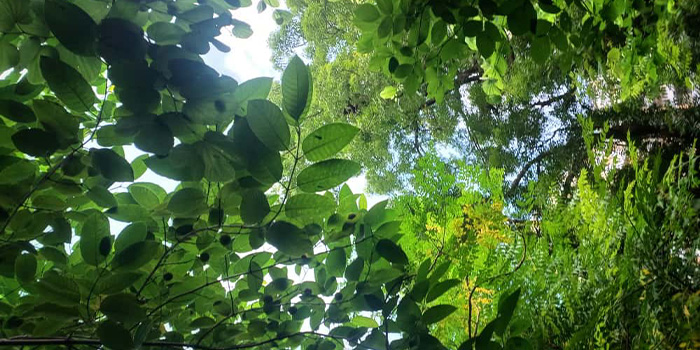
Harmony Urban Forest: Miyawaki Method Forest Guide
The Miyawaki method forest approach is becoming an effective solution as industrial companies have transformed cities into centers of economic growth, but it has also created serious environmental challenges. Increasing pollution, rising temperatures, shrinking green spaces, and the loss of biodiversity are affecting the quality of life in both metropolitan and developing urban areas. As cities continue to expand, the need for innovative and sustainable environmental solutions has become more important than ever.
This is where Harmony Urban Forest plays a significant role. As an urban forest plantation company, Harmony Urban Forest focuses on creating dense, self-sustaining forests using the internationally recognized Miyawaki Method Forest Instead of planting a few trees along roadsides or in parks, the organization develops thriving native forests that grow rapidly, improve biodiversity, absorb carbon dioxide, and contribute to healthier communities.
An urban forest can also become an important part of a city’s long-term environmental planning by bringing natural vegetation closer to residential and industrial areas. Such projects can improve the overall landscape while creating greener surroundings for local communities.
A well-planned Miyawaki method forest can combine native vegetation, suitable tree density, and natural growth patterns to create a stronger ecological environment within limited urban spaces.
Today, many businesses, educational institutions, industries, residential communities, and government organizations are looking for reliable solutions to achieve corporate sustainability India, improve environmental performance, and contribute toward climate action. Through scientific planning and the Miyawaki afforestation technique, Harmony Urban Forest helps organizations create green landscapes that serve both environmental and social purposes.
For companies, these projects can also support corporate social responsibility CSR objectives by converting unused land into productive green spaces. The approach allows businesses to connect their CSR activities with measurable environmental improvement.
Whether the objective is restoring biodiversity, supporting ESG compliance in India, creating a natural carbon sink India, or implementing tree plantation CSR India initiatives, Harmony Urban Forest provides a sustainable approach that delivers measurable long-term environmental benefits.
What is Harmony Urban Forest?
Harmony Urban Forest is an organization dedicated to transforming unused or underutilized land into dense native forests using the scientifically proven Miyawaki plantation technique. Rather than focusing on conventional landscaping, the organization works towards rebuilding complete ecosystems that can flourish independently over time. As an experienced Miyawaki method forest consultant India, Harmony Urban Forest carefully studies each project location before beginning plantation. Every site has different soil conditions, climatic factors, rainfall patterns, and native vegetation. Instead of applying a single solution everywhere, the organization develops customized plantation strategies that suit the local environment.
Their work extends beyond simply planting trees. They create ecosystems designed to support birds, butterflies, insects, microorganisms, and native wildlife. Every project contributes to improving air quality, increasing groundwater retention, reducing urban temperatures, and strengthening local biodiversity.
The right tree density is selected according to the site’s ecological requirements so that plants can grow together while developing healthy root systems. This planning also helps fast growing trees establish a strong canopy without compromising the balance of the surrounding vegetation.
Harmony Urban Forest also supports organizations working toward corporate sustainability India by developing forests that contribute to environmental goals, CSR initiatives, and long-term sustainability programs. Their expertise makes them a trusted urban forest consultant India for businesses, industries, educational institutions, residential communities, and government agencies seeking meaningful environmental impact.
As a leading afforestation provider, Harmony Urban Forest helps organizations restore ecological balance while creating greener, healthier spaces for future generations.
Its approach to afforestation focuses on restoring ecological functions rather than simply increasing the number of planted trees. This makes every project more useful for long-term soil restoration and habitat development.
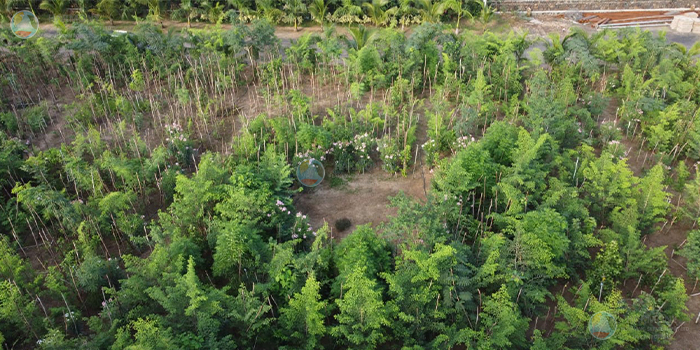
Understanding Urban Forests and Why They Matter
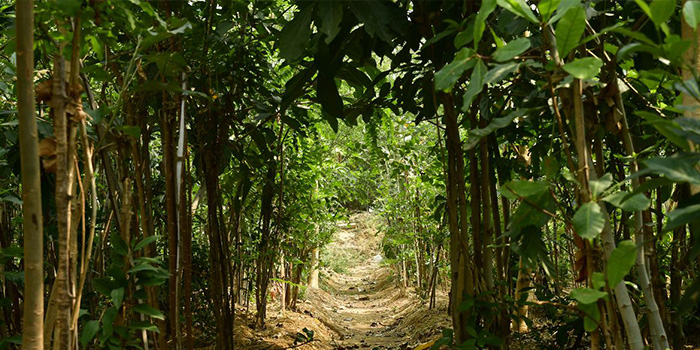
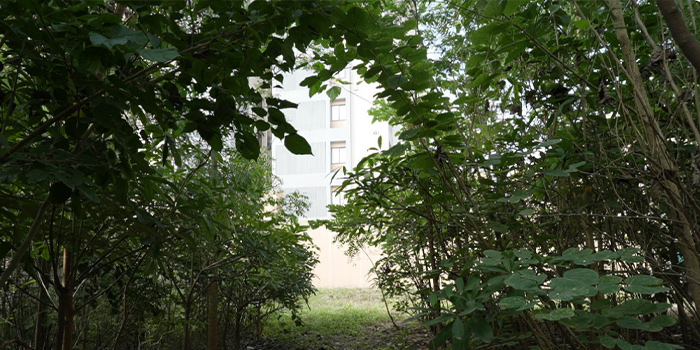
Many people assume that an urban forest is simply a park filled with trees. In reality, an urban forest is a carefully designed ecosystem made up of native tree species, shrubs, and ground vegetation that work together to recreate the structure and functions of a natural forest.
When planned correctly, an urban forest can improve the visual landscape of a city while providing shade, habitat, and better environmental conditions. It can also turn neglected spaces into useful ecological areas.
Unlike decorative gardens, urban forests are created with ecological restoration in mind. Every plant has a role within the ecosystem, allowing the forest to grow naturally while supporting biodiversity and improving environmental conditions.
Modern cities face several environmental challenges, including rising temperatures caused by the urban heat island effect, poor air quality, excessive carbon emissions, declining groundwater levels, and habitat destruction. Urban forests directly address these issues by restoring natural ecosystems within developed areas.
A dense native forest absorbs carbon dioxide from the atmosphere and stores it within tree biomass, making it an effective natural carbon sink India. This process supports carbon sequestration India, helping reduce greenhouse gases while improving local environmental conditions.
A carbon offset initiative supported by responsible plantation can complement wider emission-reduction efforts when the forest is scientifically planned and maintained. Such projects can provide organizations with a practical way to connect environmental restoration with climate commitments.
Urban forests also improve rainfall infiltration by allowing water to penetrate deep into the soil instead of flowing away as surface runoff. Healthy soil retains moisture for longer periods, reducing erosion and improving groundwater recharge.
Soil restoration is another important part of developing healthy forest ecosystems because improved soil structure helps roots access water and nutrients. Organic matter and natural decomposition can gradually improve the quality of degraded land.
Another major advantage is biodiversity restoration. Native forests provide food and shelter for birds, butterflies, bees, insects, reptiles, and beneficial microorganisms that often disappear from urban environments. This ecological balance strengthens the resilience of local ecosystems and supports long-term environmental sustainability.
Higher biodiversity also makes the landscape more attractive and ecologically useful by creating different habitats within the same plantation area.
As cities continue expanding, organizations like Harmony Urban Forest are becoming increasingly important because they provide practical solutions for restoring nature within urban landscapes through scientifically designed plantations.
What is the Dr. Akira Miyawaki Method?
The Dr. Akira Miyawaki method India is a scientifically developed afforestation technique created by the renowned Japanese botanist Dr. Akira Miyawaki. His research focused on understanding how native forests naturally develop and how degraded land could be restored into thriving ecosystems within a relatively short period.
Unlike traditional plantation methods that often involve planting a limited number of tree species with wide spacing, the Miyawaki afforestation technique recreates the complexity of natural forests by planting multiple indigenous species closely together. This dense plantation encourages healthy competition among plants, leading to faster vertical growth and stronger root systems.
One of the biggest strengths of the Miyawaki method is its emphasis on native species. Since indigenous trees are naturally adapted to local climate, soil, and rainfall conditions, they require fewer external resources after the initial establishment period. This makes the resulting forest more resilient, sustainable, and capable of supporting local biodiversity.
The technique also focuses on creating multiple vegetation layers, similar to those found in mature natural forests. Tall canopy trees, medium-sized trees, shrubs, and ground vegetation grow together, forming a balanced ecosystem where each layer contributes to soil health, moisture conservation, and wildlife habitat.
Compared to conventional plantations, Miyawaki method forest often grows significantly faster and becomes self-sustaining within a few years. Once established, these forests require minimal maintenance while continuing to provide long-term environmental benefits such as carbon absorption, oxygen production, temperature regulation, and biodiversity enhancement.
The combination of fast growing trees and carefully selected native species helps the forest develop a protective canopy within a shorter period. This growth pattern is supported by appropriate tree density and layered planting.
Because of these advantages, the Miyawaki method has become one of the most trusted approaches for indigenous tree plantation India, urban ecological restoration, and sustainable landscape development.
A Miyawaki method forest can therefore serve as both an ecological restoration project and a practical green infrastructure solution for organizations with limited land availability.
How Harmony Urban Forest Develops a Miyawaki Method Forest
Creating a successful Miyawaki method forest involves much more than planting trees. Every project follows a carefully planned scientific process designed to ensure healthy forest growth and long-term sustainability. Harmony Urban Forest combines ecological research, local biodiversity knowledge, and environmental planning to develop forests that closely resemble natural ecosystems.
1. Site Assessment and Land Evaluation
Every successful forest begins with understanding the land. Before any plantation work starts, Harmony Urban Forest conducts a comprehensive site assessment to evaluate the area’s physical and environmental conditions.
This includes studying soil type, drainage patterns, sunlight availability, existing vegetation, water sources, land slope, and climatic conditions. The purpose is to understand how the land naturally behaves and identify any challenges that could affect tree growth.
This evaluation also helps determine which native species are best suited for the location, ensuring that the future forest develops in harmony with its surroundings.
2. Analysis and Improvement of Soil
Healthy forests require healthy soil. In many urban and industrial locations, soil has become compacted, nutrient-deficient, or contaminated due to years of construction and human activity.
Harmony Urban Forest conducts detailed soil analysis to understand its structure, nutrient content, organic matter, and water-holding capacity. Based on these findings, the soil is enriched using natural organic materials such as compost, biomass, and other eco-friendly amendments.
Effective soil restoration creates better conditions for microorganisms and root development, giving young plants a stronger foundation during the early stages of forest establishment.
Improving soil quality encourages stronger root development, enhances microbial activity, and creates a fertile environment where native trees can establish themselves quickly.
3. Selection of Native Tree Species
One of the defining characteristics of the Miyawaki method is the exclusive use of native tree species. Instead of introducing ornamental or exotic plants, Harmony Urban Forest selects trees that naturally belong to the region.
These species have adapted to local environmental conditions over centuries, making them more resistant to drought, pests, diseases, and seasonal climate variations.
A diverse mix of indigenous tree plantation India not only improves forest resilience but also creates habitats for native birds, insects, pollinators, and other wildlife. This diversity is essential for building a healthy ecosystem that can sustain itself naturally over time.
4. Scientific Plantation Design
After selecting suitable species, the plantation layout is designed to imitate the structure of a natural forest. Trees are grouped into different ecological layers, including canopy trees, sub-canopy trees, shrubs, and ground vegetation.
Rather than planting trees in straight rows, the plantation follows a random natural pattern. This arrangement improves sunlight distribution, supports healthy competition, and encourages the development of a balanced ecosystem.
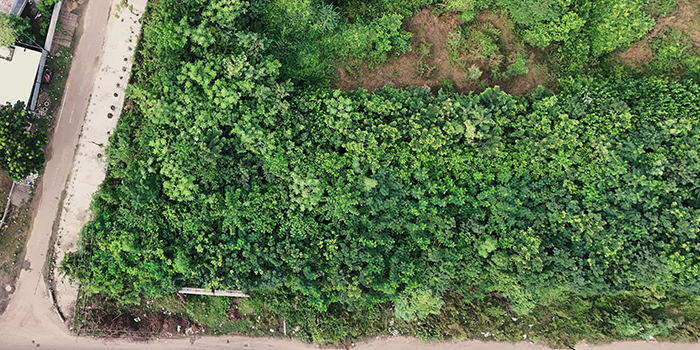
The dense plantation design also allows the forest to utilize available land efficiently, making it an ideal solution for urban environments where space is often limited.
The planned tree density ensures that each layer receives adequate space for healthy development while maintaining the compact structure required for rapid forest formation.
5. Dense Plantation and Initial Care
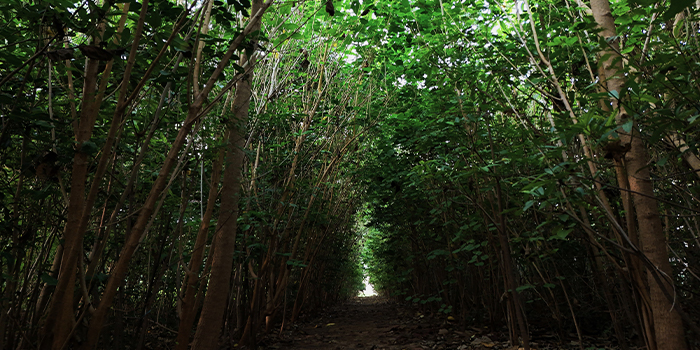
Once the site is prepared, the trees are planted at a much higher density than traditional plantations. This close spacing encourages rapid upward growth as each tree competes for sunlight while simultaneously protecting the soil from excessive heat and moisture loss.
After plantation, organic mulching is applied around the young trees to conserve moisture, suppress weed growth, and improve soil health. During the first two to three years, regular watering and monitoring are carried out to help the forest establish itself successfully.
As the root systems strengthen and the ecosystem matures, the forest gradually becomes self-sustaining, requiring little to no human intervention while continuing to deliver long-term environmental benefits.
Why Harmony Urban Forest’s Work is Important
The environmental challenges facing India today are growing at an unprecedented rate. Rapid urban development, industrial expansion, and increasing population have significantly reduced natural green spaces. As cities expand, concrete structures replace forests, resulting in poor air quality, higher temperatures, reduced biodiversity, and increased carbon emissions. These environmental changes not only affect nature but also impact public health, water resources, and the overall quality of life.
Harmony Urban Forest addresses these challenges by creating dense native forests using the Miyawaki Method Forest India. Their work goes beyond tree plantation—it focuses on restoring complete ecosystems that provide lasting environmental value. Every forest they develop contributes to cleaner air, healthier soil, improved biodiversity, and greater climate resilience.
Through planned afforestation, previously unused or degraded areas can become productive green zones that support ecological recovery. These projects can also improve the surrounding landscape and create visible environmental benefits for nearby communities.
For organizations, these forests have become an important part of corporate sustainability India initiatives. Companies today are expected to reduce their environmental footprint while demonstrating responsible business practices. Urban forests help organizations meet these expectations by supporting long-term environmental goals and creating measurable sustainability outcomes.
Corporate social responsibility CSR programs can use these plantation projects to create a direct connection between business contributions and environmental restoration. This approach gives CSR activities a lasting ecological purpose beyond one-time community initiatives.
The forests also contribute to carbon sequestration in India, where trees absorb carbon dioxide from the atmosphere and store it within their biomass. This natural process helps reduce greenhouse gas concentrations and supports global efforts to address climate change. As a result, organizations working toward carbon offset plantation India projects or net zero carbon consultancy India strategies increasingly recognize urban forests as a practical solution.
A carefully monitored carbon offset project can also combine tree plantation with broader sustainability measures, helping organizations communicate their environmental efforts more clearly.
Harmony Urban Forest also supports businesses preparing for ESG compliance in India and BRSR reporting India. Investors, customers, and regulatory bodies now place greater emphasis on environmental performance, making biodiversity restoration and sustainable land development valuable assets for modern organizations.
Beyond corporate applications, these forests improve the quality of life for surrounding communities. Cleaner air, lower temperatures, improved groundwater recharge, reduced noise pollution, and enhanced biodiversity create healthier environments for everyone. Their work demonstrates that environmental restoration can produce benefits that extend far beyond the boundaries of the plantation site.
The Power of the Miyawaki Method
The Miyawaki method has gained global recognition because it successfully recreates natural forests in areas where conventional plantation methods often struggle. Instead of focusing only on the number of trees planted, the technique concentrates on rebuilding entire ecosystems capable of sustaining themselves for decades.
One of the greatest strengths of the Miyawaki afforestation technique is its rapid growth. Because native trees are planted densely, they naturally compete for sunlight, encouraging faster vertical growth. This competition allows the forest to establish much more quickly than traditional plantations, which often leave large spaces between trees.
Fast growing trees can quickly develop canopy cover when they are combined with suitable native species and the right planting conditions. Their early growth helps create a more favorable microclimate for younger vegetation.
Another powerful advantage is biodiversity. Rather than relying on one or two species, Miyawaki method forest includes numerous native trees that occupy different ecological layers. Tall trees, medium-height trees, shrubs, and ground vegetation all work together to create a balanced ecosystem that supports birds, insects, butterflies, pollinators, and beneficial microorganisms.
The dense plantation also creates a cooler microclimate. Thick vegetation shades the ground, helping retain soil moisture and reduce surrounding temperatures. This is especially valuable in urban areas where concrete surfaces absorb and retain heat throughout the day.
The method is also highly efficient in terms of land use. Even relatively small plots can be transformed into thriving forests because the dense planting arrangement maximizes available space. This makes the Miyawaki method ideal for schools, industrial campuses, corporate offices, residential communities, government land, and other urban environments.
Another important advantage is long-term sustainability. After the initial maintenance period, the forest gradually becomes self-sufficient. The trees create their own organic matter through falling leaves, improving soil fertility naturally while reducing the need for fertilizers or intensive maintenance.
These characteristics make Miyawaki method forest one of the most effective solutions for creating dense native forest India ecosystems capable of delivering environmental benefits for generations.
Benefits of Harmony Urban Forest Projects
Harmony Urban Forest creates forests that deliver measurable environmental, social, and commercial benefits. Unlike traditional plantations, these projects are designed to become self-sustaining ecosystems that continue providing value long after they are established.
1. Improved Air Quality
Dense native forests naturally absorb pollutants and release oxygen, creating cleaner and healthier air for surrounding communities.
2. Effective Carbon Sequestration
Every growing forest functions as a natural carbon sink in India, helping reduce atmospheric carbon dioxide through continuous carbon sequestration.
3. Biodiversity Restoration
As a trusted biodiversity restoration company, Harmony Urban Forest develops ecosystems that attract birds, butterflies, bees, insects, and native wildlife, restoring ecological balance in urban landscapes.
4. Reduced Urban Heat
Dense tree canopies lower surrounding temperatures by providing shade and reducing heat absorption, helping minimize the urban heat island effect.
5. Better Soil Health
Organic mulching, native vegetation, and natural decomposition improve soil fertility while increasing beneficial microbial activity.
6. Improved Water Retention
Healthy forest soil absorbs rainfall more efficiently, reducing runoff and supporting groundwater recharge.
7. Long-Term Sustainability
Once established, Miyawaki method forest requires minimal maintenance while continuing to grow naturally for decades.
8. Support for Corporate Sustainability
Organizations can strengthen their corporate sustainability India initiatives through scientifically developed urban forests that create measurable environmental impact.
9. Support for Carbon Offset Programs
Businesses looking to implement carbon credit plantation India or carbon offset plantation India projects can use urban forests as part of broader climate action strategies.
These carbon offset projects can be planned alongside emission-reduction activities to create a more complete approach to corporate climate responsibility.
10. Stronger Community Well-being
Green spaces encourage healthier lifestyles, improve mental well-being, reduce stress, and provide educational opportunities related to environmental conservation.
Key Features of Harmony Urban Forest
Harmony Urban Forest follows a scientific and environmentally responsible approach that distinguishes its projects from conventional tree plantation programs.
Scientific Planning
Every project begins with detailed land evaluation, soil analysis, and ecological planning before plantation begins.
Native Species Selection
Only region-specific trees are selected, ensuring long-term adaptability and stronger ecosystem development through indigenous tree plantation India.
Multi-Layer Forest Structure
Different categories of trees are planted together to replicate the complexity of natural forests.
Dense Plantation Design
The close spacing of trees encourages rapid growth while maximizing land utilization.
Soil Enrichment
Organic materials improve soil fertility and support healthy root development without relying on chemical treatments.
Biodiversity Focus
Every forest is designed to support insects, birds, butterflies, pollinators, and beneficial microorganisms.
Faster Forest Development
The Miyawaki approach enables forests to establish much more quickly than conventional plantation methods.
Climate Resilience
Native forests naturally withstand local climatic conditions better than non-native plantations.
Low Maintenance
After establishment, forests become largely self-sustaining and require very little human intervention.
Measurable Environmental Impact
Each project contributes toward carbon reduction, biodiversity improvement, environmental restoration, and sustainable land management.
Why Harmony Urban Forest Combines Environmental, Social, and Commercial Sustainability
One of the unique strengths of Harmony Urban Forest is its ability to create value across multiple dimensions. Their projects are not limited to environmental conservation-they also generate meaningful social and commercial outcomes that benefit organizations and communities alike.
From an environmental perspective, every forest contributes to cleaner air, healthier ecosystems, improved biodiversity, carbon absorption, groundwater conservation, and climate resilience. These benefits support long-term ecological restoration while helping create greener cities.
Socially, urban forests improve public health and community well-being by providing cleaner surroundings, reducing temperatures, lowering noise pollution, and creating pleasant green spaces. Educational institutions can use these forests to teach students about environmental conservation, while residential communities enjoy healthier living environments.
For businesses, corporate social responsibility CSR can become more meaningful when funding supports living ecosystems that continue to deliver benefits over many years. Such projects can also strengthen a company’s connection with its local community and environmental goals.
Commercially, organizations gain valuable sustainability assets that strengthen their environmental commitments. Urban forests support ESG compliance in India, assist with BRSR reporting in India, enhance corporate reputation, and demonstrate responsible environmental stewardship to investors, customers, employees, and regulatory authorities.
Many businesses pursuing net-zero carbon consultancy in India programs also integrate urban forests into their long-term sustainability strategies. These plantations contribute to climate action while supporting broader environmental objectives and responsible business practices.
As environmental regulations continue to evolve, organizations increasingly recognize that sustainability is not only a social responsibility but also an important component of long-term business success. Harmony Urban Forest helps bridge this gap by creating forests that generate measurable environmental impact while supporting commercial sustainability goals.
Conclusion
Urban forests are becoming an essential part of building healthier, more sustainable cities. As climate change, pollution, and biodiversity loss continue to challenge urban environments, simply planting trees is no longer enough. What cities need are complete ecosystems that can grow naturally, support wildlife, improve environmental quality, and continue delivering benefits for decades.
Harmony Urban Forest addresses this need by using the scientifically proven Dr. Akira Miyawaki method in India to create dense native forests that restore ecological balance and maximize environmental impact. Every project contributes to cleaner air, carbon sequestration, biodiversity restoration, groundwater conservation, and climate resilience while creating greener spaces for future generations.
For organizations, these forests provide more than environmental value. They strengthen corporate sustainability initiatives in India, support ESG compliance in India, contribute to BRSR reporting in India, and align with broader climate goals such as carbon credit plantation company programs, carbon offset plantation in India, and long-term net-zero strategies.
By combining afforestation with soil restoration, native species selection, and ecological planning, these projects can create healthier ecosystems instead of isolated tree plantations. The resulting landscape can provide environmental and social value for many years.
Whether the objective is restoring degraded land, implementing tree plantation CSR in India, improving biodiversity, or building sustainable communities, Harmony Urban Forest demonstrates how scientific afforestation can create lasting environmental benefits in cleaner cities, healthier ecosystems, and a more sustainable future for generations to come.
Frequently Asked Questions (FAQs)
1. What is Harmony Urban Forest?
Harmony Urban Forest is an urban forest plantation company that develops dense native forests using the Dr. Akira Miyawaki method in India. The organization focuses on restoring ecosystems, improving biodiversity, reducing carbon emissions, and also helping organizations achieve their long-term sustainability goals through scientific afforestation.
2. What does Harmony Urban Forest actually do?
Harmony Urban Forest plans, designs, and develops urban forests by conducting site assessments, improving soil quality, selecting native tree species, and creating self-sustaining ecosystems. As a Miyawaki method forest consultant in India and an urban forest consultant in India, the organization also supports businesses, institutions, and communities with afforestation and sustainability projects.
3. What are the benefits of Harmony Urban Forest’s work?
Their forests improve air quality, enhance biodiversity, support carbon sequestration in India, reduce urban temperatures, increase groundwater recharge, strengthen ecosystems, and contribute to corporate sustainability initiatives in India. These projects also support CSR activities and environmental reporting requirements.
4. What results does the Miyawaki plantation process deliver?
The Miyawaki method creates dense native forests that grow rapidly and become self-sustaining after the initial maintenance period. These forests work as natural carbon sink ecosystems, improve biodiversity, restore degraded land, and provide long-term environmental benefits while requiring minimal ongoing maintenance.
5. Why is urban afforestation necessary today?
Urban afforestation helps combat climate change, air pollution, biodiversity loss, and rising city temperatures. By developing native forests in urban areas, organizations can restore ecological balance, improve environmental quality, and create healthier spaces for future generations while contributing to national sustainability goals.
It can also support soil restoration and improve the landscape quality of areas where natural vegetation has been reduced by construction or industrial activity.
6. Why does Harmony Urban Forest combine both social and commercial sustainability?
Harmony Urban Forest creates projects that also benefit the environment, communities, and businesses simultaneously. Their forests improve people’s health, biodiversity, and climate resilience while helping organizations achieve ESG compliance in India, BRSR reporting in India, tree plantation CSR in India, and long-term sustainability objectives. This balanced approach ensures that environmental responsibility also creates measurable social and commercial value.
Related Posts