An afforestation company India plays an important role…
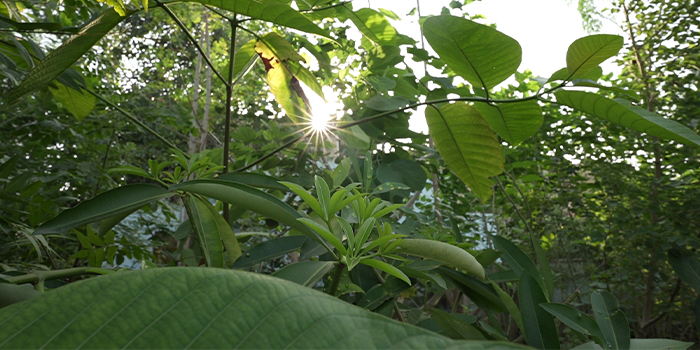
Miyawaki Method : Smart Solution for Urban Afforestation
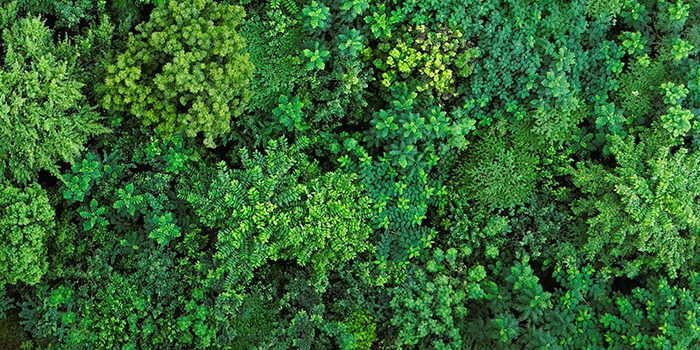
India is entering a phase where environmental responsibility defines long-term development. Organizations are actively adopting corporate sustainability strategies to balance growth with ecological protection. Rising pollution levels, climate imbalance, and shrinking green zones have created an urgent need for innovative plantation models. The Miyawaki forest concept has emerged as a powerful solution that transforms unused land into thriving ecosystems.
This model is based on the Dr Akira Miyawaki method , which focuses on creating compact forests using native vegetation. With support from a professional Miyawaki forest consultant , businesses and communities can develop high-density green spaces that deliver measurable environmental impact.
Importance of Miyawaki Forests in Modern India
Environmental conservation is no longer limited to rural landscapes. Urban regions require immediate ecological restoration to maintain balance. The Miyawaki afforestation technique provides an effective approach to rebuild greenery in cities where space is limited.
Such plantations play a crucial role in creating a natural carbon sink, helping reduce environmental stress caused by industrial emissions. They also support carbon offset plantation initiatives, allowing organizations to contribute to climate action
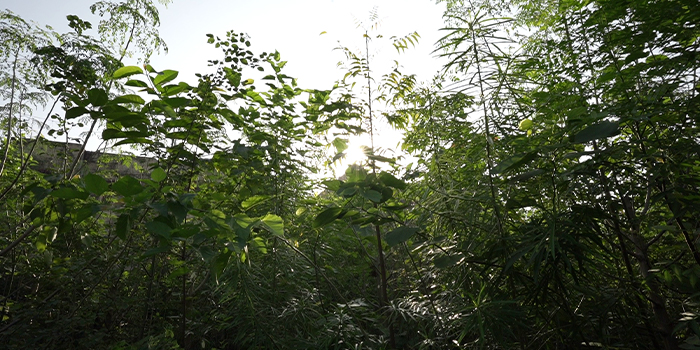
Expertise Behind Successful Miyawaki Forest Projects
Creating a dense forest requires scientific planning and professional execution. A skilled Miyawaki forest consultant brings knowledge of soil science, species selection, and ecological design to ensure project success.
Collaboration with a reliable biodiversity restoration company enhances plantation quality and ensures alignment with environmental standards. These experts also help organizations meet net zero carbon consultancy goals by integrating plantation strategies into long-term sustainability plans.
A well-executed project by an experienced afforestation company in India ensures high survival rates, faster growth, and long-term ecological stability. With guidance from an expert urban forest consultant, these forests can be developed in corporate campuses, residential areas, and public spaces, making them essential for future-ready urban living.
Why Specific Plants Are Selected in Miyawaki Forests
Plant selection plays a critical role in the success of any forest project. The method focuses on indigenous tree plantation, ensuring that species are naturally suited to the local climate and soil conditions.
Native plants grow more efficiently, require less maintenance, and support local biodiversity. This approach helps create a dense native forest that is resilient and self-sustaining. By selecting diverse species across multiple layers, the plantation mimics natural ecosystems and strengthens environmental balance.
Proper selection guided by a Miyawaki forest consultant ensures that each plant contributes to the overall ecosystem, improving survival rates and ecological performance.
Advanced Growing Process of Miyawaki Forests
1. Land Evaluation and Planning
Every project begins with detailed analysis of soil quality, moisture levels, and environmental conditions. This step ensures that the plantation is designed according to site-specific requirements.
2. Soil Enrichment and Preparation
The soil is improved using organic materials to enhance fertility, water retention, and aeration. This preparation supports faster root development and long-term growth.
3. Multi-Layer Species Design
Plants are selected and arranged in layers such as shrubs, sub-trees, big trees and canopy trees. This structure helps form a natural ecosystem similar to a tropical wild forest.
4. High-Density Plantation
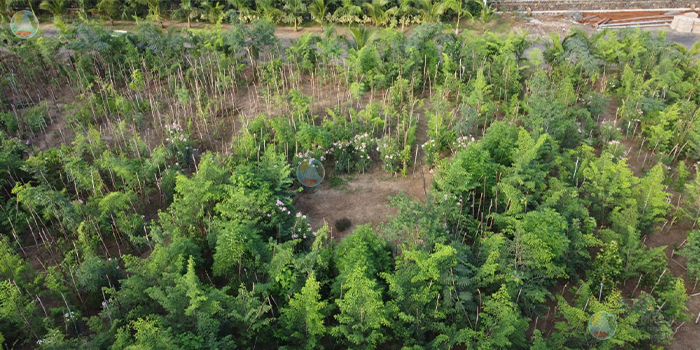
Saplings are planted closely with a density of 3-4 trees per square meters to encourage competition for sunlight, resulting in rapid vertical growth and stronger plant development.
5. Monitoring and Early Care
Regular watering, de-weeding and and observation are carried out during the initial phase to ensure healthy establishment and growth stability.
6. Self-Sustaining Forest Formation
After a few years, the plantation becomes independent and evolves into a fully functional ecosystem requiring minimal maintenance.
Key Benefits of Miyawaki Forests
1. Rapid Ecosystem Development
Vegetation established through this approach matures quickly, converting open land into a thriving green ecosystem within a short duration while supporting natural habitat formation.
2. Enhanced Carbon Absorption
Such forests act as a strong natural carbon sink, supporting carbon sequestration and reducing overall emissions. Their dense structure increases biomass, enabling efficient carbon capture.
3. Improved Air Quality
Thick greenery filters airborne pollutants and releases oxygen continuously, creating a healthier environment, especially in urban surroundings.
4. Biodiversity Enrichment
Planting an indigenous tree plantation mix attracts birds, insects, and micro-organisms, restoring ecological connections and strengthening environmental balance.
5. Urban Heat Reduction
Dense foliage lowers surface temperature by providing shade and maintaining soil moisture, improving climate conditions in surrounding areas.
Major Advantages for Businesses and Communities
1. Strong ESG Performance
Projects contribute directly to ESG compliance, helping organizations achieve sustainability targets and demonstrate environmental responsibility.
2. Support for BRSR Reporting
Structured plantation initiatives generate measurable data that can be included in BRSR reporting, improving transparency and accountability.
3. CSR Impact Enhancement
Green initiatives strengthen tree plantation CSR programs by delivering visible environmental and social impact.
4. Carbon Credit Opportunities
Partnership with a carbon credit plantation company supports carbon credit plantation, enabling organizations to offset emissions effectively.
5. Space Optimization
Even compact land areas can be transformed into productive ecosystems, making this method ideal for urban development projects.
Future Growth and Long-Term Value
Miyawaki forests are not just short-term solutions; they offer long-lasting environmental benefits. These plantations continue to grow stronger over time, increasing their ecological value and carbon absorption capacity.
Urban forests contribute significantly to carbon offset plantation strategies and strengthen long-term climate commitments. Organizations adopting this approach gain both environmental and strategic advantages, making it a key component of modern sustainability planning.
Conclusion
The Miyawaki forest model represents a future-ready approach and a strong ecological solution which strongly supports corporate sustainability by helping organizations achieve ESG compliance in India and improve BRSR reporting, while also delivering measurable impact through carbon sequestration and the development of a natural carbon sink. With expert guidance from a Miyawaki forest consultant and execution by a reliable afforestation company, these plantations contribute to carbon offset plantation goals and strengthen tree plantation CSR initiatives.
FAQs
1. What is Miyawaki forest and its purpose?
The Miyawaki forest model is a dense urban plantation method designed to quickly restore green cover in limited land areas. Its main purpose is to support corporate sustainability by improving environmental balance, reducing pollution, and developing self-sustaining green ecosystems in cities and industrial zones.
2. How does the Miyawaki afforestation technique differ from traditional planting?
The Miyawaki afforestation technique uses closely spaced native species instead of single-row plantations. This creates natural competition among plants, leading to faster growth, stronger root systems, and quicker formation of a stable and resilient ecosystem compared to traditional forestry methods.
3. Can Miyawaki forests support ESG goals?
Yes, Miyawaki forests strongly contribute to ESG compliance by improving environmental performance indicators. They help organizations demonstrate real sustainability efforts, enhance reporting transparency, and support long-term ecological responsibility through measurable green impact.
4. What is the role of a Miyawaki forest consultant?
A Miyawaki forest consultant provides end-to-end expertise including site analysis, native species selection, plantation design, and maintenance planning. Their role ensures successful forest development with long-term ecological stability and maximum environmental benefit.
5. Are these forests useful for carbon reduction?
Yes, Miyawaki forests significantly support carbon sequestration by absorbing carbon dioxide through dense vegetation. They function as a strong natural carbon sink, helping reduce emissions and improve overall climate balance in urban and industrial areas.
6. Which sectors can invest in such projects?
Industries like manufacturing, IT parks, pharma, infrastructure, and government bodies can collaborate with an afforestation company for such projects. These initiatives support CSR, sustainability targets, and long-term environmental development goals effectively.
7. How do Miyawaki forests improve biodiversity?
Miyawaki forests create a dense native forest ecosystem that attracts birds, insects, and micro-organisms. By using indigenous tree plantation, they restore natural habitats and strengthen ecological balance in urban environments.
Related Posts