The landscape of corporate social responsibility is undergoing…
CSR Funds: Transforming Pharma Pollution into Sustainable Tree Projects
The pharmaceutical industry plays a vital role in safeguarding human health, driving medical innovation, and supporting global well-being. From vaccines and life-saving drugs to over-the-counter medicines, the sector’s contributions are indispensable. However, alongside its benefits, the pharma industry also generates environmental challenges. Production processes, chemical waste, and effluent discharge can lead to air, water, and soil pollution. These impacts are not just environmental—they also affect communities, ecosystems, and the long-term sustainability of the industry itself.
Today, companies are increasingly expected to take responsibility for their environmental footprint. Society, regulators, and investors emphasize Corporate Social Responsibility (CSR), encouraging businesses to contribute to sustainable development. CSR is no longer just a compliance requirement; it is a strategic pathway for industries to demonstrate accountability, enhance reputation, and promote a sustainable future.
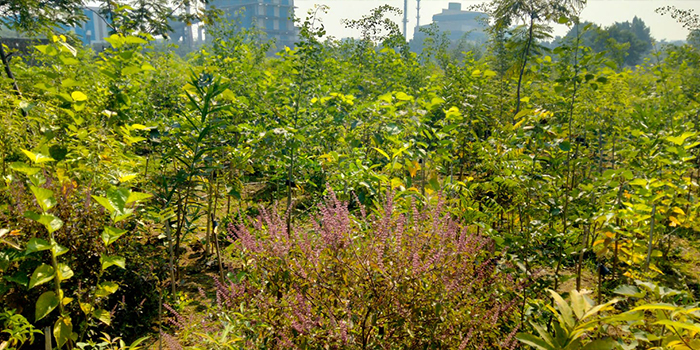
One of the most effective CSR initiatives available today is tree plantation. Planting trees is a practical, visible, and long-term solution to mitigate pollution, absorb carbon emissions, and restore ecological balance. By integrating green CSR initiatives into their operations, pharmaceutical companies can transform their environmental impact, earn carbon credits, and demonstrate a commitment to social and ecological responsibility.
Harmony Architects provides tailored tree plantation and urban forest services for pharmaceutical industries, helping them use their CSR funds efficiently. Our approach ensures that tree plantation initiatives not only benefit the environment but also strengthen a company’s reputation and compliance with sustainability standards.
The Pollution Challenge in the Pharma Industry
While the pharmaceutical sector is essential for global health, its manufacturing processes can be a source of environmental pollution. Chemical solvents, active pharmaceutical ingredients, and wastewater byproducts often contain harmful substances that can affect water bodies, soil quality, and air quality. Without mitigation measures, these pollutants can lead to regulatory penalties, community dissatisfaction, and reputational harm for companies.
Implementing CSR programs focused on environmental sustainability can effectively address these challenges. Among various options, planting trees stands out as an impactful, scalable, and socially engaging solution. Trees act as natural filters for pollutants, absorb carbon dioxide, and provide habitat for wildlife, creating a visible impact for local communities.
Why Tree Plantation is a Strategic CSR Activity
Tree plantation goes beyond a symbolic environmental gesture—it provides measurable benefits for pharmaceutical companies and society:
- Carbon Sequestration: Trees absorb carbon dioxide and other greenhouse gases, helping companies offset industrial emissions and earn carbon credits.
- Environmental Restoration: Tree plantation improves air quality, reduces soil erosion, and promotes biodiversity, addressing the ecological impact of pharmaceutical production.
- Community Engagement: CSR-driven tree plantation projects can involve employees, local residents, and schools, fostering community goodwill and shared environmental responsibility.
- Regulatory Compliance: Many regions encourage or require green CSR initiatives. Tree plantation helps pharma companies meet environmental obligations and sustainability goals.
- Reputation and Brand Value: A visible commitment to environmental responsibility positions pharmaceutical companies as ethical, forward-thinking, and socially conscious, boosting brand credibility.
- Employee Participation: Tree plantation projects offer employees a hands-on way to engage with CSR, increasing morale, loyalty, and workplace satisfaction.
How Harmony Architects Facilitates CSR Tree Plantation
At Harmony Architects, we specialize in designing and executing tree plantation and urban forest initiatives specifically for industrial clients, including pharmaceutical companies. Our methodology ensures that CSR funds are deployed efficiently and sustainably:
- Needs Assessment & Planning: We assess the available land, local ecology, and community requirements to create an optimized plantation plan.
- Native Species Selection: We choose indigenous tree species suitable for the local climate, ensuring ecological balance and high survival rates.
- Planting & Care: From sapling selection to soil preparation and plantation, our team oversees every step, ensuring trees thrive for long-term benefits.
- Monitoring & Reporting: Companies receive detailed monitoring reports, helping them track progress, demonstrate CSR compliance, and claim carbon credits.
- Community Involvement: We encourage industries to include employees and local communities in planting activities, making CSR programs socially impactful.
Maximizing CSR Fund Utilization
One of the challenges for pharmaceutical companies is ensuring that their CSR funds are used effectively. Tree plantation is a proven way to maximize social, environmental, and financial returns from CSR investments. Companies can:
- Reduce the environmental impact of industrial operations
- Earn carbon credits for emissions offset
- Build positive public and stakeholder perception
- Engage employees and local communities meaningfully
By investing CSR funds in tree plantation, pharmaceutical companies can align regulatory compliance with long-term sustainability objectives.
Green CSR Initiatives for the Pharma Industry
Tree plantation is just one aspect of green CSR initiatives. Other strategies include:
- Reducing emissions from production processes
- Treating wastewater before disposal
- Promoting energy efficiency and renewable energy
- Supporting local environmental awareness programs
Among these, tree plantation offers tangible benefits: it is visible, measurable, and creates a lasting environmental legacy.
Long-Term Benefits of Tree Plantation
For pharmaceutical companies, planting trees is a strategic decision with multiple long-term advantages:
- Carbon Footprint Reduction: Trees absorb CO₂, helping companies offset pollution and earn carbon credits.
- Enhanced Community Relations: Local populations benefit from cleaner air, greener surroundings, and participation in CSR activities.
- Reputation Building: Eco-friendly initiatives strengthen the brand and increase stakeholder trust.
- Regulatory Compliance: Tree plantation helps meet environmental CSR requirements efficiently.
Planting trees is not only a responsible action but also an investment in a sustainable future. It reflects a company’s long-term vision for environmental stewardship and social accountability.
Success Stories of Pharma CSR Tree Plantation
Several pharmaceutical companies have successfully implemented CSR-focused tree plantation projects:
- Thousands of trees planted in urban and semi-urban areas, improving air quality and aesthetics
- Active participation of employees and local communities in plantation drives
- Recognition for green CSR initiatives and sustainable business practices
- Generation of carbon credits, which support sustainability reporting
These initiatives demonstrate that tree plantation can be both environmentally impactful and strategically beneficial for pharmaceutical companies.
Conclusion
The pharmaceutical industry faces a dual responsibility: advancing healthcare while protecting the environment. Pollution from industrial activities can threaten both ecosystems and public health, making proactive CSR initiatives essential.
Tree plantation represents a practical, measurable, and high-impact solution. By leveraging CSR funds for plantation and urban forest services, pharmaceutical companies can:
- Mitigate pollution and industrial emissions
- Earn carbon credits
- Engage communities and employees
- Strengthen corporate reputation
- Contribute to a sustainable future
Harmony Architects offers specialized services to help pharmaceutical companies convert CSR goals into tangible environmental outcomes. Our expertise ensures that tree plantation projects are sustainable, impactful, and aligned with corporate objectives.
In today’s environmentally-conscious world, proactive CSR strategies like tree plantation are essential. Companies that act today not only improve their brand and compliance but also leave a lasting environmental legacy.
Invest in tree plantation today, and cultivate a sustainable future for generations to come.
FAQs
1. What is CSR in the pharmaceutical industry?
CSR is a company’s commitment to reduce environmental impact, support communities, and promote sustainability through activities like tree plantation and green initiatives.
2. How can tree plantation help pharma companies with CSR goals?
Tree plantation offsets emissions, improves air quality, engages communities, and strengthens a company’s CSR profile and overall reputation.
3. What are carbon credits, and how are they earned?
Carbon credits are earned when trees absorb CO₂, helping pharma companies offset industrial emissions and demonstrate environmental responsibility.
4. Why should pharma companies use CSR funds for tree plantation?
Using CSR funds for tree plantation reduces pollution, generates carbon credits, engages communities, and contributes to a sustainable future.
5. How do green CSR initiatives benefit the environment and the company?
Green CSR initiatives reduce pollution, conserve resources, promote biodiversity, and improve reputation, employee engagement, and stakeholder trust.
6. What services does Harmony Architects provide for pharma CSR projects?
Harmony Architects plans, executes, and monitors tree plantation projects, ensuring CSR funds are used effectively and carbon credits are earned.
7. Can tree plantation enhance a pharma company’s reputation?
Yes. Tree plantation demonstrates environmental responsibility, community engagement, and positions the company as a sustainable, ethical, and forward-thinking organization.
8. How does tree plantation contribute to a sustainable future?
Trees absorb carbon, release oxygen, and support ecosystems, helping pharmaceutical companies combat climate change and promote long-term sustainability.
9. Are there regulatory benefits to planting trees as CSR?
Yes. Tree plantation ensures compliance with environmental regulations and supports earning carbon credits for sustainability reporting.
10. How can pharma companies ensure the success of plantation projects?
Success requires proper planning, selecting native species, regular maintenance, monitoring growth, and involving employees and local communities.
Related Posts