An urban forest is more than a group…
Miyawaki Method Forest: Urban Forest, CSR & Afforestation
Today, companies are judged not just by profits, but also by the positive impact they make on people and the planet. Urban Forest has become one of the most impactful corporate social responsibility CSR initiatives a company can invest in. Planting trees and creating microforests helps reduce carbon, cool the surrounding microclimate, improve air and water quality, and provide green spaces for employees and the surrounding community. Beyond environmental benefits, forest projects send a clear message to customers, partners, and regulators that a company takes its responsibility seriously.
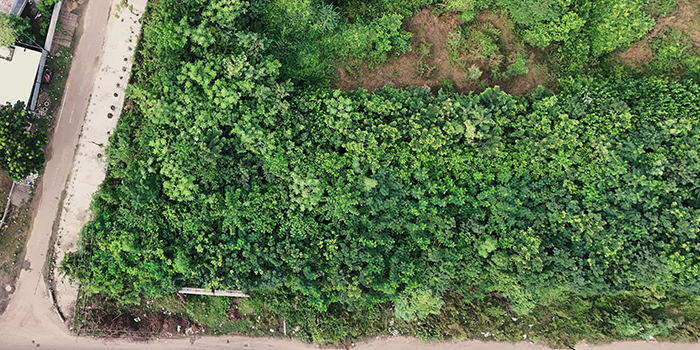
The Miyawaki Method Forest is particularly beneficial for businesses because it quickly and reliably creates dense, native forests, even on small or degraded land, such as industrial campuses, unused plots, or urban areas. Unlike large monoculture plantations, Miyawaki forests plant numerous native species together to grow in a multi-layered ecosystem. For companies pursuing net-zero pathways, biodiversity goals, or CSR stories of action, investing in Miyawaki forests is a practical, high-impact initiative that delivers significant environmental returns and long-term positive public sentiment.
What is the Miyawaki Method Forest ?
The Miyawaki method forest approach is especially effective for developing an urban forest where available land is limited but ecological benefits are highly valuable.Proper soil restoration before plantation helps create favorable conditions for native plants, while suitable tree density allows the forest to develop its natural layered structure.
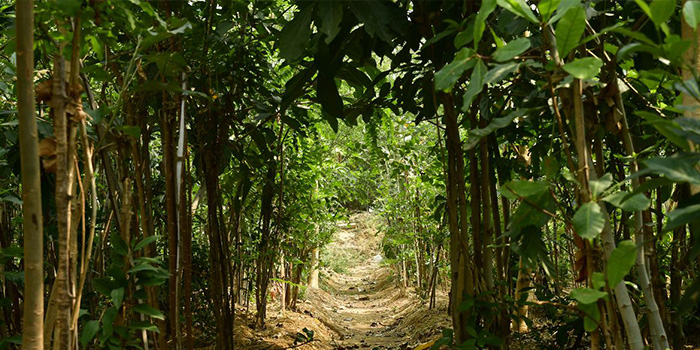
The Miyawaki Method is a planting technique developed by Japanese botanist Dr. Akira Miyawaki. It focuses on restoring native forest ecosystems by planting a mixture of indigenous tree and shrub species very close together. The idea is to mimic how a natural forest would assemble, using many species across different height layers — groundcover, shrubs, small trees, and tall canopy species — so that the plants support each other and grow into a functioning forest faster than standard plantations.
Key features include careful site preparation (soil enrichment and removal of weeds), selection of local native species, high-density planting, and intensive care during the first two to three years. After this initial period, the planted area becomes largely self-sustaining. Miyawaki forests typically develop faster, become denser, and support more biodiversity than conventional single-species plantations. For urban, industrial, and community settings, the method produces resilient green pockets that deliver environmental and social benefits in a compact footprint.
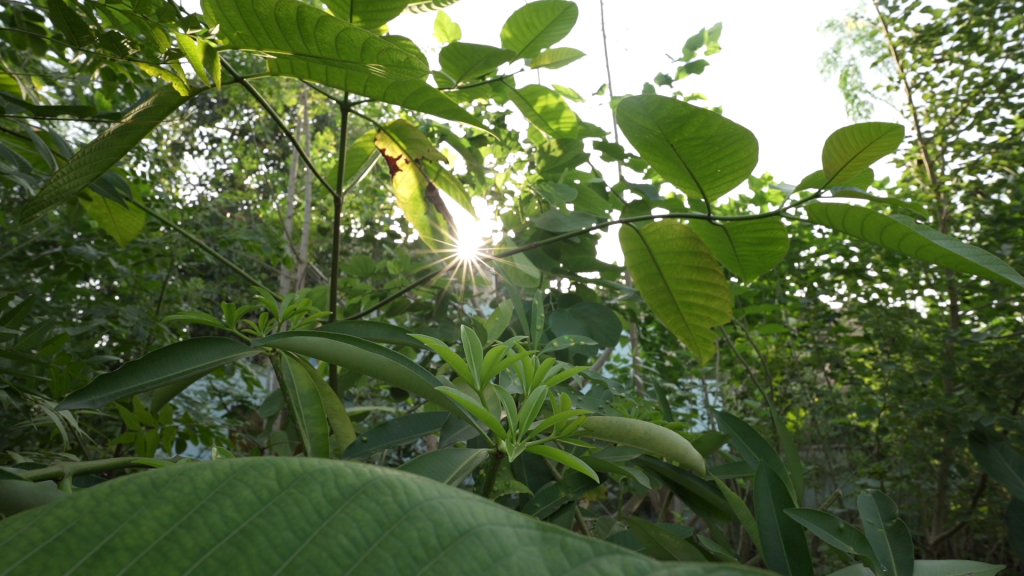
Advantages of the Miyawaki Method
The selection of suitable fast growing trees can help establish early green cover while maintaining a diverse mix of native species. This combination makes the Miyawaki method forest a practical option for organizations looking to accelerate urban afforestation projects.
Grows trees 10x faster than conventional plantation
One of the most celebrated benefits of the Miyawaki Method is speed. Because species are planted densely and selected to be native and complementary, young trees grow more quickly than they would when spaced widely or planted as single-species rows. Close planting encourages competition and mutual support — roots exploit the soil well, and canopy layers form rapidly. Intensive early care (weeding, mulching, watering) accelerates growth during the critical establishment years. As a result, a Miyawaki forest can reach a mature structure in a fraction of the time required by traditional plantations, delivering visible green cover and ecosystem services much sooner. For companies, that faster growth means quicker carbon sequestration, faster biodiversity benefits, and earlier, tangible results to show stakeholders.
Creates dense, multi-layered forests in a small area
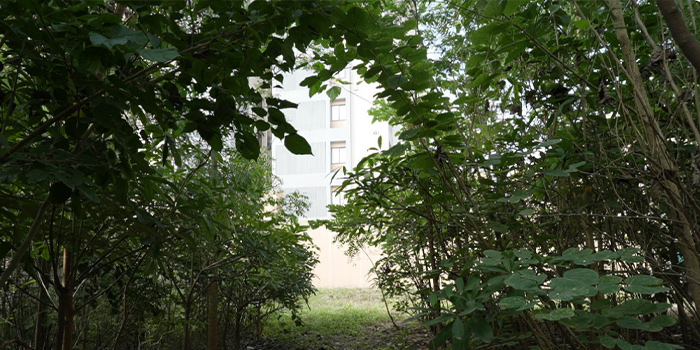
High tree density allows more plant species to grow within a limited area and helps create a compact urban forest with multiple vegetation layers. This carefully designed landscape can provide valuable habitat while making better ecological use of otherwise unused corporate land.
Miyawaki plantings are designed to recreate a natural forest’s vertical complexity within a small footprint. By mixing species of different heights and ecological roles, the plot develops multiple layers — ground layer, shrub layer, sub-canopy, and canopy — in a compact space. This layering increases the number of niches for insects, birds, and small mammals, and it improves the forest’s resilience to pests and weather extremes. For businesses with limited land, the method offers a way to convert small patches of unused space into genuinely functional forests rather than sparse tree lines. The result is high-impact green cover that maximizes ecological value per square meter.
Improves air quality and reduces CO₂ levels effectively
Dense plantings capture particulate matter and absorb gaseous pollutants while trees and shrubs take up carbon dioxide during photosynthesis. Because Miyawaki forests achieve high leaf area quickly, they are effective at filtering dust and airborne pollutants in nearby areas. The rapid growth and concentrated biomass also mean more carbon is sequestered sooner compared with slower plantations. For industrial sites or urban locations where air quality is a concern, a Miyawaki forest creates a living filter that reduces local pollution exposure and contributes to a company’s carbon reduction accounting. Over time, the accumulated biomass stores carbon in wood, roots, and soil — a lasting climate benefit.
Restores local biodiversity with native plants, birds, and insects
Increasing biodiversity is an important outcome of native plantation because different plant species can support a wider range of birds, insects, and other organisms. A diverse landscape created through scientific afforestation can therefore contribute to long-term ecological restoration.
Using native species is central to the Miyawaki approach, which supports the return of local flora and fauna. Native trees and shrubs provide food, shelter, and breeding habitats for insects, birds, and small animals adapted to the region. As the planted site develops diverse vegetation layers, pollinators and birdlife are attracted, leading to a thriving micro-ecosystem. This restoration of biodiversity helps reconnect fragmented habitats and supports broader ecological networks near industrial zones or urban areas. For companies interested in biodiversity offsets or habitat restoration, Miyawaki forests are a practical way to reintroduce native species and create lasting ecological value.
Requires low maintenance once established
A key strength of the Miyawaki Method is that its maintenance needs drop dramatically after the early years. Intensive care — watering, mulching, and protection from grazing or weeds — is provided only during the first two to three years while seedlings establish roots and canopy. After that, the dense, self-shading structure suppresses weeds naturally, and the forest becomes self-regulating. This low long-term maintenance reduces the ongoing cost and operational burden for companies. For CSR programs, it means the initial investment yields a near-permanent green asset with relatively modest upkeep needs, freeing resources for other sustainability initiatives.
Reduces heat, noise, and dust pollution in nearby areas
Compact, multi-layered forests created by the Miyawaki Method act as effective environmental buffers. Vegetation cools air through shade and evapotranspiration, reducing local surface and air temperatures — a measurable advantage near heat-generating industrial facilities. Thick foliage and layered plantings also dampen noise by absorbing and deflecting sound waves, improving the acoustic environment for workers and nearby residents. Moreover, dense leaves and branches trap airborne dust and particulates, reducing their spread from operational or traffic sources. Together, these effects enhance the livability of industrial zones and create health and comfort benefits for employees and communities.
Provides natural water conservation and improved soil health
Effective soil restoration can improve water absorption, nutrient availability, and root development during the early stages of plantation. These improvements help the forest establish stronger vegetation and increase the long-term resilience of the urban forest.
Miyawaki forests improve the local water cycle and soil structure in several ways. Mulch and leaf litter increase water infiltration and reduce surface runoff, allowing more rainwater to reach the root zone and recharge groundwater. Dense root systems stabilize soil, reduce erosion, and increase organic matter as roots and leaves decompose. The method’s focus on native species helps rebuild local soil microbiomes and nutrient cycles, improving soil fertility over time. For companies, this means rehabilitating degraded land, reducing stormwater management costs, and supporting on-site ecosystems that are more resilient to drought and erosion.
Who Needs Carbon Credit by Tree Plantation / Forest Creation
Companies may consider verified forestry projects as part of a broader carbon offset strategy while continuing to prioritize direct emission reductions. Scientifically planned afforestation can provide measurable carbon sequestration along with additional environmental benefits.
Pharma Industries
Pharmaceutical companies operate under strict regulatory scrutiny and face growing stakeholder demand for transparent sustainability actions. By investing in verified tree plantations and Miyawaki forests, pharma firms can offset part of their operational emissions and demonstrate measurable climate action. Tree-based carbon projects support supply chain reporting and product stewardship claims, while also providing green buffers around labs and manufacturing units that improve local air quality and worker well-being. Additionally, forests near facilities can enhance corporate social responsibility programs by creating community green spaces and partnerships with local conservation groups, aligning health-focused missions with environmental stewardship.
Chemical Industries
Chemical manufacturers often have substantial emissions and land-use impacts. Carbon credits from professionally managed plantations help chemicals companies balance residual emissions they cannot eliminate immediately. Miyawaki forests are especially useful because they can be established on small, unused parcels within industrial complexes, transforming brownfield or buffer areas into dense, native woodland. Such projects contribute to environmental compliance, improve local air and soil conditions, and support biodiversity. Demonstrating investment in green infrastructure also strengthens relationships with regulators, customers, and downstream partners who increasingly expect sustainable practices in chemical supply chains.
Fossil Fuel Industries
Fossil fuel companies are under intense pressure to transition and mitigate their carbon footprint. While decarbonization of operations is critical, carbon sequestration through high-quality plantations remains an important complementary strategy. Miyawaki forests offer a credible route to generate carbon credits that can offset scope 1 and scope 2 residual emissions during the energy transition. Because the method yields rapid biomass accumulation and long-term carbon storage, it can form part of a diversified offset portfolio. Additionally, forest projects located near facilities can improve local environmental conditions and contribute to community-focused reclamation efforts after operational closure.
Manufacturing Industries
Manufacturers across sectors produce emissions and often have available peripheral land around factories or warehouses. Planting Miyawaki-style forests in these spaces provides an efficient way to sequester carbon, reduce pollution exposure for workers, and create attractive green zones that boost morale. Carbon credits from verified afforestation projects help manufacturers meet voluntary and regulatory sustainability targets while improving ESG reporting. Beyond credits, these forests support stormwater control and can reduce cooling loads for nearby buildings. For manufacturers aiming to show measurable environmental progress, tree plantation projects combine practical operational benefits with credible climate action.
Transportation Industries
Transportation firms — whether logistics providers, shipping companies, or public transit operators — face scope 3 emissions challenges tied to fuel use and vehicle fleets. Purchasing or generating carbon credits through reputable plantation projects helps these companies address emissions they can’t eliminate immediately. Establishing Miyawaki forests near terminals, depots, or along transport corridors provides local environmental benefits such as reduced dust and improved air quality for workers and communities. Moreover, these green projects create visible proof of commitment to climate goals for customers and regulators, and they can be integrated into broader sustainability programs that include fleet electrification and efficiency improvements.
Benefits of Forest Creation to Industries
A verified carbon offset project requires appropriate documentation, monitoring, and adherence to the relevant carbon standard. Where eligible, an urban forest project can support corporate climate strategies while also delivering biodiversity and land-restoration benefits.
Helps companies earn Carbon Credits through verified plantations
Well-planned and independently verified forestry projects produce registrable carbon credits that industries can use to offset residual emissions. Miyawaki plantations, when documented with baseline studies, monitoring, and third-party verification, can generate high-quality credits because of rapid biomass growth and durable carbon storage in trees and soil. For companies, this means a tangible asset that supports net-zero pledges and statutory or voluntary reporting. Carbon credits from such projects can be retired against corporate emissions or traded on carbon markets. Beyond accounting, the projects also create real, local environmental benefits that strengthen stakeholder trust in a company’s climate claims.
Enhances brand reputation and global sustainability compliance
Active investment in forest creation is a visible sustainability action that resonates with customers, investors, and communities. For brands, showcasing Miyawaki forest projects demonstrates a commitment to nature-based solutions and responsible stewardship. This strengthens corporate reputation, helps attract ESG-focused capital, and supports compliance with emerging regulations and standards that expect demonstrable environmental investments. A credible plantation story — backed by survival rates, species lists, and progress reports — is effective content for sustainability reports, marketing, and community engagement. Over time, a portfolio of such projects builds brand trust and differentiates companies in competitive markets.
Supports ESG & corporate social responsibility CSR performance and reporting standards
Forest creation can become a meaningful corporate social responsibility CSR initiative when companies connect plantation activities with measurable environmental and community outcomes. A professionally managed Miyawaki method forest can provide visible evidence of action toward sustainability and environmental stewardship.
Forestry projects directly contribute to environmental (E) metrics in ESG frameworks through carbon sequestration, biodiversity gains, and pollution reduction. They also support social (S) outcomes when linked to local employment, community green spaces, and educational programs. Properly documented Miyawaki projects feed into CSR reports, sustainability disclosures, and third-party ESG assessments. Regular monitoring data, survival rate statistics, and biodiversity observations provide measurable indicators that satisfy auditors and stakeholders. By aligning forest creation with recognized reporting frameworks, companies can present credible, verifiable progress on sustainability goals and meet investor and regulator expectations.
Positive public image with employees, communities, and customers
Planting forests is a tangible action that employees and local communities can see and experience. A green campus or nearby forest improves workplace aesthetics, provides recreational and educational opportunities, and fosters pride among staff. For neighboring communities, new forests can mean cleaner air, cooler temperatures, and safer play areas for children. Customers increasingly prefer brands that care for their environment; community-facing plantation projects create positive stories that enhance customer loyalty. Public events like planting days or maintenance drives build goodwill and strengthen corporate-community relations, turning a sustainability investment into a people-centered benefit.
Boosts workplace well-being and creates green corporate campuses
Integrating an urban forest into a corporate landscape can create shaded spaces, improve visual appeal, and provide employees with greater access to nature. The use of native plants and fast growing trees can help establish an attractive green environment while supporting ecological objectives.
Green spaces contribute directly to employee health, mood, and productivity. Miyawaki forests installed near offices or factory sites provide shaded walking routes, quiet zones for breaks, and improved daylighting conditions. The cooling effect of trees can reduce heat stress for outdoor workers and lower energy demands for buildings. Access to nature has been linked to reduced stress, improved concentration, and higher job satisfaction — benefits that translate into lower absenteeism and better retention. For companies designing modern workspaces, integrating dense, native forests adds a compelling wellness dimension to corporate campuses and supports a healthier, happier workforce.
Why Choose Us for Tree Plantation / Forest Creation
Professional experts in Miyawaki forest development
Harmony Architects brings together ecologists, landscape designers, and project managers with hands-on Miyawaki experience. Our interdisciplinary team understands soil science, native species selection, and the ecological dynamics that make small forests succeed. We work with your company to assess site conditions, recommend appropriate species mixes, and design planting layouts that maximize ecological returns in limited spaces. Because we combine scientific knowledge with practical installation skills, Harmony Architects deliver forests that are not only beautiful but resilient and biodiverse. Our approach ensures projects meet environmental objectives while fitting operational and aesthetic requirements of corporate sites.
End-to-end service: planning, plantation, maintenance & reporting
Harmony Architects provides a full-service solution from initial site survey through long-term monitoring. We prepare soil, source locally appropriate saplings, manage planting crews, and implement mulch and watering regimes to ensure successful establishment. Post-plantation, we provide scheduled maintenance for the crucial 2–3 year period and hand over documentation, survival reports, and photographic updates. For companies seeking carbon credits, we prepare baseline assessments and ongoing monitoring data compatible with verification standards. Our end-to-end model reduces the management burden on your team and ensures the forest project remains a reliable, documented asset in your CSR portfolio.
Customized CSR & Corporate sustainability project planning
Our projects can be structured as a corporate social responsibility CSR initiative that supports environmental improvement, employee participation, and community engagement. Depending on project objectives, plantation activities can also be aligned with carbon offset planning and broader corporate sustainability goals.
We design each forest project to align with your company’s CSR goals, land availability, and stakeholder expectations. Whether you want a biodiversity pocket for a factory boundary, a carbon-offset project for compliance, or a public-facing green space for community relations, Harmony Architects tailors the plan. We help integrate planting into broader sustainability programs, create employee engagement activities, and propose educational signage or guided tours. Our customized approach includes budgeting, timelines, and outcome indicators so that leadership can clearly see ecological and social returns. This makes it easier to include the project in sustainability reports and stakeholder communications.
Use of native species with modern scientific plantation techniques
Careful species selection combines native vegetation with appropriate fast growing trees to establish a healthy and resilient forest structure. Scientific soil restoration, planting design, and maintenance practices further support plant survival and long-term ecosystem development.
Harmony Architects emphasizes native species selection to restore local ecosystems and support wildlife. We combine traditional ecological knowledge with modern techniques — proper soil amendment, high-density planting patterns, and adaptive maintenance — to ensure high survival and robust growth. Our local nursery partnerships ensure healthy, site-adapted saplings, and we use scientific monitoring to track carbon accumulation and biodiversity indicators. By blending native ecology with proven Miyawaki protocols, Harmony Architects creates forests that are both ecologically meaningful and operationally efficient for corporate clients.
Conclusion
For businesses seeking practical afforestation opportunities, a Miyawaki method forest can turn small and underused areas into productive green assets. Its dense planting structure can support biodiversity, improve local environmental conditions, and contribute to the creation of more sustainable corporate spaces.
Forest creation using the Miyawaki Method is a practical, high-impact CSR choice for companies that want real environmental outcomes. It turns small, unused, or degraded plots into dense, multi-layered native forests that sequester carbon quickly, support biodiversity, and deliver local environmental improvements such as cleaner air, cooler microclimates, and reduced noise. For industries ranging from pharmaceuticals to transportation, these forests provide measurable benefits: they can be part of carbon credit strategies, strengthen ESG reporting, and improve employee and community well-being.
Working with a specialist team like Harmony Architects ensures that projects are scientifically designed, efficiently implemented, and properly documented for long-term success. Harmony Architects handles planning, planting, maintenance, and reporting so businesses gain durable green assets without operational headaches. In short, Miyawaki forests are not just tree planting — they are strategic investments in climate action, community value, and corporate reputation. By choosing to plant with care and expertise, companies create lasting benefits for people and the planet.
FAQs
1. How long until we see results from a Miyawaki forest?
A: You’ll see noticeable green cover and biodiversity signs within the first 1–2 years; the forest becomes largely self-sustaining by 2–3 years.
2. Can Miyawaki projects be verified for carbon credits?
A: Yes — with proper baseline studies, monitoring, and third-party verification, plantation projects can generate registrable carbon credits.
3. How much land do we need for a meaningful project?
A: Even small plots (from 100 sq. meters) can produce high ecological value due to dense, multi-layered planting.
4. What role does Harmony Architects play?
A: Harmony Architects handles site assessment, native species selection, planting, short-term maintenance, and reporting — offering a complete, documented solution.
5. Are Miyawaki forests suitable near industry sites?
A: Absolutely. They work well in and around industrial campuses, buffer zones, and urban pockets to improve local air quality and aesthetics.
6. What are the long-term maintenance needs?
A: Intensive care is typically needed only for the first 2–3 years; after that, the forest becomes self-sustaining with occasional monitoring.
Related Posts