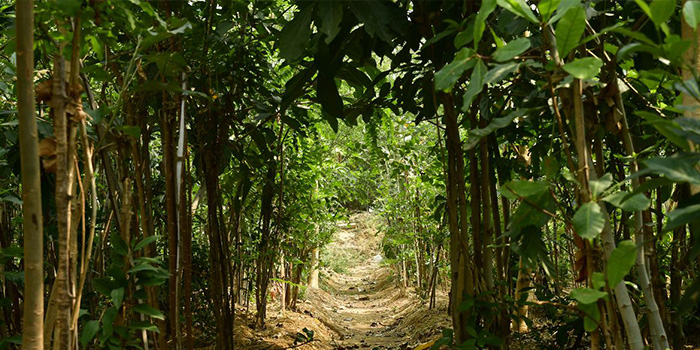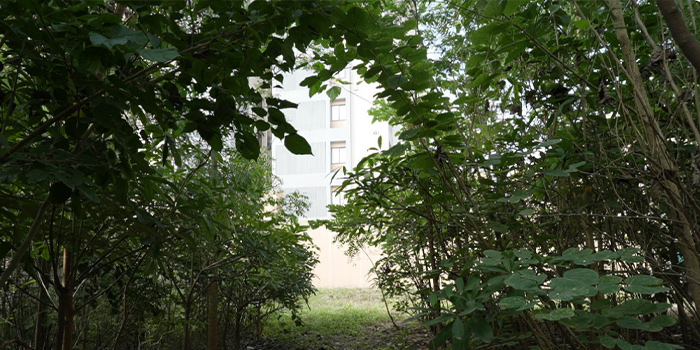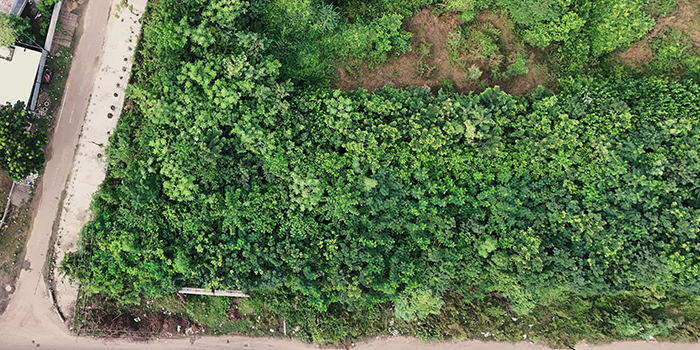
An urban forest is more than a group…
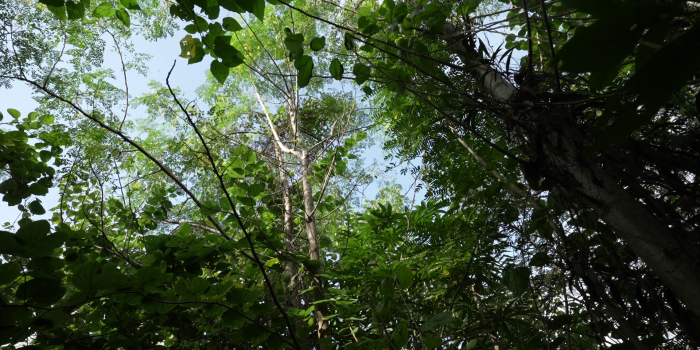
Biodiversity, Tree Density & Fast Growing Trees Guide
In the face of accelerating climate change, deforestation, and habitat loss, the need for rapid and effective ecosystem restoration has never been greater. Among the various afforestation techniques developed across the world, the Miyawaki method forest stands out as one of the most successful and scientifically grounded approaches to restoring native biodiversity in both urban and rural landscapes. The technique is named after Dr. Akira Miyawaki, a renowned Japanese botanist and plant ecologist whose pioneering research transformed the way we think about reforestation and ecological restoration.
The miyawaki method forest approach provides a practical model for creating an urban forest where conventional green spaces are limited. As a form of ecological afforestation, it focuses on restoring native vegetation rather than simply increasing the number of trees.
The Origins of the Method
The shift toward native planting also influenced modern landscape restoration by demonstrating the importance of locally adapted vegetation. This approach can transform an ordinary urban landscape into a diverse ecological space that supports natural regeneration.
The emphasis on native species makes the miyawaki method forest particularly relevant to modern afforestation programs seeking long-term ecological value rather than short-term greenery.
The inception of the Miyawaki forest method can be traced back to the 1970s in Japan. Dr. Akira Miyawaki, then a professor at Yokohama National University, dedicated his career to studying native vegetation—the plant species that naturally thrive in a particular region without human intervention. His research was inspired by the concept of potential natural vegetation (PNV), which refers to the vegetation that would exist in a given area if human disturbance were removed.
Through decades of field studies across Japan and Southeast Asia, Dr. Miyawaki discovered that most of the modern green landscapes—parks, plantations, and roadside greenery—were dominated by exotic or non-native species. These artificial landscapes, though visually appealing, lacked ecological value and failed to support native wildlife or regenerate soil health. To counter this, Miyawaki developed a method to recreate natural forests using only indigenous species, planted in high density to replicate the natural layering and competition found in wild ecosystems.
Scientific Foundation of the Miyawaki Method
Maintaining appropriate tree density is essential to recreating the competitive conditions found in natural forests. The carefully planned tree density also allows different vegetation layers to develop together within a limited area.
In suitable conditions, the inclusion of native fast growing trees can help establish early canopy cover while slower-growing species develop alongside them. This combination allows an urban forest to develop a diverse structure over time.
The Miyawaki technique is based on the ecological principle of natural succession—the process by which plant communities evolve over time, gradually leading to a stable and self-sustaining forest ecosystem. In nature, this process can take hundreds of years. However, by carefully selecting and densely planting native species from all layers of a forest—such as shrubs, sub-trees, canopy trees, and emergent species—Miyawaki was able to compress this natural timeline into just a few decades.
Soil preparation is another cornerstone of the method. The existing soil is often degraded or compacted due to human activities, making it unsuitable for natural growth. In the Miyawaki process, soil is loosened and enriched with organic matter such as compost, biomass, and mulch to promote microbial activity and root aeration. This creates a fertile, living medium that supports rapid plant growth.
This process can be considered an important form of soil restoration, particularly where urban or industrial activities have degraded the original soil. Effective soil restoration improves the foundation needed for healthy root development and long-term forest growth.
The trees are then planted very closely—typically 3 to 5 saplings per square meter—to encourage competition for sunlight and nutrients. This density mimics the conditions of a natural forest, where trees grow faster and stronger as they compete for space. The result is a self-sustaining mini-forest that matures in 20–30 years instead of the typical 200–300 years required for natural regeneration.
Global Recognition and Impact
The ecological value of these forests extends beyond carbon storage because increased biodiversity creates habitats for birds, insects, microorganisms, and other native organisms. A diverse urban forest can therefore become an important ecological refuge within a highly developed landscape.
The use of appropriate fast growing trees alongside other native species can help establish vegetation cover while maintaining the ecological diversity required for a resilient forest.
Over time, the Miyawaki method gained international recognition and has been successfully implemented in more than 40 countries, including India, Malaysia, Thailand, Brazil, and parts of Europe. Governments, corporations, and environmental organizations have adopted this method not only for its ecological benefits but also for its social and climate relevance.
Scientific studies have shown that Miyawaki forests can absorb up to 30 times more carbon dioxide compared to conventional tree plantations. They also support a rich variety of flora and fauna, creating urban biodiversity hotspots that enhance local air quality, reduce heat island effects, and recharge groundwater.
Relevance in Today’s Context
For businesses, developing an urban forest can become a practical component of corporate social responsibility CSR initiatives focused on environmental restoration. Companies can use such projects to create visible sustainability outcomes while engaging employees and local communities.
Verified plantation initiatives may also support a company’s carbon offset strategy where they meet applicable standards and monitoring requirements. A responsible carbon offset approach should complement direct emission reductions rather than replace them.
In today’s sustainability-driven world, the Miyawaki method has become a cornerstone of corporate environmental responsibility and carbon offset programs. Industries and businesses are increasingly partnering with environmental planners to establish these native forests on unused or degraded lands. Beyond carbon sequestration, such initiatives contribute to UN Sustainable Development Goals (SDGs) and align with ESG and BRSR reporting frameworks, making them both ecologically and strategically valuable.
A Legacy of Regeneration
The Miyawaki approach continues to demonstrate how afforestation can be adapted to small plots and challenging urban environments. By combining native species, appropriate tree density, and careful maintenance, a miyawaki method forest can gradually develop into a resilient ecosystem.
For organizations, these projects can support corporate social responsibility CSR goals while creating measurable environmental value. They can also contribute to biodiversity conservation and, where properly verified, broader carbon offset objectives.
Dr. Akira Miyawaki’s vision was simple yet profound — to restore the planet’s ecological balance by letting nature heal itself. His technique bridges science and simplicity, offering a replicable model for communities and corporations alike. Every Miyawaki forest planted is more than just a cluster of trees; it is a living system that regenerates soil, revives biodiversity, and inspires a collective sense of responsibility toward the environment.
The integration of soil restoration, native vegetation, and carefully selected fast growing trees makes the approach suitable for restoring degraded land while improving ecological resilience. Over time, the resulting forest can strengthen local biodiversity and contribute to a healthier urban landscape.
In an age where sustainability is no longer optional, the Miyawaki method stands as a testament to how science, ecology, and human will can come together to recreate forests — and hope — for future generations.
Frequently Asked Questions
1. What makes the Miyawaki method forest different from conventional plantations?
A Miyawaki method forest uses a diverse mix of native species planted at high density to recreate the structure of a natural forest. Unlike conventional plantations that may focus on fewer species, this approach aims to create a layered ecosystem that supports long-term biodiversity.
2. How does soil restoration support Miyawaki forest development?
Soil restoration improves soil structure, organic matter, moisture retention, and microbial activity before plantation. This creates better growing conditions for native plants and helps establish a healthy and resilient forest ecosystem.
3. Why is tree density important in the Miyawaki method?
High tree density allows different layers of vegetation to develop within a limited area. Closely planted native species compete for sunlight and space, encouraging upward growth and helping the forest develop a dense structure.
4. Can fast growing trees be included in a Miyawaki forest?
Yes, suitable fast growing trees can be included alongside other native species when they are appropriate for the local climate and ecosystem. Their early growth can help establish canopy cover while other species develop through different stages of forest growth.
5. How can companies use Miyawaki forests for corporate sustainability?
Companies can incorporate Miyawaki projects into corporate social responsibility CSR programs to create visible environmental and community benefits. These projects can support biodiversity, improve unused or degraded land, and contribute to broader sustainability initiatives.
6. Can a Miyawaki forest contribute to carbon offset goals?
A Miyawaki plantation can contribute to a carbon offset strategy by removing and storing atmospheric carbon as vegetation grows. However, carbon claims and credits depend on applicable standards, project methodology, monitoring, and independent verification.
Related Posts